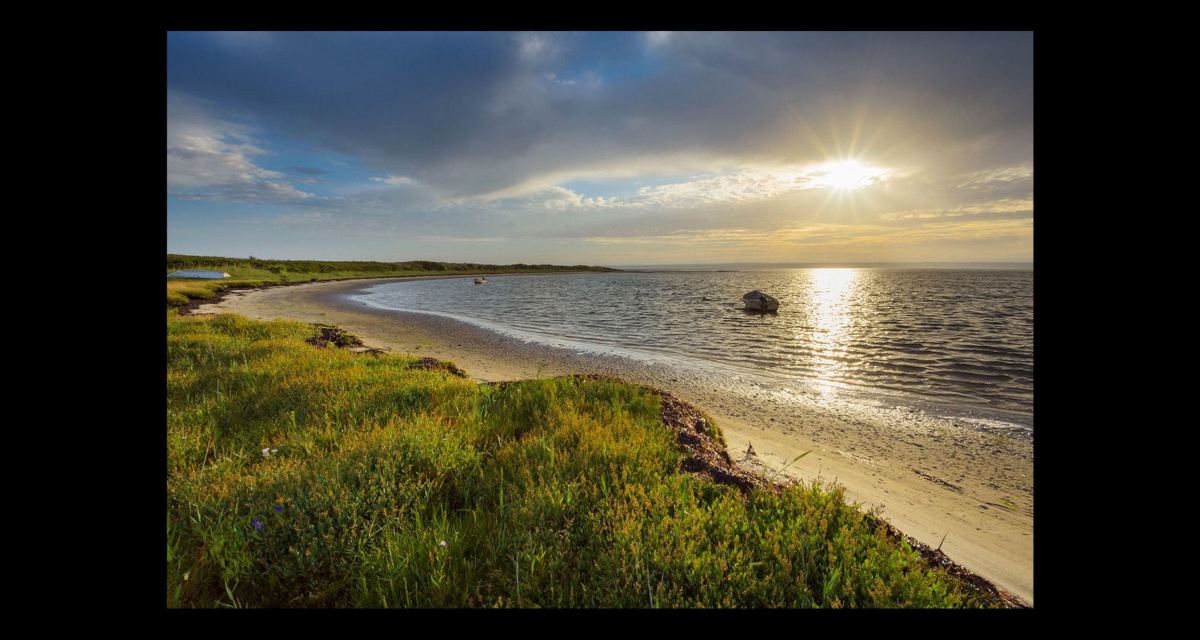

All of these symbols can be found on petroglyphic boulders in the Georgia Gold Belt. Some boulders, such as at Track Rock Gap, the Etowah River in Forsyth County, GA and Chimney Mountain have most of these symbols . . . but this engraved boulder was found near the city of Hadsund in the North Jutland Province of Denmark.
The boulder is called the “Vivebrogaard helleristninger,” in case you are interested. It dates from around 1800 BC to 1200 BC. The people, who carved the rock were not Germanic Scandinavians. They probably were Siberians or Eurasians, who resembled Northern Sea Sami or perhaps, were at least some of the ancestors of the Mayas.
The Maya Migration Legend begins in a cold landscape, often covered with snow, where they were persecuted by “giants.” (Remember the Ice Giants of Norse mythology?) Their ancestors migrated southward along the eastern edge of North America until they reached a tropical land, where it never snowed! The Nykōping Syllabary’s symbols for numbers and celestial bodies are almost identical to those in the early Maya writing system.

The earliest examples of this writing system are found near Nykōping, Sweden and date from around 2,000 BC. The most extensive examples of this writing system are on boulders near Nykōping and on six boulders at Track Rock Gap in the mountains of the State of Georgia, USA. Yes, that is correct. The only places in the world, where this writing system is found are the portion of Scandinavia in this map and Northeast Georgia.

Some of the symbols in this writing system, in particular the cross within a circle, are now part of the cultural traditions of many Native American tribes. The Nykōping symbol for a High King . . . who was supposedly descended from the Sun Deity, became the Creek and Maya symbol for a Great Sun or High King. Likewise the Nykōping symbols for the moon, planets, seasons, eclipses, solstices and equinoxes became the Creek and Maya astronomic symbols.

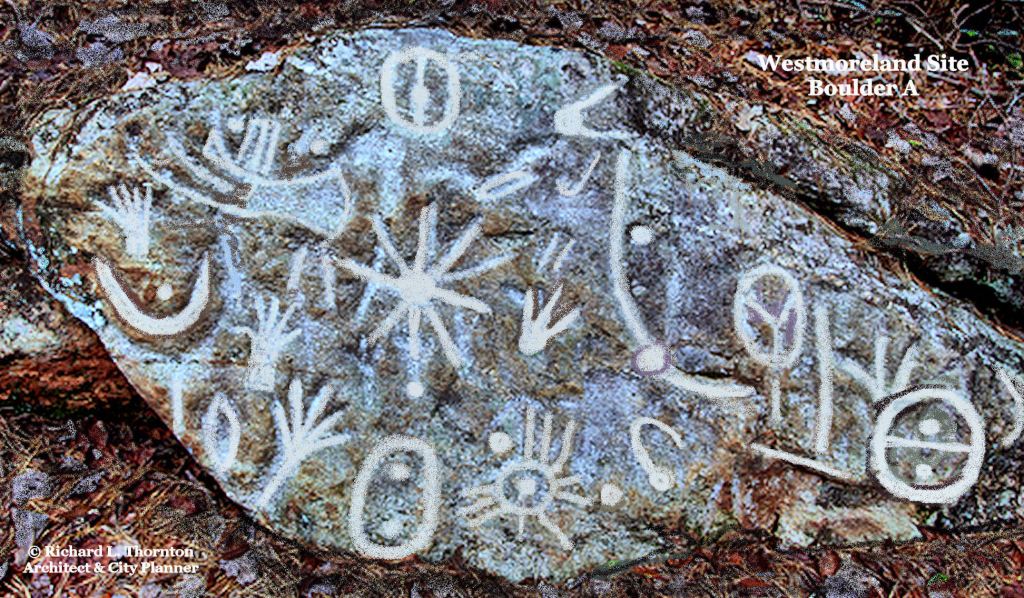
Westmorland Petroglyphs – 7 miles north of my house

11 feet long monolith, found one mile east of my house

Forsyth Boulder on Etowah River in North Metro Atlanta

Detail view of one petroglyphic boulder on Ven Island, Sweden, where the pedestrian village that I designed, is located. Scandinavian historic preservationists typically put white or red enamel on rock carvings to protect them from the elements and make them easier to see.
How I stumbled upon the Hadsund Petroglyphs
Although the beach and cliff on Ven Island, where the petroglyphs are located, were the favorite romantic getaway spot for my girlfriend, Britt, and I, I only took one color slide of one small section of one boulder. I didn’t dream that those rock carvings would have such great significance in the 21st century. Surely, someone else has posted photos of the entire boulders? Whenever I Googled in English and Swedish, Google merely showed me my own color slide. LOL
Day before yesterday, I tried Googling in Danish. I typed in the Danish words for petroglyphs (helleristninger) and Ven Island (Hven). Voila! Google presented me with several articles in Danish and Swedish, which described how much the Hadsund petroglyphs resembled those on Ven, Bornholm and Gotland Islands. None of the articles contained any new photos of the Ven petroglyphs. Two merely showed MY detail photo from Ven.
Well, I will keep on trying. There is obviously much that we still do not know about the past in the Americas. In the meantime, I do have beautiful memories of that time in my life and that very special place in mankind’s history.

 The Americas Revealed
This is so interesting Richard. Now, what would we do without Google. It’s come in useful for me sometimes.
LikeLiked by 1 person