Architecture of the North American Frontier Series
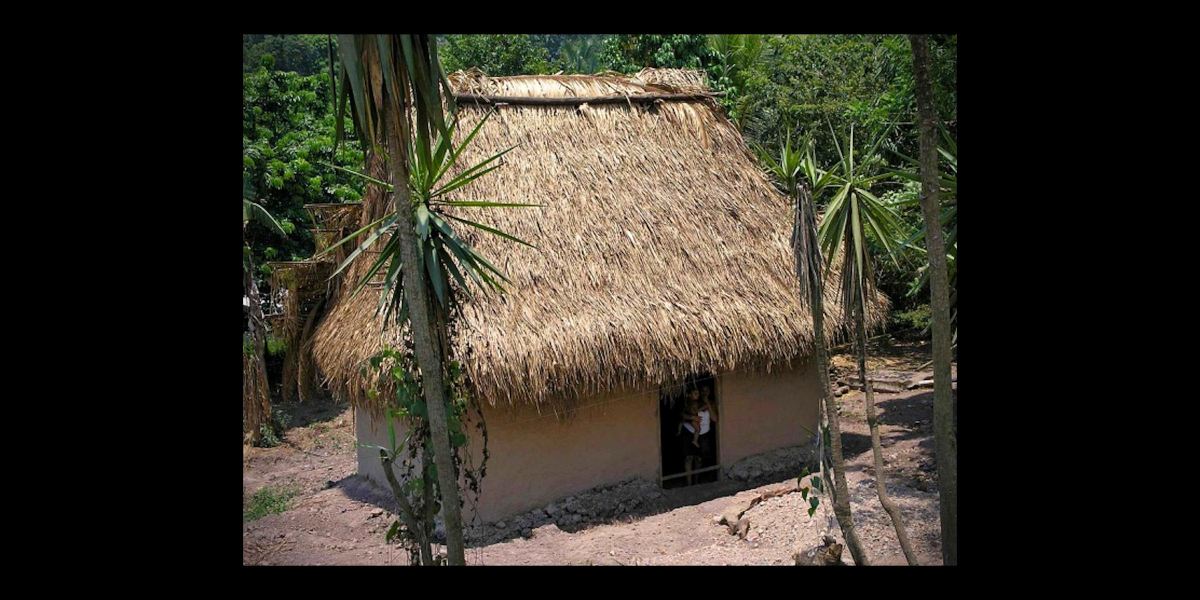
Typical of Veracruz, Tabasco and Chiapas States, they first appeared in the Etowah and Upper Chattahoochee River basins of Georgia around 800 AD. The architectural style then spread to other parts of the Lower Southeastern United States. They are called “Woodstock Culture” houses by archaeologists. Proto-Creek and Creek houses had rectangular floor plans, unlike the oval Chickasaw houses and square Soque houses. By the 1760s, Creeks living in temperate climate locales, were building log cabins or even frame lumber houses.
by Richard L. Thornton, Architect & City Planner
These accompany the previous article on the Campeche Maya houses. Sorry, I could not remember where I had filed these images 54 years ago, until this afternoon. Guess I can’t run for President now.

These are Totonac vertical post houses with corner doors from Veracruz. They have also been found in the suburbs of Chichen Itza in NW Yucatan State, at Etowah Mounds, Georgia and at Upper Creek town sites in the Tennessee River Valley .

INAH model of a Tamulte Maya summer house in Tabasco. The walls are constructed with large river canes. Identical summer houses have been found at town sites in Georgia and Alabama, plus Seminole village sites in Florida.

House with river cane walls from SW Veracruz, where the Upper Creeks originated.

Old Totonac house near Pozo Rico, Veracruz and enormous El Tajin ruins.

House in Coastal Plain of southeastern Veracruz
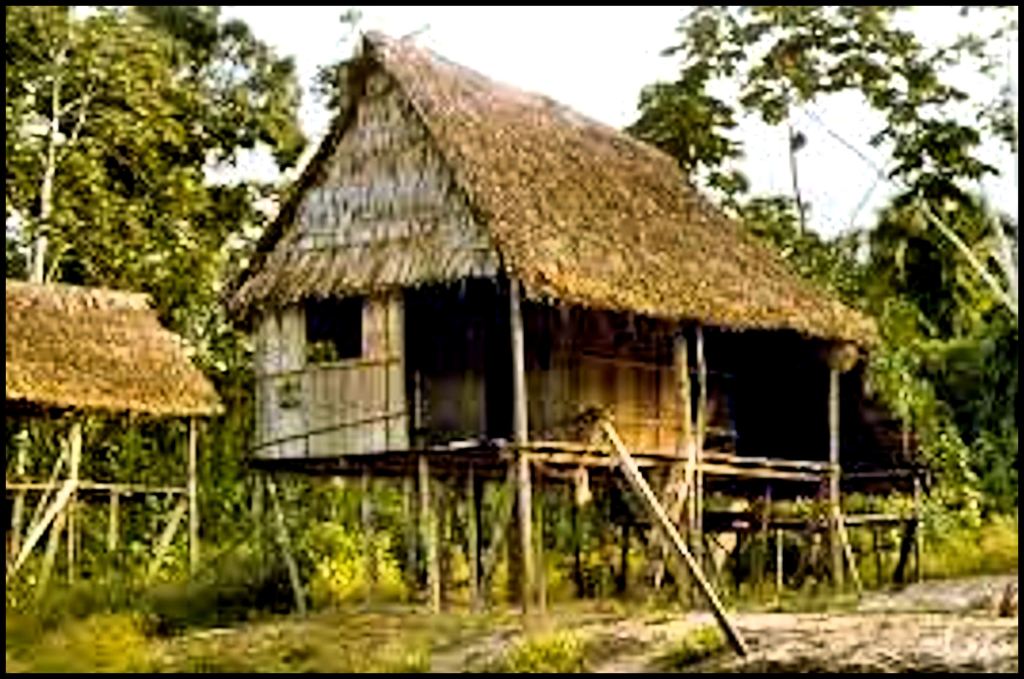
Chontal Maya house in the marshes near the Gulf of Mexico in Tabasco. Identical houses were built by the Creeks, when they entered Florida in the 1700s then were “rebranded” as Seminoles.
 The Americas Revealed