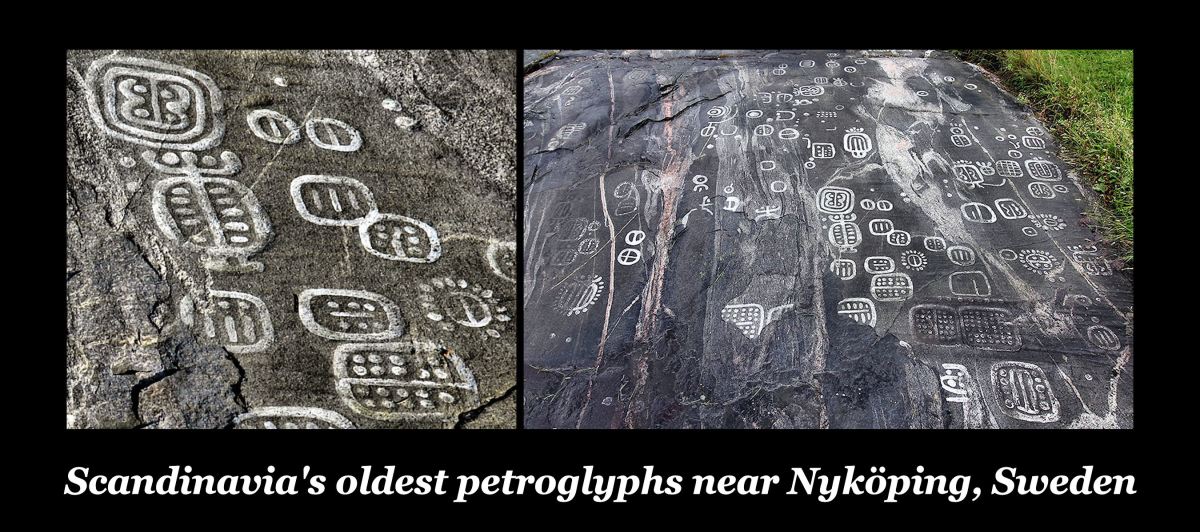
The Maya Migration Legend suggests that the founders of the Maya Civilization first lived in Scandinavia, then temporarily settled in the present-day Southeastern United States then permanently settled in Mesoamerica.
The Nyköping and Maya number glyphs were identical. They included the symbol for “zero.” Only the Mayas and Creeks had a concept for the number zero. Yet, the Proto-Creek Indians of Georgia are believed to have been the only culture in the Americas that had a 10-based numbering system. The Creek calendar was very different than the Maya calendar, but very similar to the Gregorian calendar, used over much of the world today.
The Peopling of the Southeastern United States Series
by Richard L. Thornton, Architect & City Planner
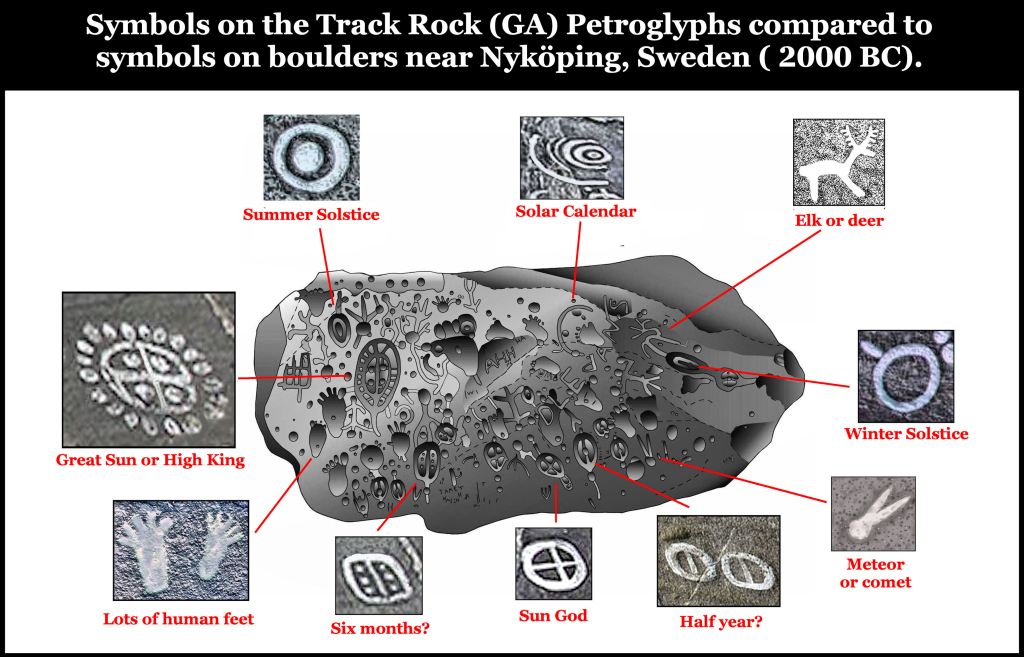
When the petroglyphs were carved in Släbro, most of Scandinavia was still a Neolithic Culture (agricultural stone age). Its occupants were Eurasians, who looked like mixed-blood Muskogeans. Copper deposits would not be discovered in northern Sweden until the late Medieval Period. However, in 2000 BC amber was already being traded to Bronze Age cultures in present-day Austria, southern Germany and eastern France. Thus, the Nordic Peoples at this time had some copper ornaments, but most of their tools were made from stone, wood, bone or walrus tusks.
Deja vu
Life is indeed a box of chocolates. In early August 1972, my boss, Stadsarkitekt Gunnar Lydh, received a confidential memo from the Mayor of Landskrona, Sweden, which instructed him to give me a three week paid leave, beginning in a few days. My work visa had been extended to the end of September in order for me to finish my project on Ven Island.
The next day, my official Swedish girlfriend, Britt Manson, handed me an envelope. It informed me that I would be first traveling to Stockholm for a three day stay then spend about two weeks above the Arctic Circle. The envelope included a voucher to purchase winter clothing and shoes, plus a photo ID credential from the Svenska Turistföreningen (STF). It stated that I was permanent resident of Sweden. I was to use this ID instead of a US Passport for crossing into Finland and Norway.
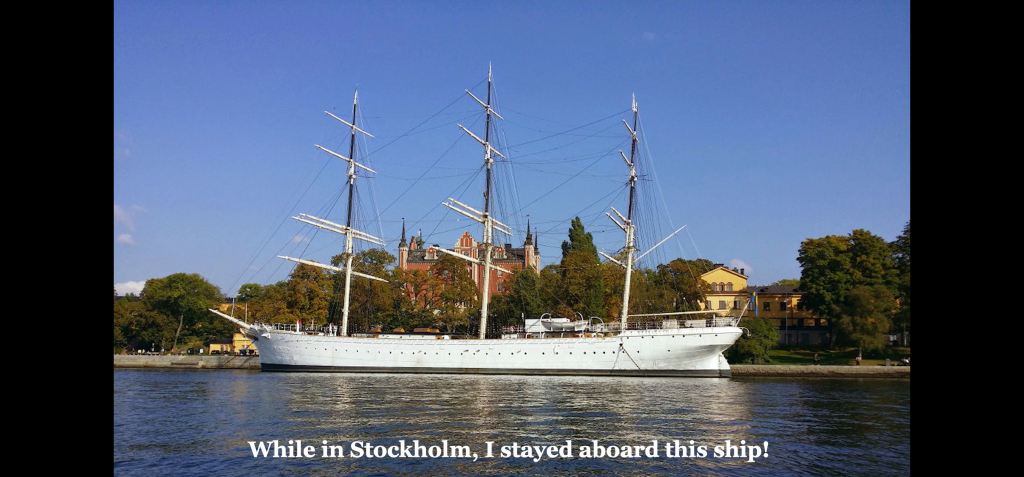
Reservations had been made for me to stay on the HSwMS af Chapman, a sailing ship moored in central Stockholm. Birgette Gråbøl would also be staying on the ship. She would introduce herself and would appear to be my new girlfriend. She would explain to me what I was to do in Lapland.
Birgette turned out to be an anthropology student at Uppsala University and the daughter of a senior officer in the Royal Danish Navy. The first day, she showed me Gamla Stad, the original Medieval heart of Stockholm, but she carefully avoided “talking shop.” The next day, we “talked shop” in her SAAB sportscar as we drove about 100 km (62 miles) southward to the ancient port of Nyköping. It is pronounced like “New Shopping” and pretty much means that.
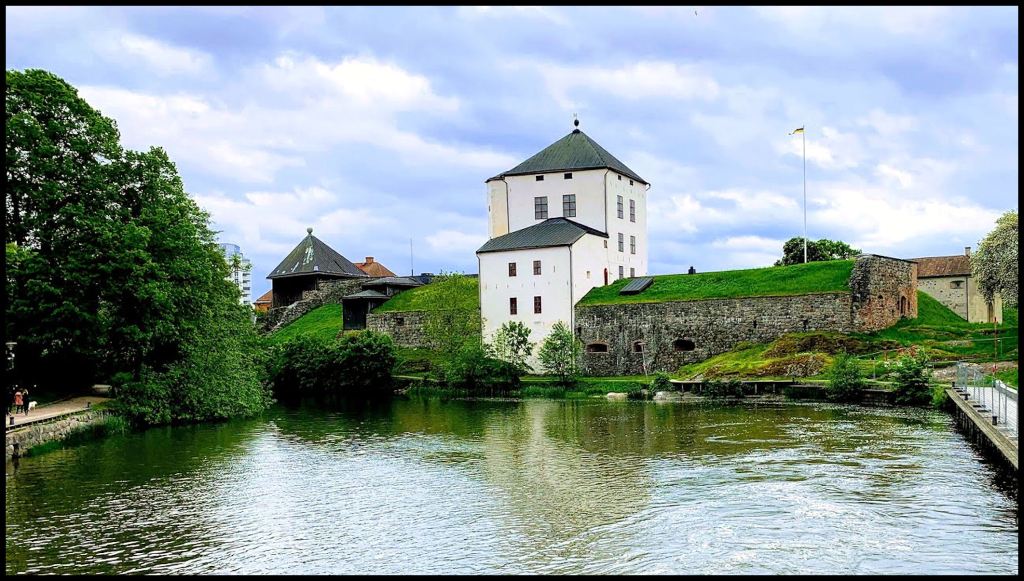
The Early Medieval castle in Nyköping began as timber palisaded Viking Era fort.
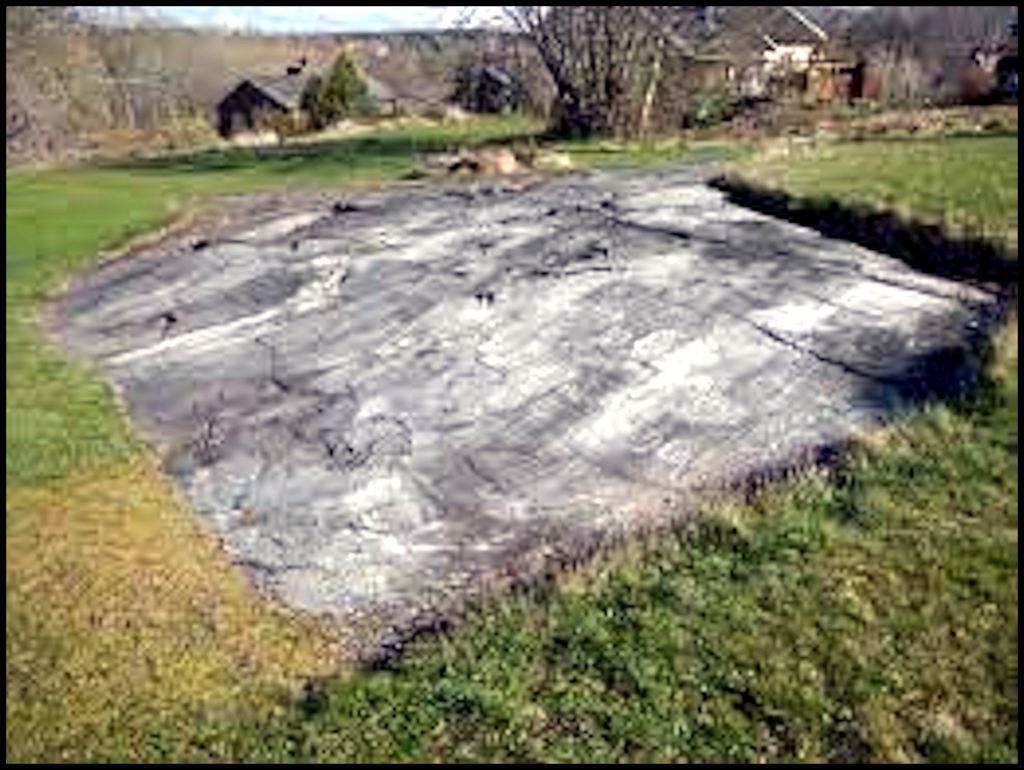
Swedish archaeologists must carve away sections of sod to reach the bedrock, where ancient peoples carved a unique writing system. Many more petroglyphs have been exposed around Släbro than what Birgette and I viewed over five decades ago.
While we were staying in Nyköping, Birgette drove me to Släbro. This was two years after the fellowship in Mexico, so I vaguely remember my immediate impression that the petroglyphs looked like early Maya writing, but such a silly thought seemed so implausible back then. I was more interested in the Viking and Medieval Era structures in central Nyköping. I took a couple of color slides with my camera, but forgot about them, until a few years ago.
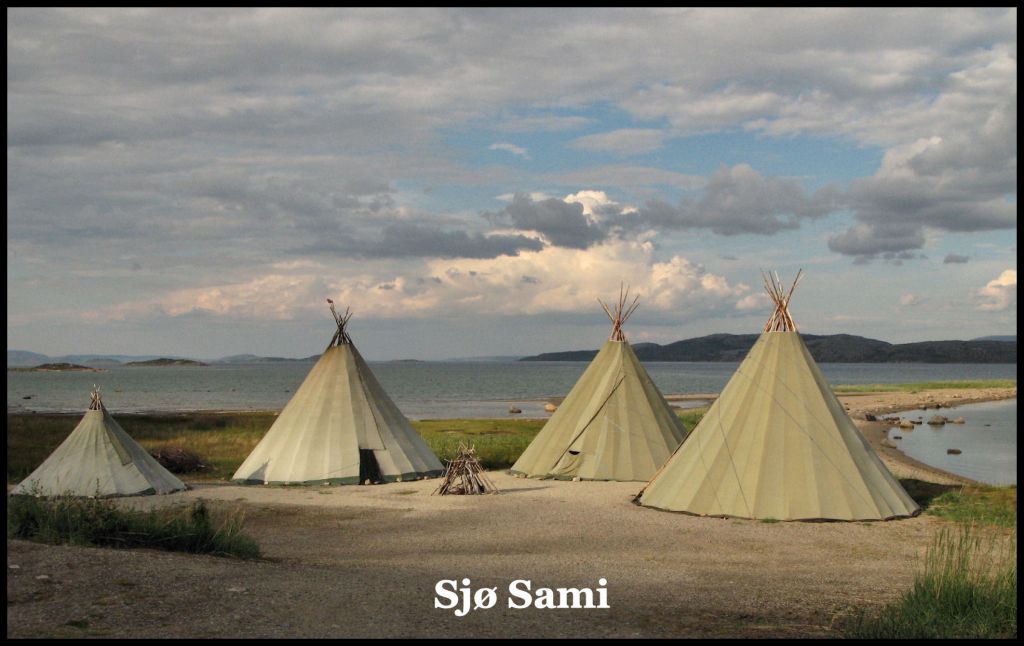
Maya Migration Legend
With the power of modern business computers and the internet, we can access much information that was generally not known by researchers, professors and students. I discovered the Maya Migration Legend in Spanish language text online about a decade ago.
This is another “killer” for the “Bering Land Bridge Only” followers. The Maya tribes remembered that their ancestors had once lived in a frigid land, where snow covered the ground much of the year. They were persecuted by cruel, red-haired giants. (Remember the Scandinavian legends about the Ice Giants?)
Their ancestors began paddling or walking westward until they reached the North Atlantic Coat of North America. They then migrated southward along the eastern edge of North America until they reached a land, where it never snowed. Pottery and mound-building did not arrive in southern Mexico until around 1000-900 BC . . . so there was plenty of time to migrate from east-central Sweden to southern Mexico.
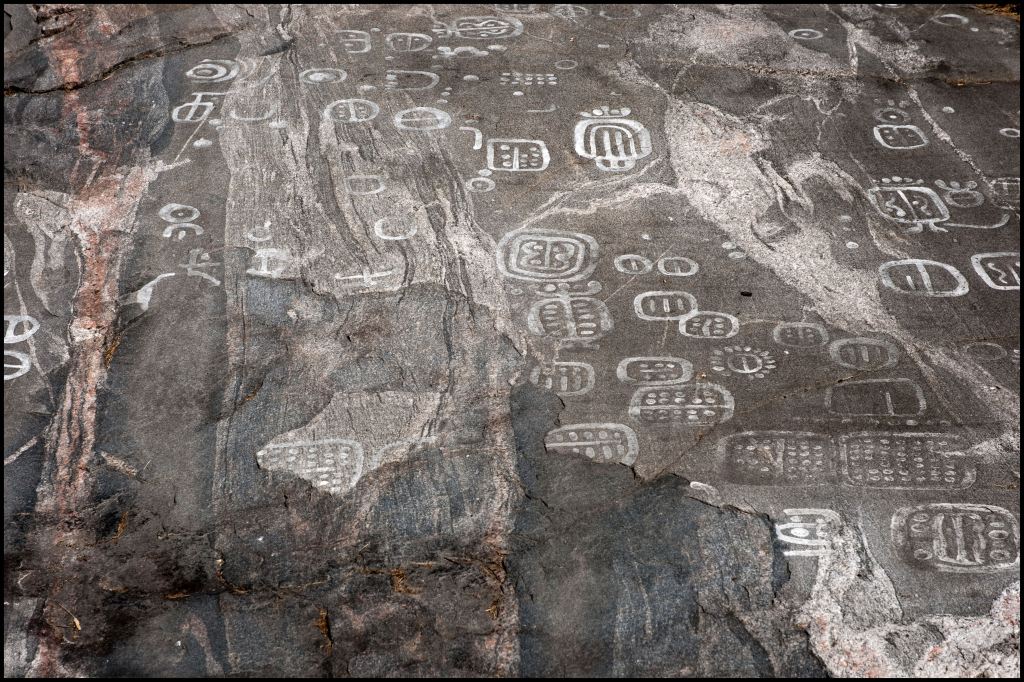
Appearance of Maya writing system
The earliest known examples of Maya writing are a column of 10 hieroglyphs painted on a stone block in a pyramid complex in San Bartolo, Guatemala. Radiocarbon dating indicates the writing is likely from between 300 and 200 B.C. So, 1700 years transpired between the first appearance of Maya style symbols and numbers in east-central Sweden and a full-fledges writing system that included many more complex glyphs in Guatemala. What seemed implausible in Släbro, Sweden during August 1972, now seems much more possible.
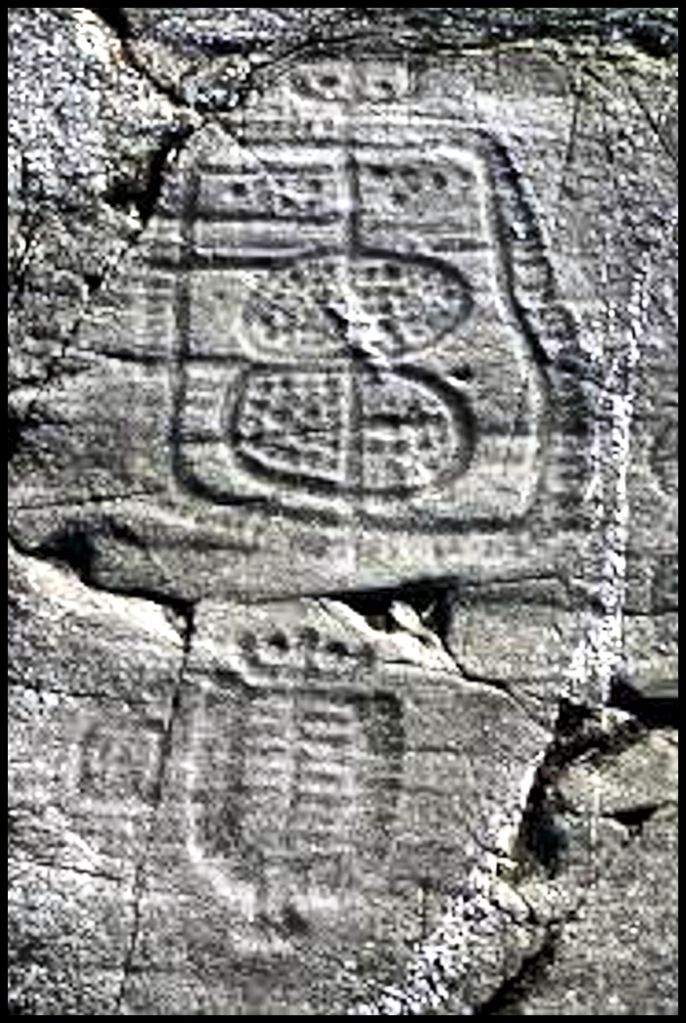
Computer-generated magnification of some complex symbols at Släbro
 The Americas Revealed
my friend, can you send me a link to the Spanish source for the north to south migration for the Mayan origin?
LikeLiked by 1 person
I will try to find it again, but not tonight. Both me and my former computer were fried by two direct hits of ground lightning five years ago. It melted my computer and my backup storage drive – plus turned my legs purple. LOL
LikeLike
please tell me if any of this looks familiar
https://archive.org/details/geografiadelasle00oroz
LikeLiked by 1 person
https://archive.org/details/ai-48/page/n43/mode/2up
LikeLiked by 1 person
https://archive.org/search?query=origen+de+los+mayas
LikeLiked by 1 person