The Pre-Columbian history of the South Atlantic Coast is being turned upside down by a stack of dictionaries and fond memories!
Also . . . the Oconee Creeks were NOT Creeks. Yes, they became members of the Creek Confederacy, but ethnically they were TAINOs from either Dominica or Puerto Rico!
The Toa on the lower Ocmulgee River of Georgia and the Tanasa on Hiwassee Island, Tennessee were also Tainos. Both provinces were visited by Hernando de Soto.
The Many Peoples of the South Atlantic Coast series
Richard L. Thornton, Architect & City Planner
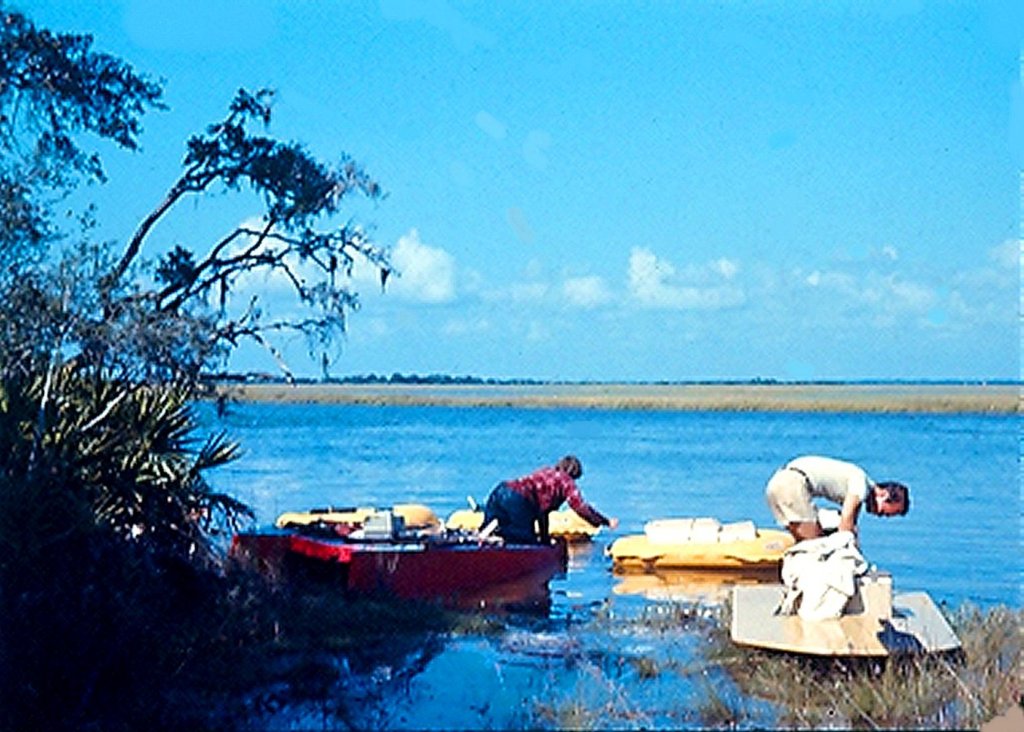
August 1971 – We have just arrived on the edge of our camp site on the southern tip of Cumberland Island. My Georgia Tech fraternity brothers, Woody Thompson (L) and Craig Duval (R), are pulling in the “Coca Cola” inflatable rafts, which contain our provisions for two weeks on the island. Little did we know that I would discover in 2025 that our campsite was on the location of an Aztec village that specialized in brewing corn beer! Exactly a year earlier on that day, I had been exploring the Tierra Incognita of Eastern Campeche with Anna Rojas.
Life is stranger then fiction – Parte Seven
Hey Y’all . . . This morning I am thinking about the beautiful spring weekend in 2013 that I spent with James and Susan Loewen (Lies My Teacher Taught Me). Jim had first heard about my discovery of a half square mile of stone ruins in the Georgia Mountains from our mutual friend, Roger Kennedy (Director – National Museum of American History/national Park Service). In the winter of 2013, he watched a re-run of the premier of America Unearthed then struck up a email friendship, before deciding that I had potential to discover much more.

Jim Loewen in 2018
Jim and Susan took an Amtrak train to Downtown Atlanta then rented a car to drive up to Dahlonega, GA where I then lived. Jim said that he liked my writing style. Perhaps because I was an architect, not an academician, I had the ability like Charles Mann (1491: New Revelations of the Americas Before Columbus) to describe complex anthropological concepts in a way that laymen could understand them. However, Mann is a journalist and therefore was accustomed to quoting experts in order to validate his theories.
Jim then told me, “You’re a Georgia Tech man. I can tell that you have the education to do your own research, rather than quoting others. Your best articles in the National Examiner are when you did the research.” Jim would continue to mentor me and correct any bad grammar for the next seven years . . . until he was incapacitated by a fatal bout with urinary cancer.
It was Jim Loewen, who encouraged me to create a website in which I could present my research to the world, without the restraints of writing for the Examiner. However, the Atlantic Coast Study is the first time that my own research has so completely conflicted with orthodoxy.
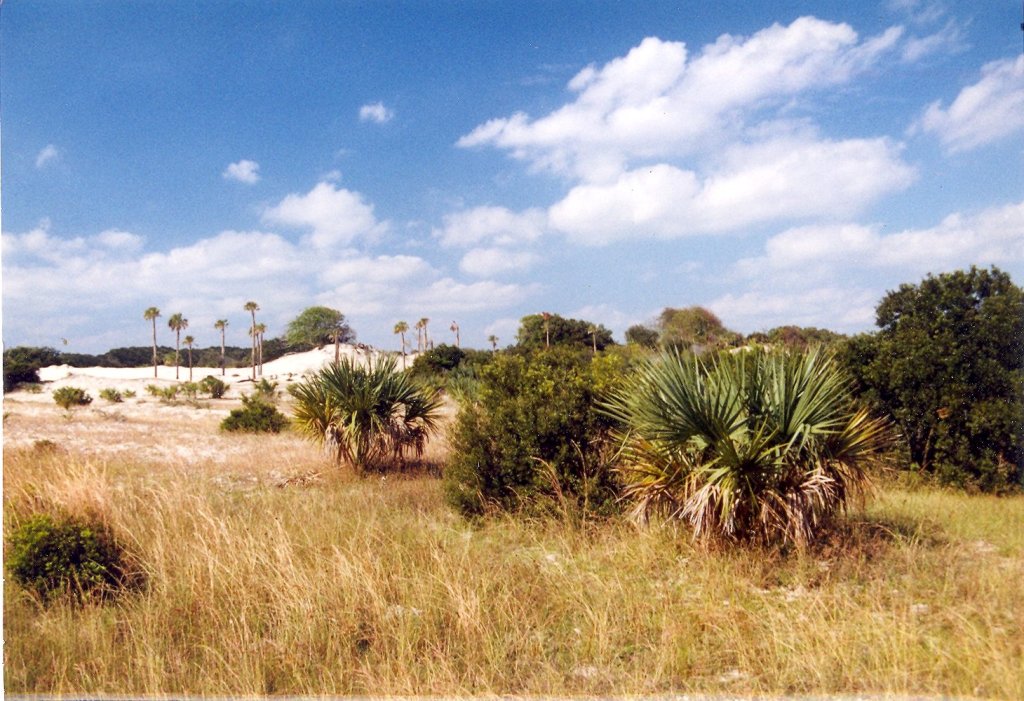
Cumberland Island
Long, long ago in a land faraway known as Atlanta, I was one of Gov. Jimmy Carter’s first college interns. In early August 1971, I was asked to be a gofer for a meeting of the state employees, who were “packaging” the transfer of Cumberland Island to the National Park Service. Jimmy was soon horrified to learn that because the southern tip of the island could not be accessed by a Jeep. I volunteered to go by boat. Jimmy said that we would talk about it the next day.
I started to tell him about my experiences the previous summer in Mexico and Guatemala. He smiled, stopped me and said, “Why do you think you are here? Naval Intelligence wanted you to get some experience inside government agencies.” * Ten months later, I would be employed by the Landskrona, Sweden City Architect’s Office, but covertly cooperating with Swedish & Danish Royal Naval Intelligence.
He wanted me to take along a couple of buddies along for safety. I had two friends in Army ROTC, who he approved. He then gave a serious Theeexpression and said, “Richard, you must understand that you are going there on my recommendation and are representing me . . . no drugs, no alcohol, no destruction of vegetation, no entering of privately owned houses. Few people know about it, but a submarine base is going in across the channel from where you will be surveying.“
I asked him if we could bring along some gals. He paused, then smiled and said, ”Actually, that’s better. Times have changed. If you are with girlfriends, no one will think that you are there to steal things from the houses.”
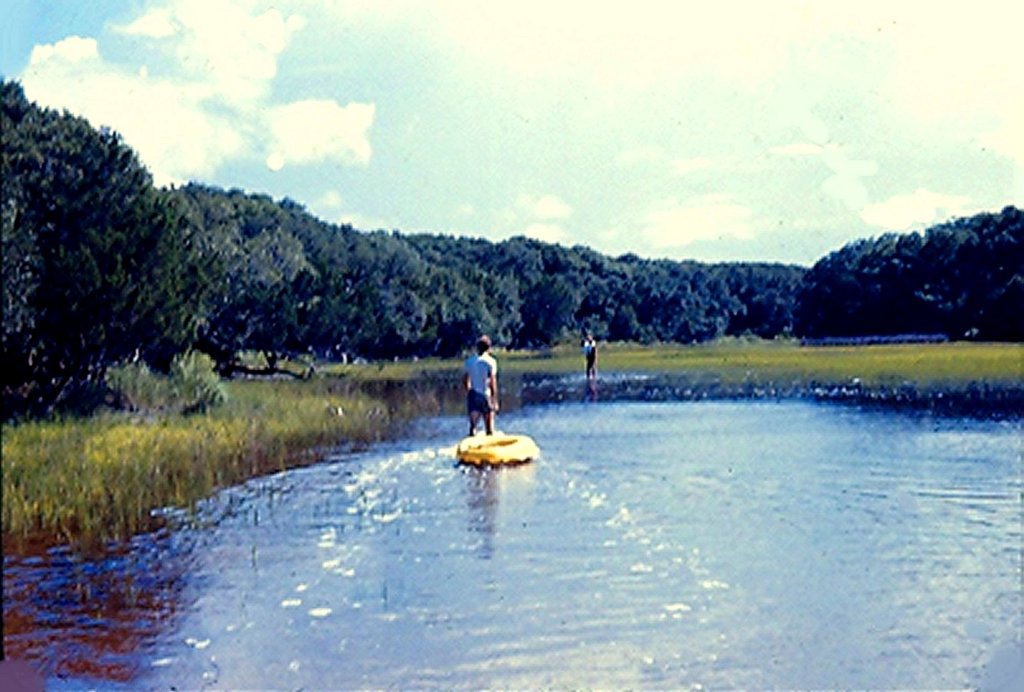
Hauling one of our Coca-Cola rafts that we earlier used in the Rambling Raft Race on the Chattahoochee River to go spear fish in a tidal pool at low tide.
The short story is that the highest tide of the year flooded out campsite during the first night . . . shorting out our marine radio (no cell phones back then) and sending some of our food coolers out to sea. Without a radio, we did not know that a hurricane had changed direction. The three Emory University nursing students from Darien, GA didn’t come to the island on Daddy’s cabin cruiser, because of the hurricane, but couldn’t reach us by marine radio.
On the third day, Woody wanted to take the sailboat, out while Craig and I fished for dinner. Then black clouds came over. High winds wrecked the sailboat several miles from camp.
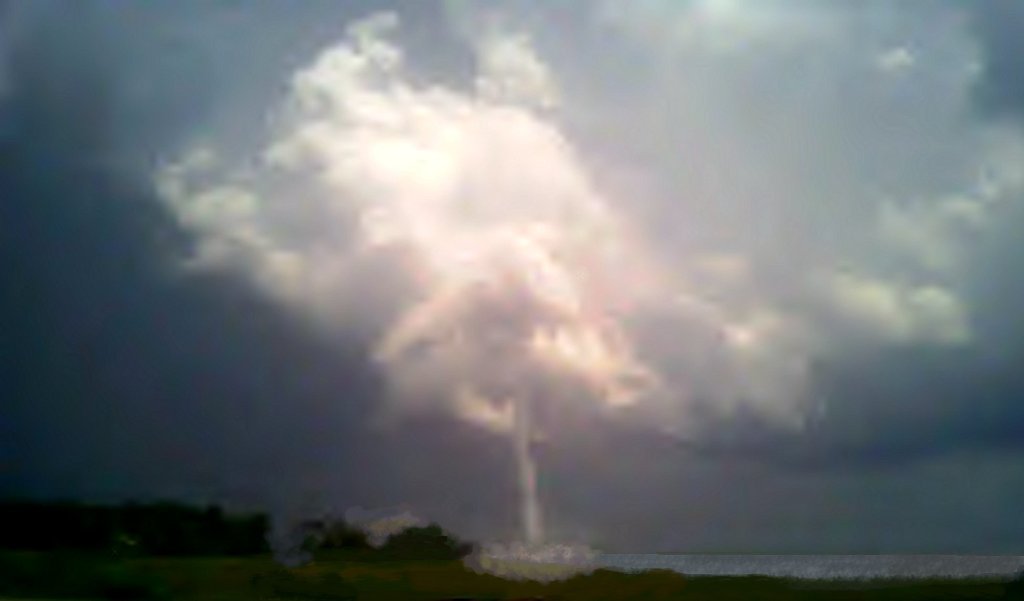
I had little time after saying “Oh expletively deleted” before the waterspout. struck
That night a hurricane spawned a waterspout that wrecked our camping equipment and made Craig and I unconscious for several hours. I woke up early the next morning, wrapped up like a cocoon by my tent . . . about 150 feet from the camp site.
We thought Woody was dead, but he showed up five days later. We had to live off the land and sea for about eight more days until a shrimp boat rescued us.
In the mean time we found two Native American village sites – one of them was where we camped the other was on the west side of Dungeness. The Indian pottery was weird. The potsherds looked sand held together by Elmer’s Glue.
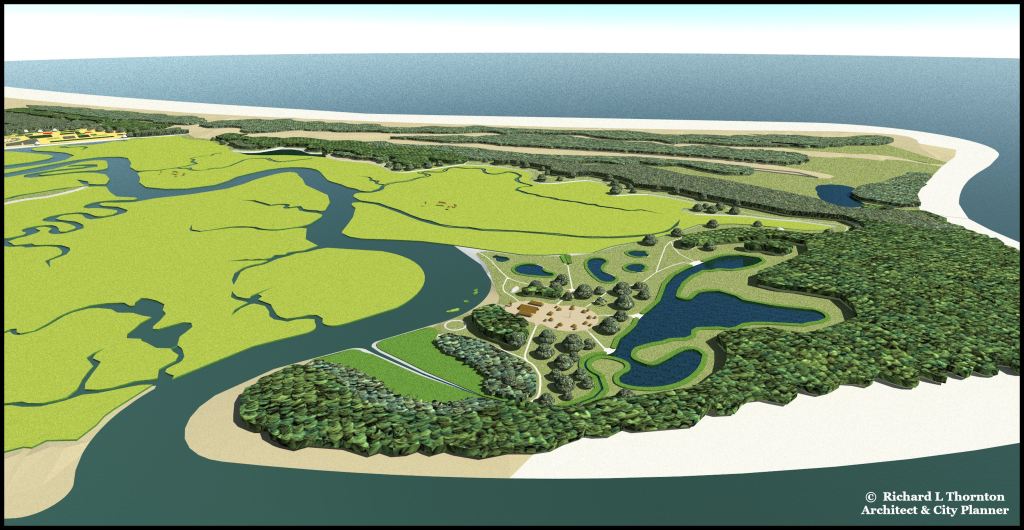
Atoliteca village on the southern tip of Cumberland Island
The Aztec thing is a no brainer
Readers may recall that in December, I determined that St. Marys, GA was PROBABLY a large Aztec town. The problem was that it had a long Late Medieval French name that I used AI to convert to Modern French, which seemed be an Aztec name, which meant “Earthen pyramid surrounded by marshes.”
This one is very straightforward. I found online an old Spanish report on the mission system in present-day Georgia and Florida There were two missions, one on the southern tip of the island and another near Kings Bay U.S. Submarine Base, which were named San Pedro/San Filipe de Atuluteca . . . that’s Atoliteka in Mexica (Aztec). It means “Corn Beer – Tribe or People.”
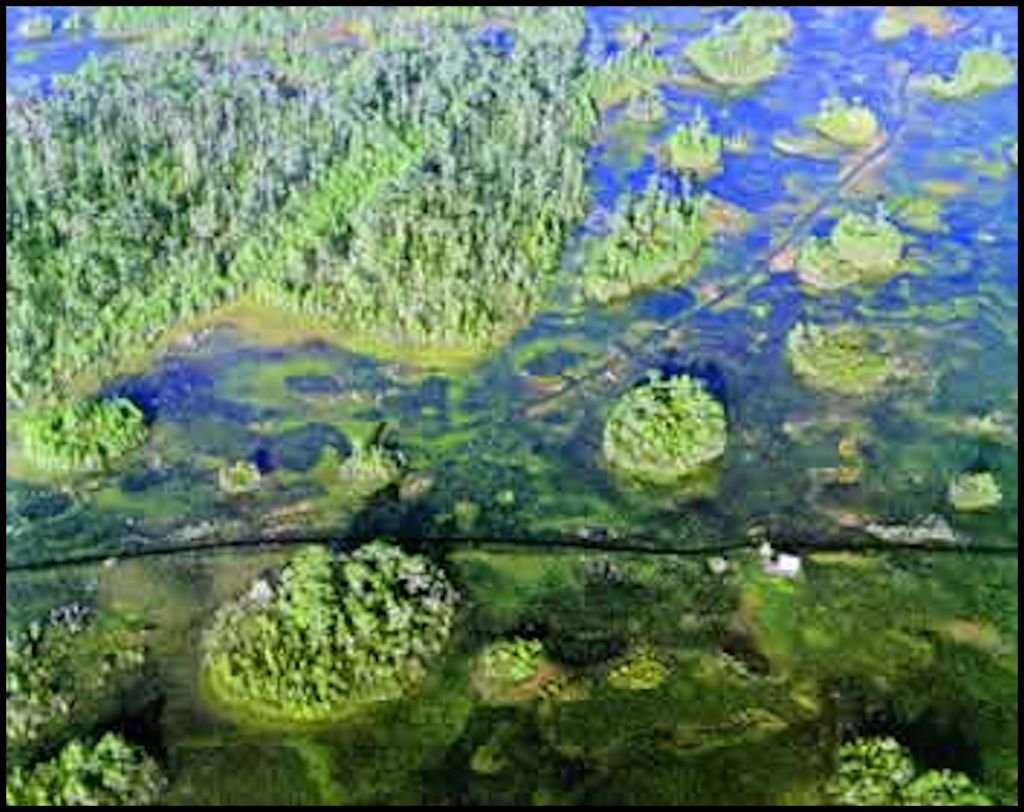
The Okefenokee Swamp’s floating islands
In the 1500s and early 1600s, the Okefenokee Swamp was a large lake with a single island on it . . . containing a temple complex to the Sun Goddess Amana. There were additional “floating islands” on the Okefenokee, when it was first visited by British traders in the early 1700s.
Were the floating islands in the Okefenokee Swamp originally “floating gardens” or chinampas, built by Aztec immigrants?
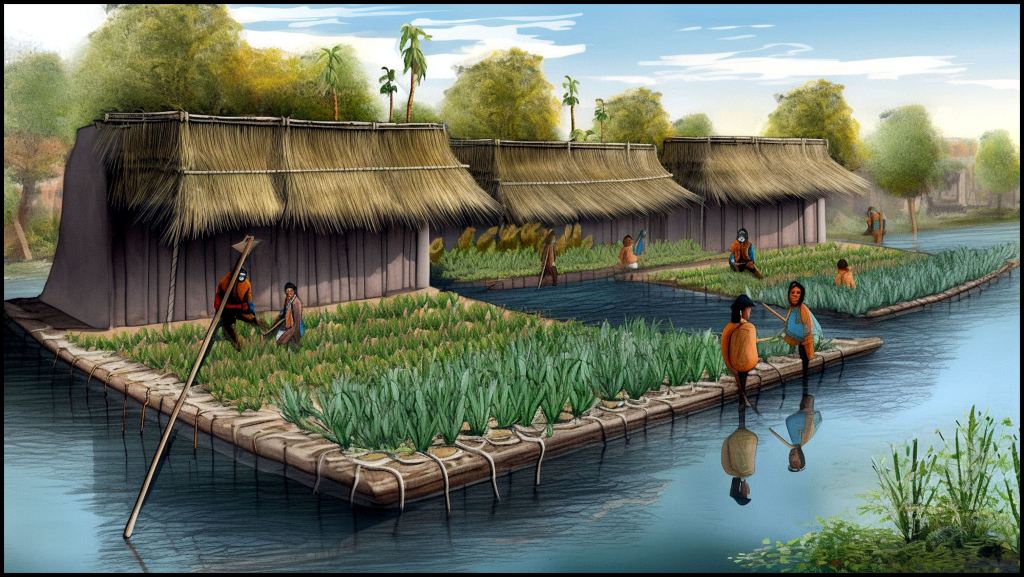
Now you know!
 The Americas Revealed
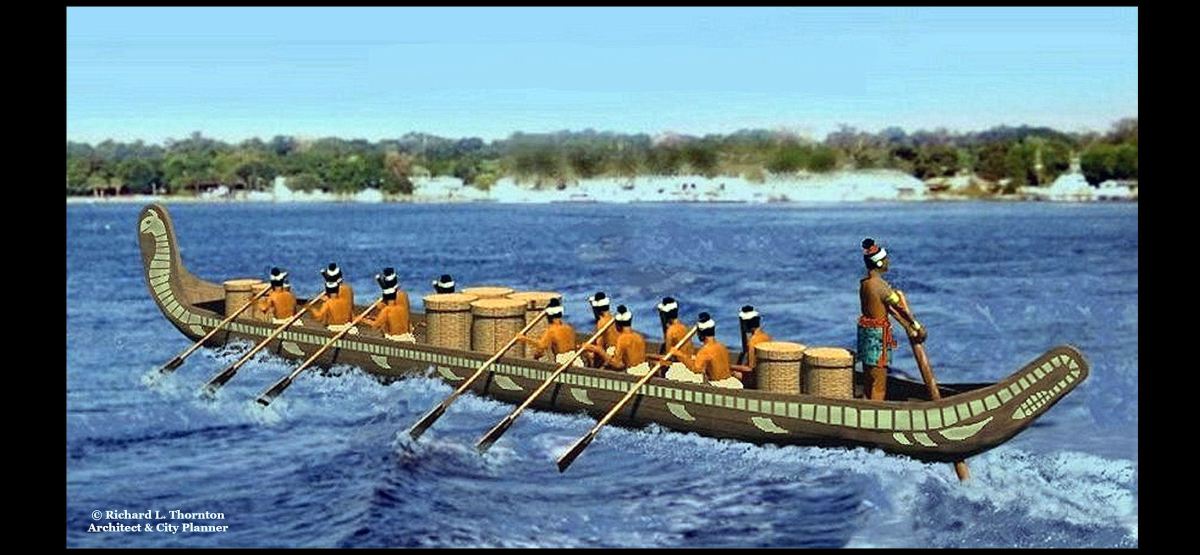
The virtual reality image at the top of the article was created by inserting an image of a Mesoamerican canoe into a photo of St. Marys Sound that I took in August 1971, while on the deck of the sailboat headed to Cumberland Island!
LikeLiked by 1 person