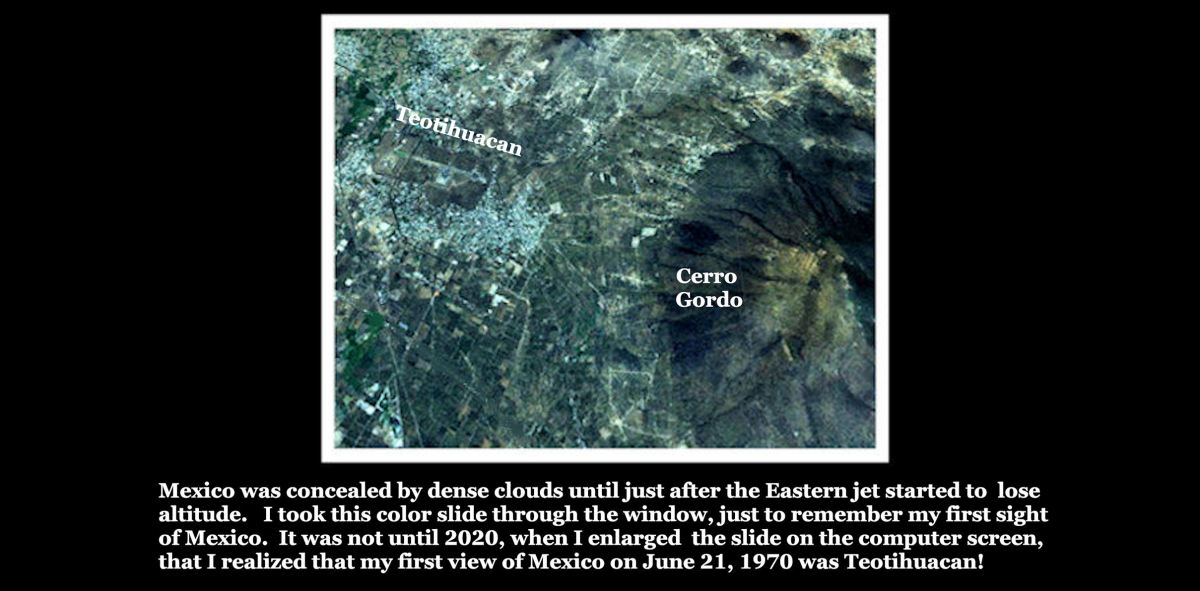
While some aspects of life, like the appearances of homes, commercial buildings and expressways, have changed very little in the past five decades, many other aspects of life have changed radically in the United States and Mexico.
I kept a record of major expenditures in my daily journal, because I assumed that Georgia Tech would audit the fellowship, when I returned to classes in the fall. That didn’t happen, but they provide an interesting comparison between international travel then and now. Actually, the Architecture Faculty was absolutely dumbfounded that I had studied 117 archaeological zones in three months time.
by Richard L Thornton, Architect & City Planner
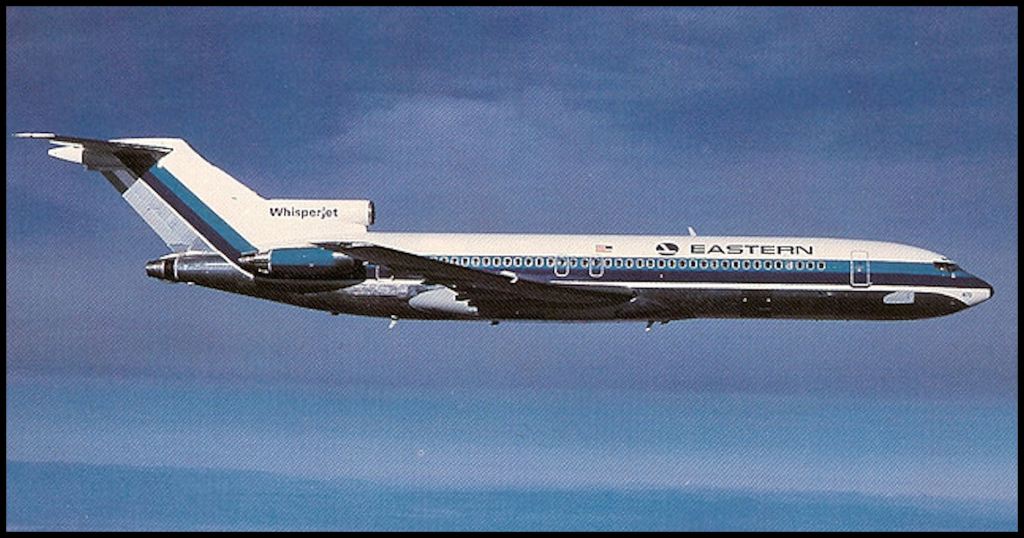
I was on one for the first direct international flights from the Atlanta Airport. It was the first time that I had ever been west of Birmingham, AL or south of Tampa, FL. As a result, the city changed the name to Atlanta International Airport that month, In 1970, Eastern Airlines was one of the largest airlines in the United States and was headquartered in Atlanta. It went bankrupt in 1991. Meanwhile, Atlanta has become the busiest airport in the world.
Air travel in the early 1970s
In the early 1970s, air travel was a luxury reserved for the affluent, with domestic round-trip tickets, such as from New York to Los Angeles, costing upwards of $550—equivalent to approximately $4,600 today. International flights were even more expensive. For instance, a one-way ticket from New York to London often exceeded $300, translating to over $2,505 in today’s dollars.
My original travel plan was prepared by a travel agent on contract with Georgia Tech, there were at that time no direct international flights out of Atlanta to Mexico. The travel agent’s itinerary involved flying to New Orleans then to Mexico City then to Merida, Yucatan then to Miami then to Atlanta. The total cost of the tickets would have been over $675 (equaling $5,636 today!) That would have left me with less than $325 ($1970) for all costs of traveling in Mexico.
Georgia Tech’s Travel Plan
As mentioned in the previous article, I was the first recipient of the Barrett Fellowship at Georgia Tech. My architecture professors were concerned about the $1000 fellowship being applied to actual traveling and educational expenses. They didn’t want me to go through the funds then show up in September without significant educational experiences.
Therefore, the professors relied on a travel agency who booked flights and hotels for Tech professors and administrators to essentially create my syllabus. Even in 1970, there was very little one could do with $325, when one was required to be part of package tours, intended for recreational tourists. The rest of my fellowship in this plan was handled by Gray Line Tours. Much of the balance went to pay US prices for hotel room and meals. I would have to bring significantly more money than the fellowship to pay for meals and anything else. Of course, the travel agency would have gotten a commission on everything.
In reality, the Typical Gringo Turisto Syllabus would have provided brief, superficial exposure to four archeological zones . . . an educational experience not particularly more substantive than just buying a book on the subject. Not counting the two days to get their and back . I would have spent about a week in Mexico. I actually spent 12 weeks in Mexico, visited over 117 archaeological zones and have returned four times since then.
- Four hours at the Museo Nacional de Antropoligia [I spent five full days, plus visited Dr. Piña Chan’s office there six more times for “talking lunches.” An the end of the summer Dr. Piña Chan and his archaeologist wife, Beatriz, invited me and his favorite female graduate assistant, to a lavish dinner and several hours of wine-sipping at a posh restaurant overlooking he Paseo de la Reforma.]
- Four hours at Teotihuacan plus lunch at a restaurant in San Juan de Teotihuacan. [I spent five long days in and around Teotihuacan that included climbing he mountain above the ancient city.]
- One hour at the Cholola Pyramid then a walking tour of the colonial heart of the city of Puebla The Cholula Pyramid is larger than all but one of the Egyptian pyramids. [Alicia and I spent about four hours at the Cholula Pyramid then in the afternoon visited three Pre-Columbian town sites that pre-dated Teotihuacan.
- A day trip from Merida, Yucatan to Chichen Itza and Uxmal that allowed two hours at each city. {
Flight from Mexico City to Merida, Yucatan – To save time, I ended up flying from Mexico to Merida via AeroMexico. The flight distance from Mexico City to Merida is 1,009 kilometers or 627 miles The train distance was about 1400 km ( 870 miles), Because there were no direct trains between the two cities at that time, the train trip took about two days. However, AeroMexico charged me about $78 less for the ticket than it would have cost me by making reservations through the travel agency in Atlanta.
Finances
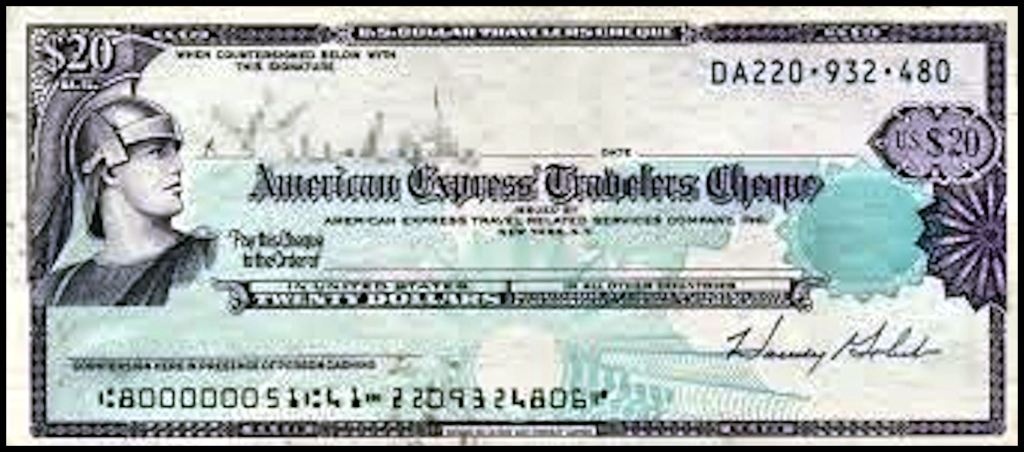
Only 16% of U.S. families held a bank credit cards in 1970. Those cards could only be used in the nation, where they were issued. Unless one’s family were quite wealthy, a college student would not be eligible for a credit card anyway. In that era, Western Union had not begun to offer services for international transfer of funds. Wiring of money to a stranded tourist in another country was a very complex, timely procedure, involving direct communications between two banks.
Thus, I had to carry with me all of the money that I needed to live and travel for three months. Most of those funds were carried in a flesh-colored, waterproof plastic envelope, suspended by a neck chain, that wore under my shirt. Only the airlines and major hotels would accept direct payments with travelers checks. Periodically, I had to cash them in Mexican banks, where I was charged hefty fees for converting them into pesos.
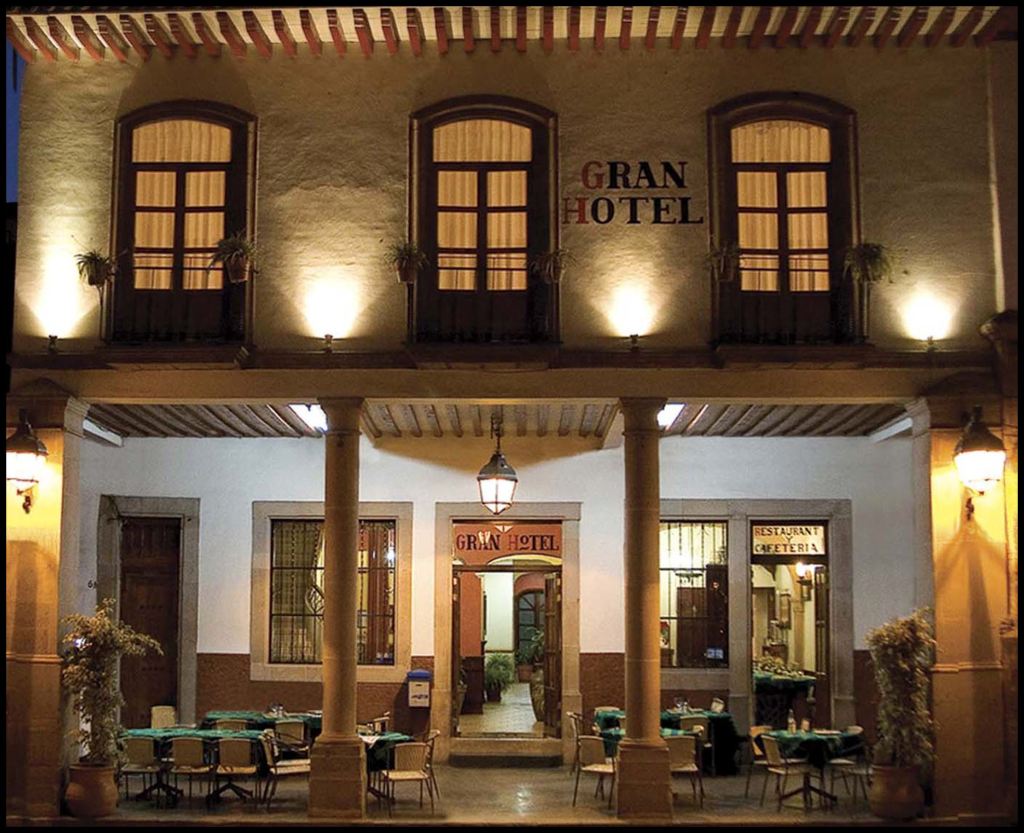
The beautiful Gran Hotel in Patzcuaro, Michoacan only cost $4 a night
Hotels
There were virtually no motels in Mexico. Large hotels in Mexico City charged about the same as large hotels in Atlanta or Europe. Hotels in smaller cities that catered to North American tourists were about the same price as a Holiday Inn Motel in the United States. To my surprise, I discovered that grand old hotels, built in the late 1800s had modern bathrooms, large rooms with beautiful antique furniture, high quality restaurants and only charged $3-$6 a night for a single guest. My favorite hotel was the Gran Hotel in Patzcuaro. It dated from the mid-1800s.
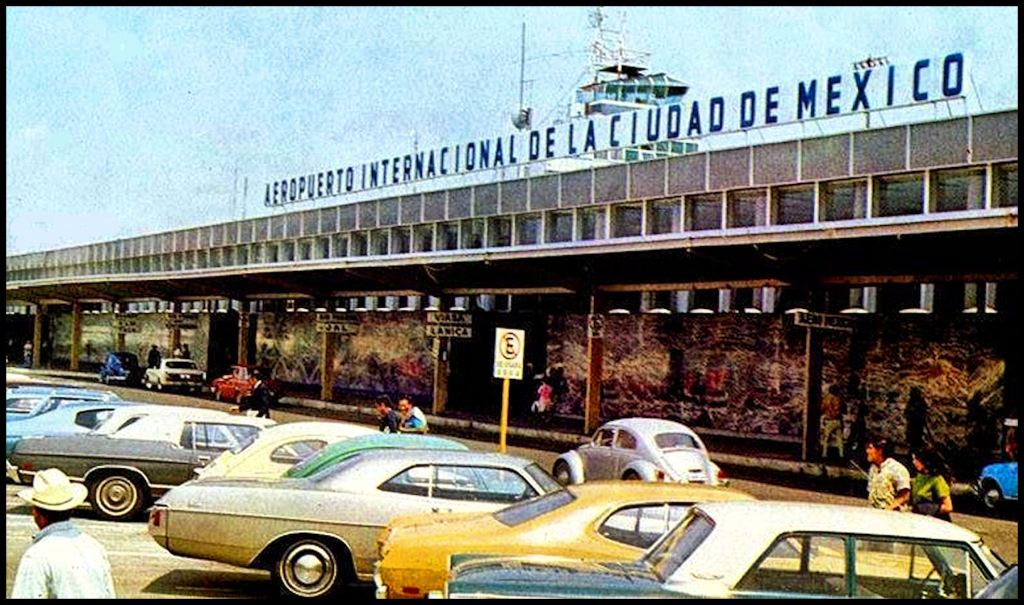
June 21, 1970 – I was about to ride in a taxi for the first time in my life, when I took this color slide. As luck would havi it, the final championship match between Brazil and Italy for the World Cup occurred on that date in Mexico City. Almost at the last minute, the Mexican Consulate typed up an official letter in Spanish and English giving the taxi driver directions to the pension (bed and breakfast) in Colonia Coyacan, where I was to stay. It stated that I was an official guest of Relaciones Exteriores (State Dept.) Otherwise the taxi driver might have charged me over $50 ($418 today) for the trip.
Surface transportation
Metro Mexico City: While staying at the Soto Residence in Colonia Nueva Sta. Maria – either Sr.. Soto, one of his two daughters or my girlfriend, Alicia, would drive me to archaeological sites in Metro Mexico City . . . because none of them had ever seen these ruins. On dates, we would sometimes go in Alicia’s Plymouth Barracuda and sometimes take the rapid transit. Back then, Teotihuacan was not in Metro Mexico City. I rode a Second Class bus, which was about $1 each way to Teotihuacan. The tourist buses were about identical, but charged $30 ($250 today!) for a round trip.
The bus system in Central Mexico and Tabasco State was run by competing private companies and excellent. Sometimes, especially in Michoacan, I would have to switch to a Third Class bus to directly access an archaeological zone, but that was no major obstacle. The First Class public buses were identical to those utilized for package tours by North Americans and Europeans, but typically the tickets were from 1/20th to 1/10th the price of tourist buses.
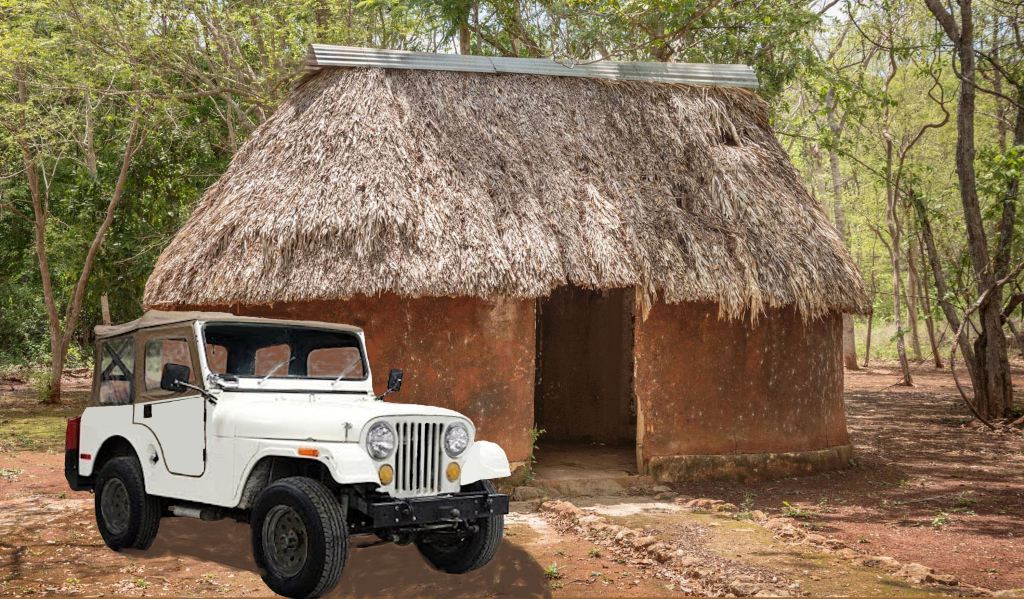
Ana’s new Jeep parked in front of our “Love Hut” in the Labna Archaeological Zone
Reaching archaeological zones in the Yucatan Peninsula was a major issue in the Yucatan Peninsula . . . especially in the interior of Campeche State and throughout all of the Territory of Quintana Roo. There were no state highway maps. Neither the paved nor the dirt roads in Yucatan had road signs . . . even speed limits. Most of the “state highways” in Campeche’s interior were one lane dirt roads with no gas stations . . . actually no commercial buildings at all.
I had been assigned 14 archaeological zones in Campeche. Only two on the coast had any bus service, pubic or for tourists. The situation in Yucatan was almost as bad, except that Yucatan had more paved roads. Chichen Itza was the only one of 12 assigned sites that had bus service . . . and they were very expensive, tourist buses. A round-trip ticket cost the equivalent of $250 today.
The problem was solved in Yucatan by hiring a Maya guide, who would take me to all the sites his car. I could stay at each city site as long as needed, but also squeeze more sites, if there was time. Most of the sites were accessed by paved roads and the terrain was fairly level. The guide offered to cut his fees in half, if I allowed his teenage son and daughter to ride with us, so they could practice their English and learn from me more about Maya architecture.
Campeche presented a much more difficult problem. It received very little foreign tourism in that era. Most of its foreign tourists came on tour buses from Merida and carried their own guides. Two minor Chontal Maya towns were connected to Campeche City by pave roads and Second Class busses that were actually Blue Bell school busses, manufactured in Georgia. The major city sites were served by one lane dirt “state highways” that were identical to US Forest Service Roads.
The problem was solved by a gentlemen, whose company furnished logistics and laborers to North American universities for scientific and archaeological expeditions. He nominated his 21 year-old daughter, who was a rising college senior in High School History Education to be my guide and driver. She was also studying to take the exam for being a certified English language tour guide for Maya sites. However, she was also hanging around a group of students who were into transient relationships, wild parties and psychedelic drugs,
Her father was obviously playing matchmaker in hope that a more self-disciplined man would settle her down. He charged me $40 and a tank of gasoline for her new Jeep in returned for escorting me through the unmapped jungles of eastern Campeche for 10 days. She initially balked at being yoked to a Gringo, but we soon were having a wonderful time.
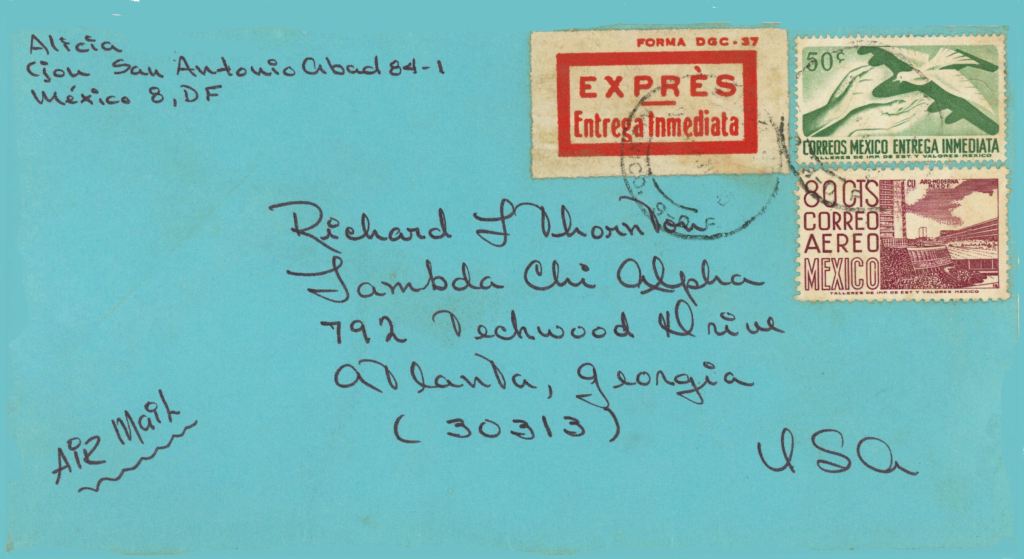
This is the envelope for a letter from Alicia Moreno in which she congratulated me on being about to graduate from Georgia Tech. She announced that she was a woman now and that all I had to do was say yes and she would immediately fly to Atlanta and live with me. Otherwise, she was moving to France in August to get a Masters Degree from the University of Paris. I did not receive the letter for two years!
Communications
International romances were difficult in the early Seventies, unless one was wealthy enough to fly to the one’s heart throb regularly. The internet, fax machines and cell phones did not exist. Working like FAX, Western Union could send a message almost instantly to a city in another nation, but no longer delivered messages to homes, The messages were mailed from Downtown post office tp to the homes of recipients.
Air Mail from Atlanta to Mexico City took about a week to arrive. Air Mail from Mexico City usually took a week and a half. Air Mail to and from Campeche would have arrived faster, if sent on a sail boat, Apparently, the mail had to travel to Mexico City over three different railroad companies before reaching the Mexico City airport.
The quality of telephone conversations between Atlanta and Mexico City was good, but it was expensive. Daytime calls cost a dollar a minute ($8.35 a minute in today’s dollars). Evening calls were 50 cents a minute. Calls made to Campeche and Yucatan were much more expensive and often barely audible. Any call to Mexico required first a call to an AT&T International Operator, who would actually make the call. Telephone service didn’t exist in most of Campeche, Chiapas and Quintana Roo. Even in a coastal location like Campeche City, telephone connections could fade in and out.
Here is what happened to Alicia. She was born in California. Her father was a US citizen in California. All she had to do was to travel to the USA and have her father sign a document stating that he would be her sponsor for a year until she turned 21. She would instantly become a US citizen.
Alicia desperately wanted to get out of Mexico and have an adult relationship with me – but not get married. She wanted to get a postgraduate degree. Her uncle was paying a servant to steal her mail from the mail box then he paid someone to translate the English. \He figured out that she was planning to move to Atlanta to be with me and that Eastern Air Lines had offered her a combined working-go to school scholarship in International Commerce. She was already fluent in three languages.
Her uncle told her mother about Alicia’s plans. They hired bandits to kidnap her and her on a ranch in the northern desert. They also hid her passport and U.S. Birth Certificate. An attorney eventually got her freed and legal documents returned. She leaned from the Sotos, that I was about to graduate and not serious with any other woman.
Alicia wrote the letter in mid-May 1972, but it id not arrive until just before graduation, when I had already moved out of the fraternity house. Our housemother was away, so no one forwarded it to my parents so it was tossed into a box and forgotten for two years.
The morning after graduation I flew off to Sweden to start a job. Alicia flew to Paris to start school in August. We apparently were face-to-face on a sidewalk in he Left Bank of Paris in November, but she was so beautiful in a chic French outfit. I was not sure it was her, plus she was with a guy and some other French girls. I was wearing a traditional Swedish sweater and with a group of Scandinavians.. We both said nothing as we passed by. It was like the iconic scene in “Doctor Zhivago.” Yes, international communications were difficult in the 1970s. Now you know.
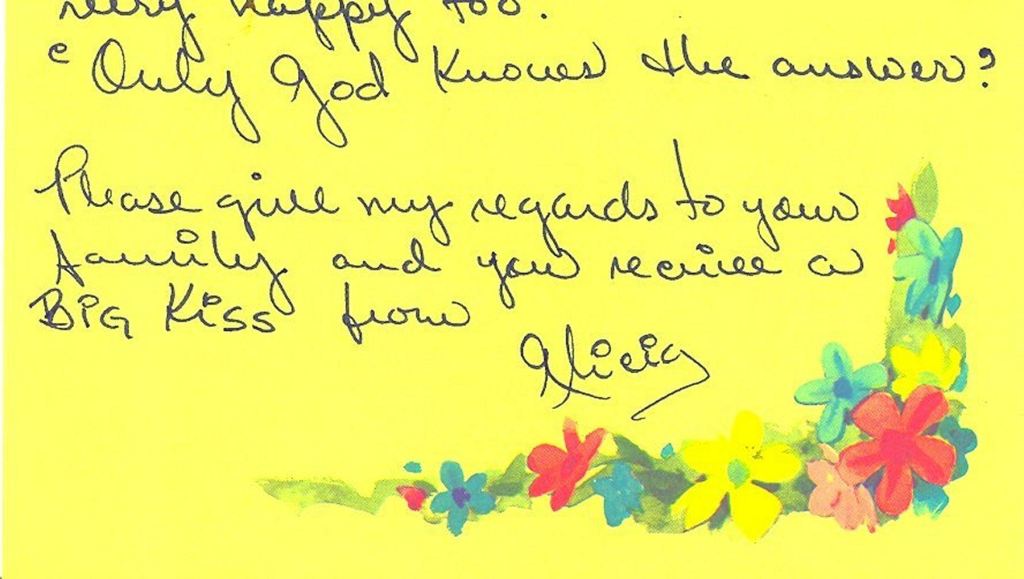
Ending of Alicia’s last letter that got lost in the box
 The Americas Revealed