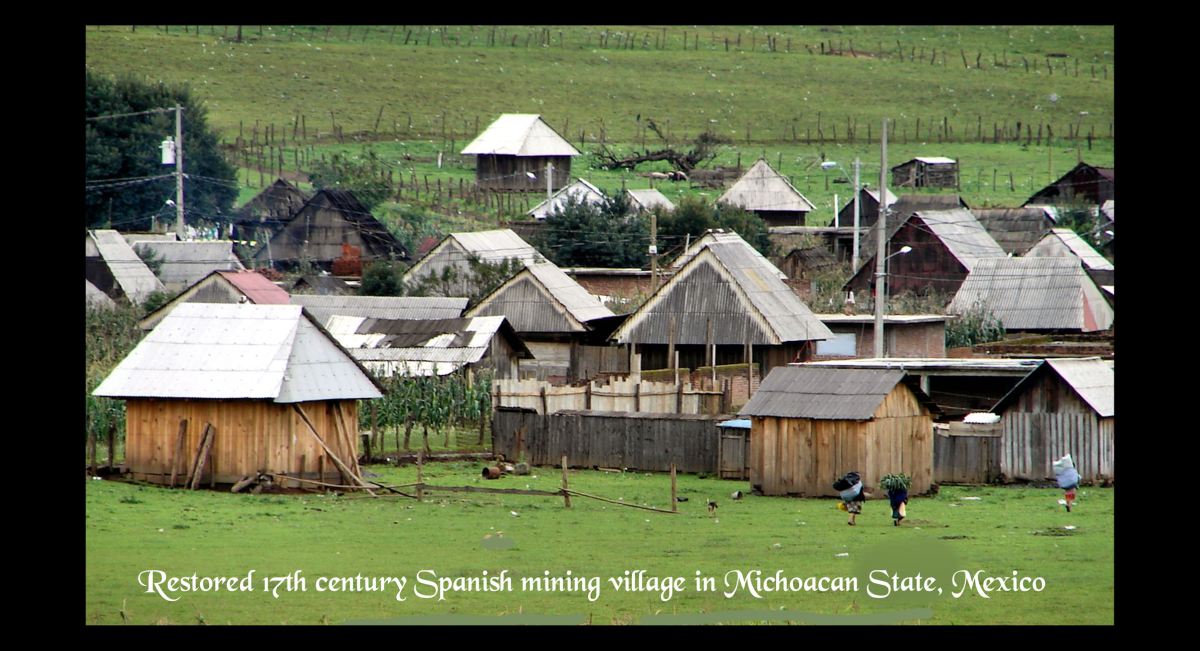
A slide show visit to San Antonio de Tierras Blancas, Michoacan
Architecture of the North American Frontier Series
by Richard L. Thornton, Architect & City Planner
The ruins of two 17th century Spanish mining villages were discovered by Georgia gold miners in the Nacoochee Valley and described in detail by Georgia newspapers in the 1830s. However, my research work with LIDAR, infrared and historic maps has revealed a large, fortified trading post in Robertstown, GA near Unicoi State Park. It contains the footprints of many types of structures, not just simple miner’s cabins.
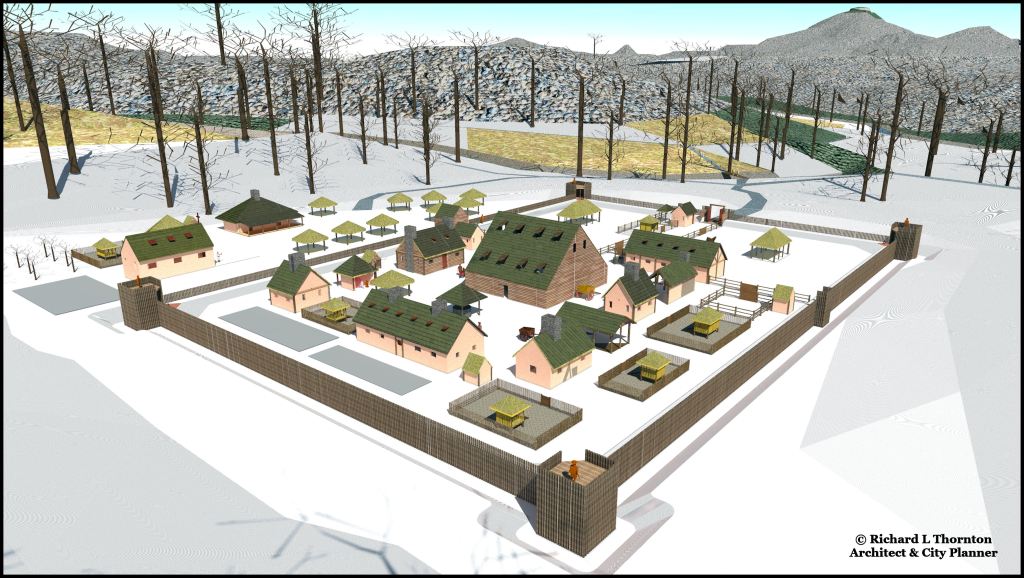
The 500 mile long pack mule trail, fort, trading post, mule-breeding farm and mission were financed by Governor Benito Ruíz de Salazar Vallecilla of St. Augustine and Edward Bland of Jamestown, VA. Vallecilla evidently utilized funds that he was paid by the King of Spain in the project. He was fired by the king for not using those funds for building a ship. Bland had lived in Spain for five years prior to the construction of the project.
Many 17th century European colonial villages
I have identified smaller European colonial sites elsewhere in the Nacoochee Valley, in Little Mulberry River Park in NE Metro Atlanta, in northwestern Habersham County, GA, near Sylva, NC and near Franklin, NC. The builder of my former farmhouse in the Shenandoah Valley, Col. John Tipton, passed through several villages of Spanish-speaking residents in southwestern Virginia and NE Tennessee, while leading wagon trains of settlers into the future state of Tennessee, He stated that the buildings were of a “peculiar” architectural style and seemed to be well over a century old.
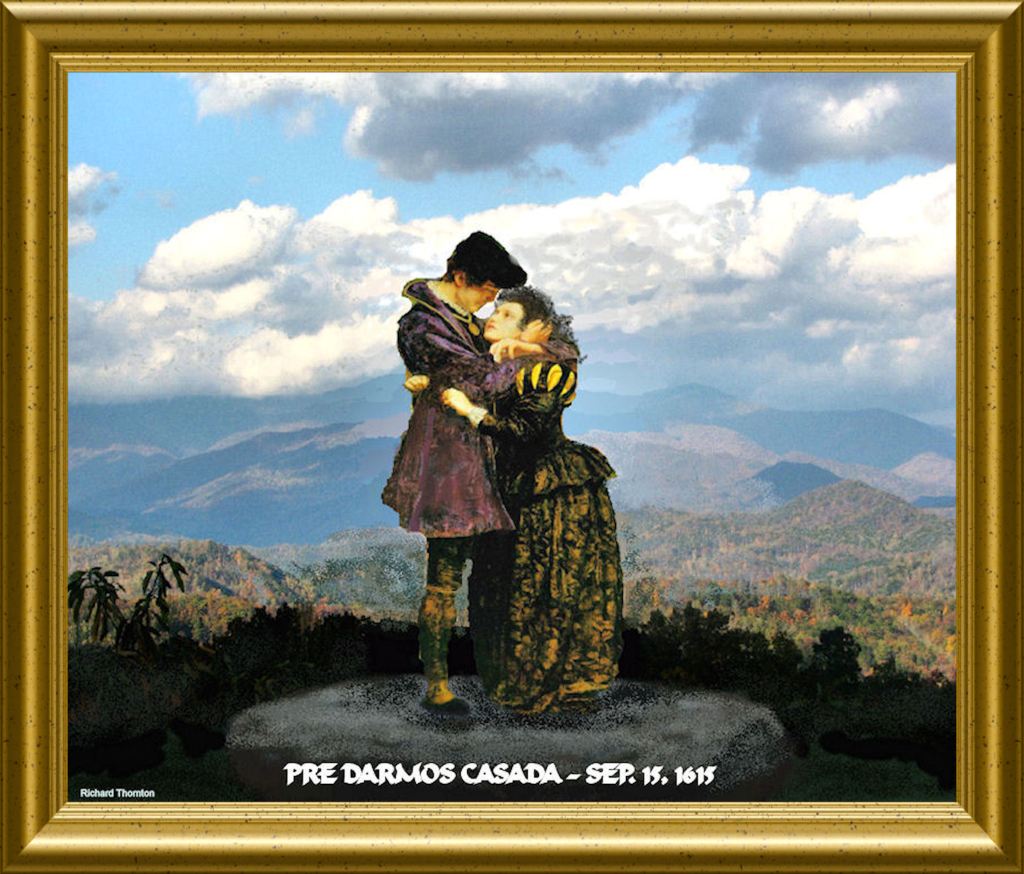
I have no doubt that there are many other late 16th century and 17th century European village sites in the Southern Highlands. Several old gold mines in Georgia and North Carolina have been radiocarbon-dated to the late 16th century or early 17th century. In April 2010, I discovered a stone engraving on a mountain crest, west of Fontana Lake in the Great Smoky Mountains, which in Ladino (Sephardic Spanish) recorded a wedding on September 15, 1615.
The wooden structures at Robertstown, decomposed long ago, but the earthen ramparts of the fort are still visible on LIDAR. No stone foundations are visible at this site, but I have found some in other parts of the Nacoochee Valley-Helen, GA area.
The Southern Appalachian Mountains have a very different climate than St. Augustine, Florida. The architecture in the mountains could not be the same as in Florida. So, what did these vernacular buildings and communities look like? The answers came from drawings of 17th century Spanish trading posts in the Philippine Islands, plus 17th century Iberian villages in the mountains of Michoacan State, Mexico and Puerto Rico.
The Evidence
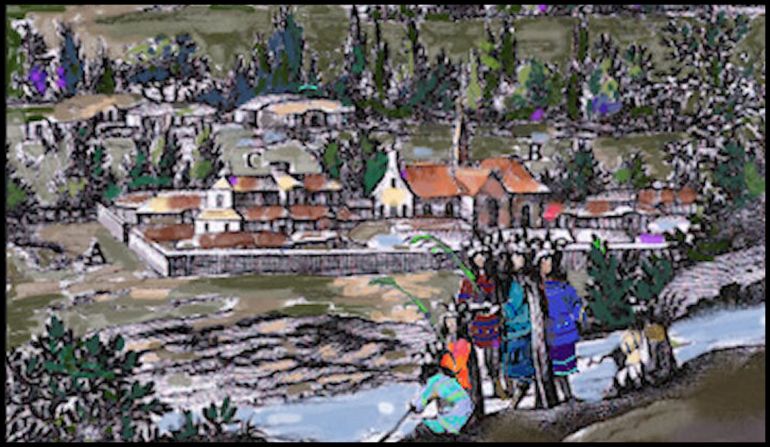
This detail of a 1658 engraving of the fortified trading post and mission in the Nacoochee Valley of Georgia by Rotterdam printer, Arnout Leers, tells us that it overlooked the Chattahoochee River and was at the foot of large mountains. It was fortified and contained buildings of varying size. However, the 17th century Dutch Renaissance architecture is ridiculous. All European tools and building materials for constructing the complex in 1646 had to be hauled on the backs of mules 475 miles (764 km) from St. Augustine, Florida! Undoubtedly, the buildings were constructed from local materials and lacked ornamentation.
The earthen ramparts of the fort were still intact in April 1848, when visited by explorer Charles Lanman, who was associated with the Library of Congress and Smithsonian Institute. He was quite impressed with the Nacoochee Valley and mentioned in his book, Letters from Alleghany Mountains, that there were two large mounds on the western end of the valley. Both were over 40 feet tall. Now there is only one and it is a reproduction, 25 feet tall.
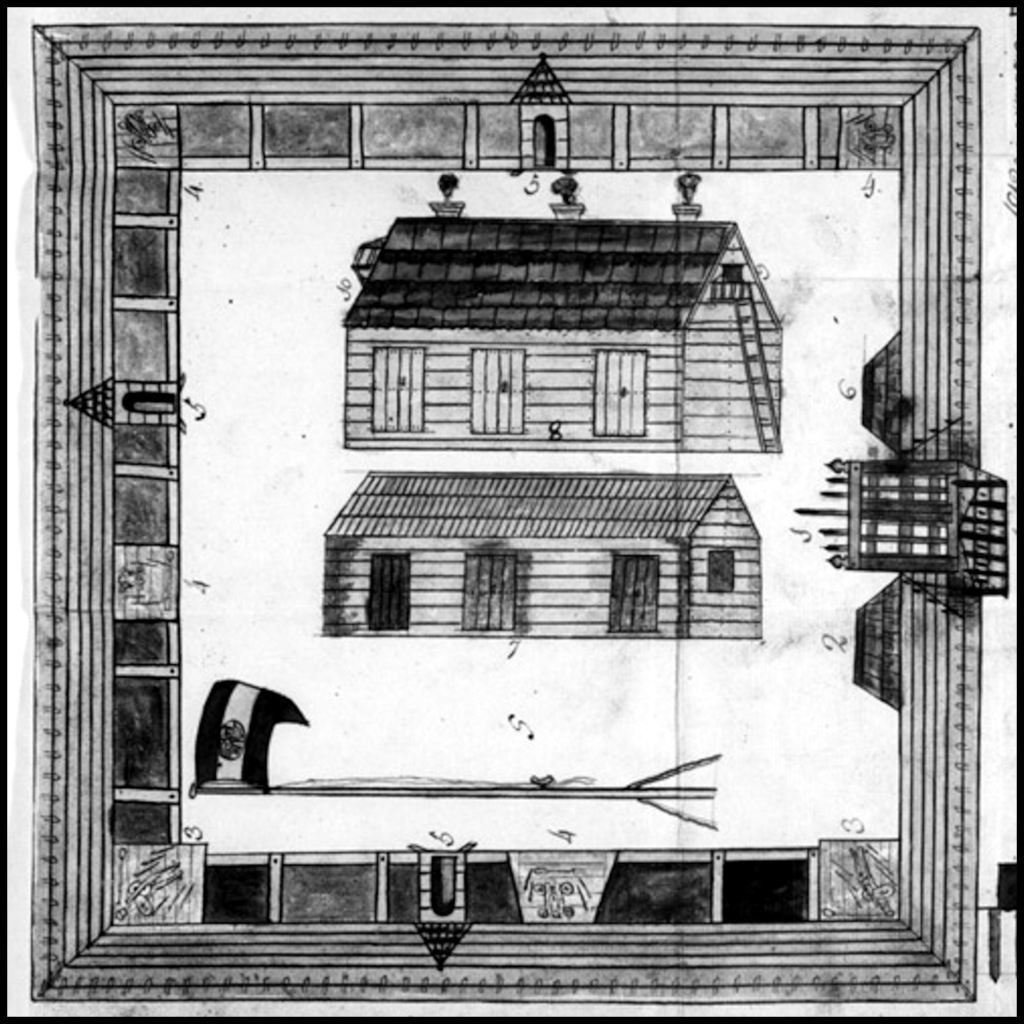
Small Spanish trading post in Northeastern Florida
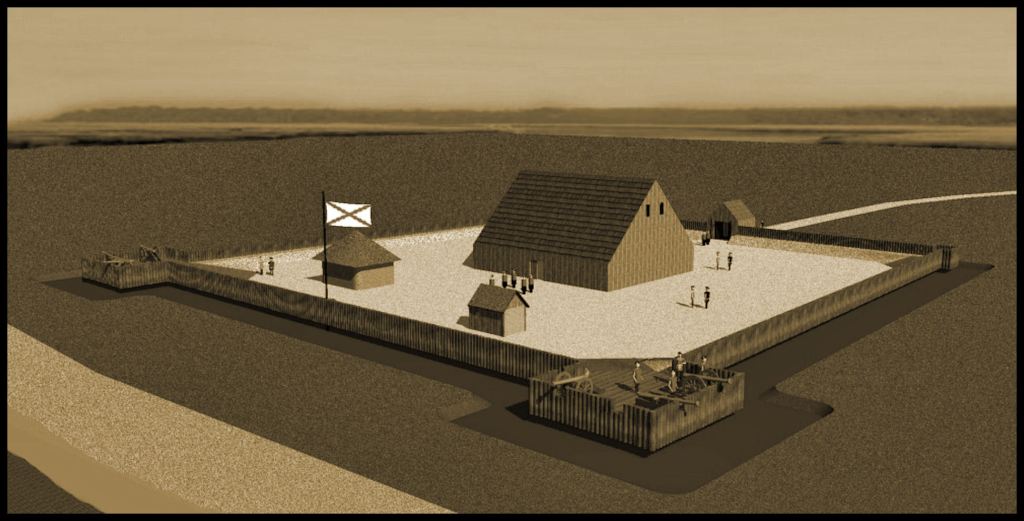
1576-1584 – Spanish fort and trading post at Santa Elena, SC
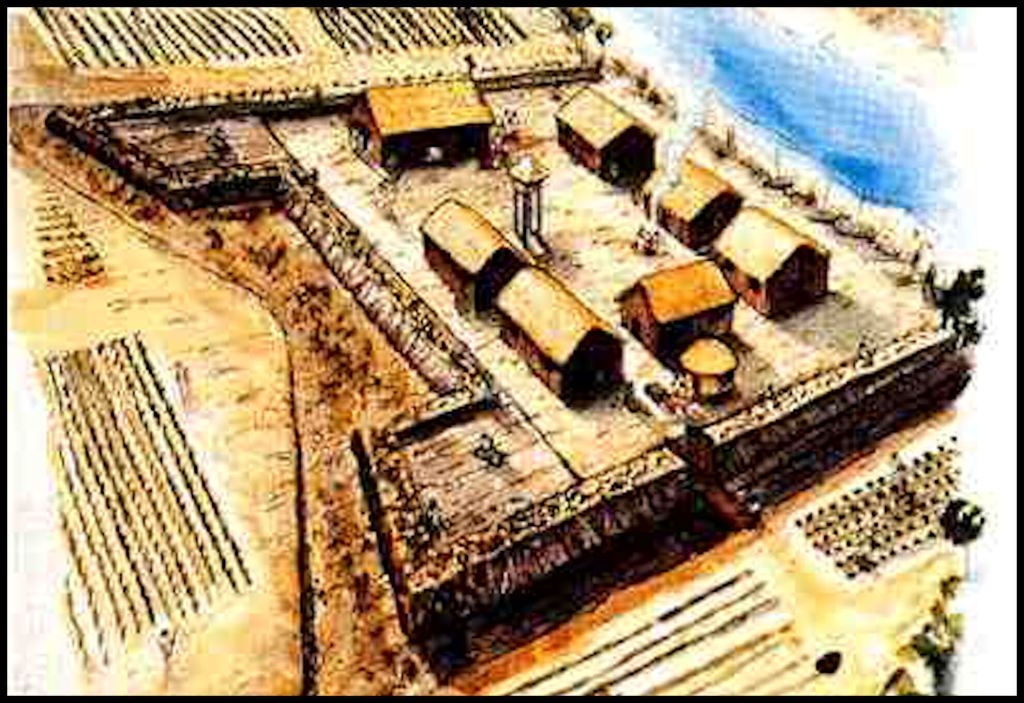
Large fortified trading post – Spanish Florida near St. Augustine
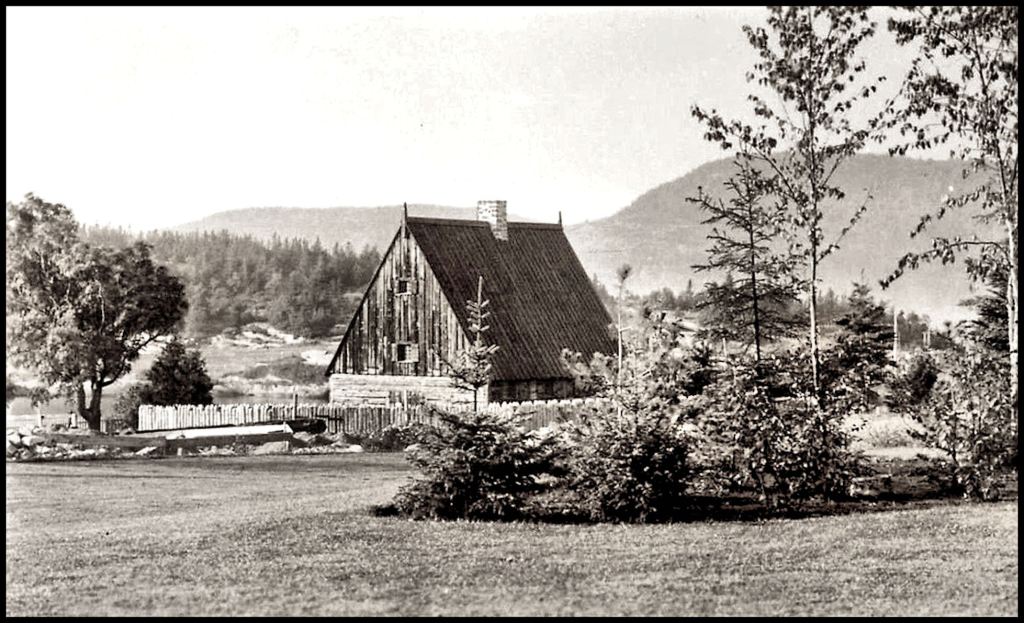
1600 – fortified French trading post at Tadoussac, Quebec. The dimensions of its principal building matches the largest building footprint at the Robertstown, GA site.
Linguistics and Genetics
Yonah Mountain overlooks the western end of the Valley. Until 1832, official Georgia maps named the mountain Nocosee Mountain, which is the Creek Indian word for “bear.” In 1832, the US Congress published a detailed map of the Georgia Gold Belt, which featured a drawing of a Spanish gold refining retort. It named Nocosee Mountain, Yeona Mountain. Yeona is the Asturian word for a mountain lion. Even today there are 15 recognized indigenous languages in the Iberian Peninsula. The next official map of Georgia renamed Nocossee Mountain, Yonah Mountain. Yonah is the Cherokee word for a Grizzly Bear or a large Black Bear.

Galician style burial markers in an ancient Nacoochee Valley cemetery
Thousands of North Georgians claim Cherokee ancestry. Very few of these people show up with typical Cherokee DNA markers, when they take a DNA test . . . nor can many explain how their Cherokee ancestry escaped deportation to Oklahoma. If they have any Native American DNA, it is the Mesoamerican Haplogroup C, typical of Creek Indians.
However, most of these “Cherokees” are showing up with substantial Asturian, Sephardic Jewish, Galician and/or Portuguese DNA markers. Sephardic Jews left Spain and Portugal to escape the Inquisition. Galician, Asturian and Portuguese gold miners crossed the Atlantic Ocean to get rich. Many of these people, mostly men and male teens, ended up in the mountains of Michoacan. What they built in Michoacan was probably similar to what their neighbors, who immigrated to North America, built. In the late 20th century, one of these 17th century colonies was restored to it is original layout.
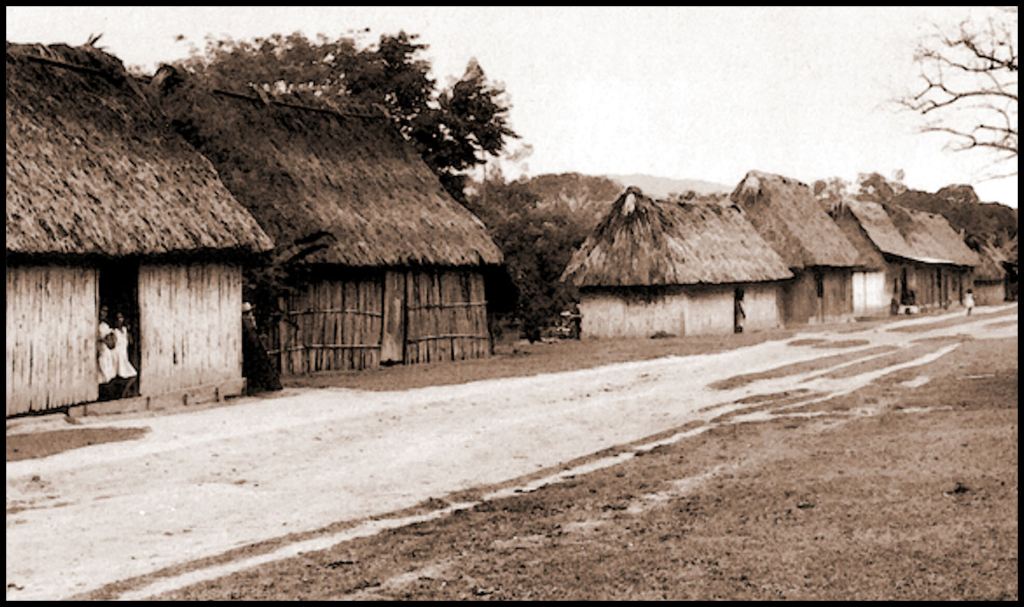
A 17th century Spanish village in Michoacan, Mexico
The heavily forested mountains of Michoacan State, Mexico look similar to the Southern Appalachians. Even though this region is south of the Tropic of Cancer, the approximately 7,000 feet base elevation causes the northern and eastern highlands of Michoacan to have winters comparable to Montgomery, Alabama or Macon, GA . . . except much dryer.
This alpine region of Mexico also is the only location in Latin America, where the majority of “regular folks” have wooden siding and wooden roof shingles. One of the villages founded by Asturian and Gallician miners is San Antonio de Tierras Blancos, Michoacan. As exactly the case in the North Georgia Mountains, most of the Iberian immigrants were men, who married Native American wives. After 400 years of mestizos marrying mestizos, their descendants, who chose to stay in the remote alpine valleys, consider themselves to be Purepeche.
San Antonio de Tierras Blancos has been returned to its approximate 17th appearance through the assistance of historic preservation grants and architect volunteers. I could find no more authentic source for re-creating the architecture of gold and gem miners’ villages. In the coming weeks, you will see authentic-looking people of that era, walking past the buildings below appearing on the landscape of the Upper Chattahoochee River Valley!
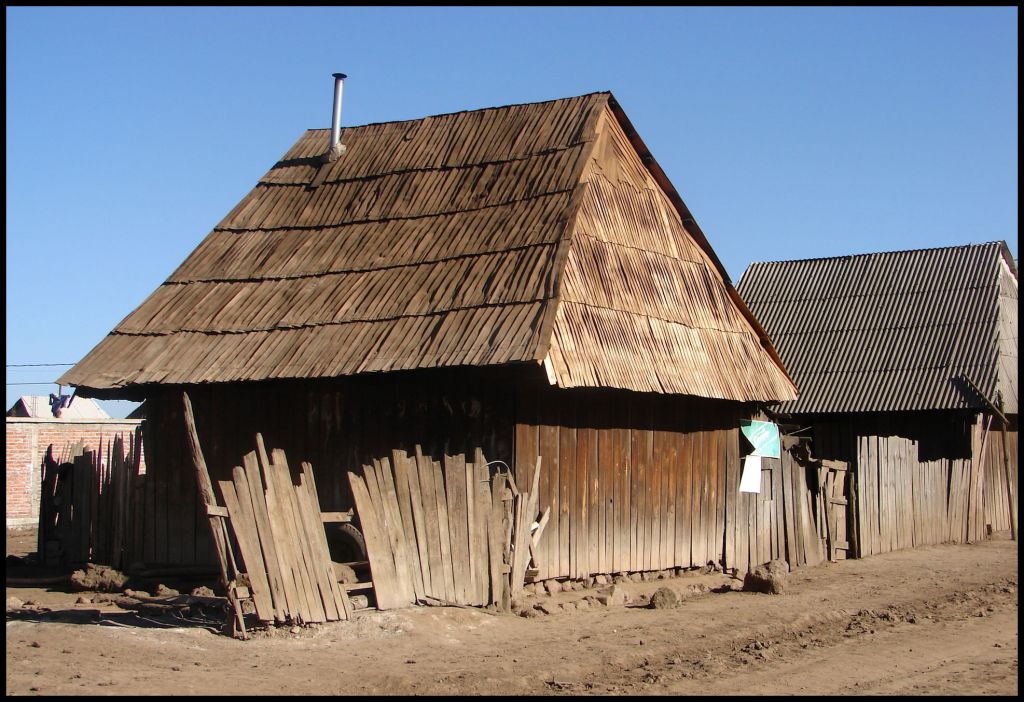
A small house with vertical board siding and wood shingle roofing.
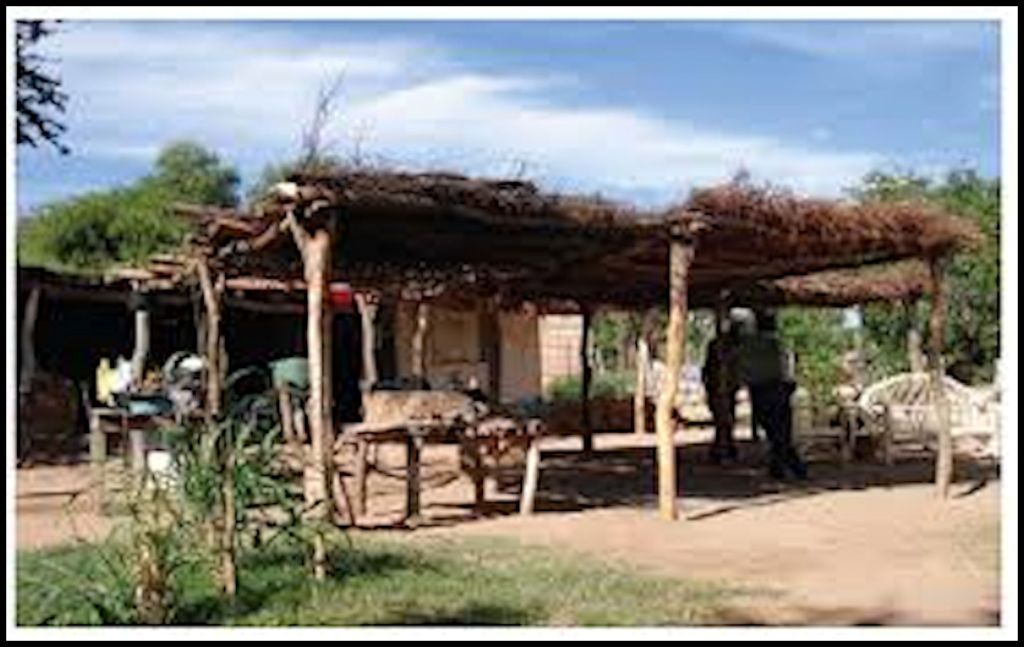
A kitchen covers a wood-fired baking oven and seats for catching up with the neighbors.
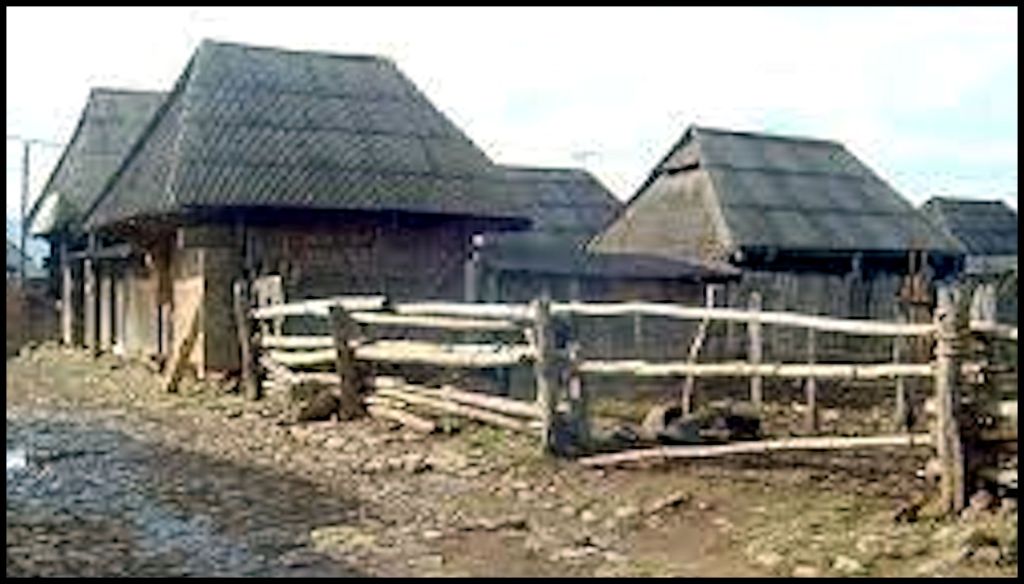
Small houses with wood lap siding and over-sized shingle roofs adjoin a corral.
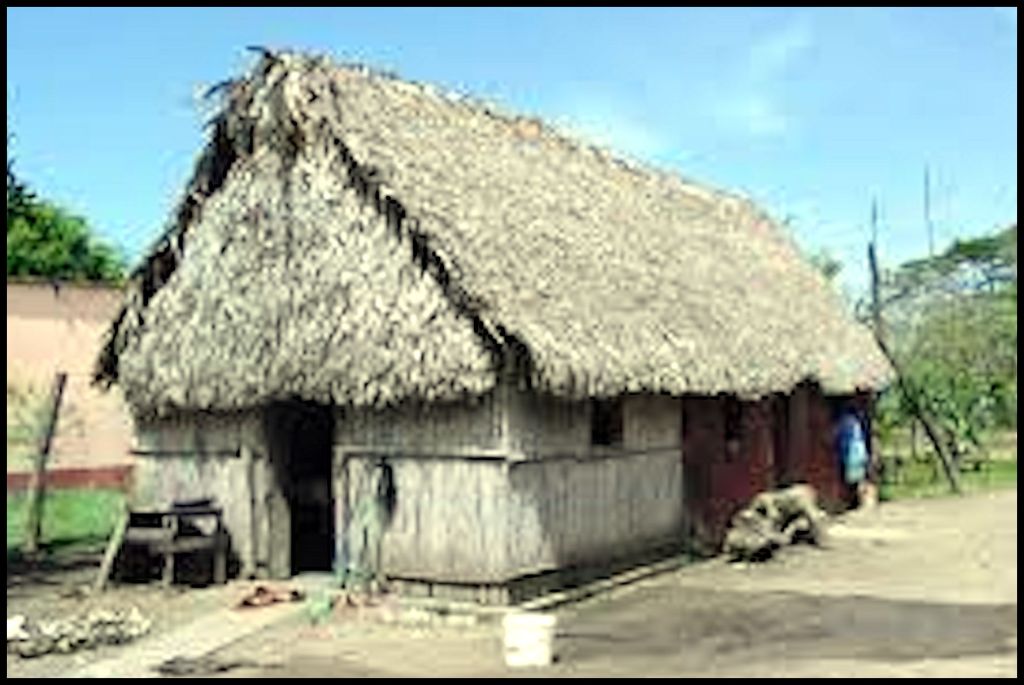
This house has wood siding, but a thatched roof.

This house has horizontal wood siding, but a thatched roof.
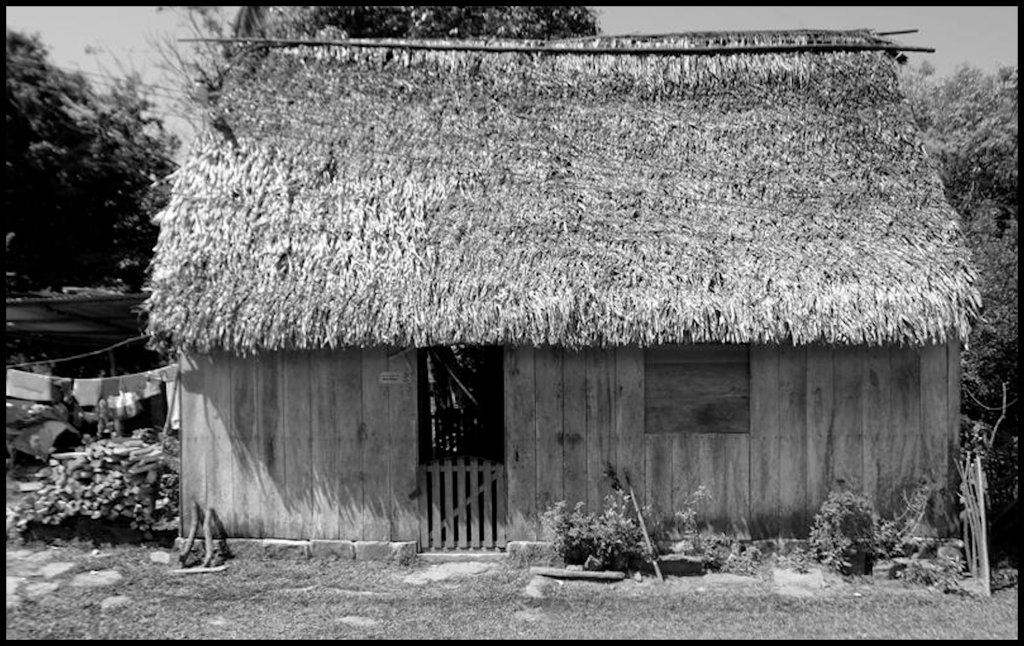
Our final house has new vertical wood siding and a neatly thatched roof.
In our next issue, Santos, the mestizo cook responsible for taking care of the chickens and turkeys, will take you on a tour of the trading post’s outdoor kitchen, indoor kitchen . . . goat, chicken, turkey and pig pens, plus the vegetable gardens.
 The Americas Revealed
Love breaking up the day or evening with an Inbox history lesson or some other adventure story! Thank you!
LikeLiked by 1 person
Very Interesting post Thanks Richard. I am always amazed at the thatched roofs how in fact they didn’t catch fire. Have a good day and enjoy your research as we enjoy reading it.
LikeLiked by 1 person
I have a feeling that the European thatch roofs did frequently catch of fire. The ceilings of Creek houses were plastered with a clay-base stucco in order to reduce heat loss in the winter and prevent sparks from catching the thatch on fire.
LikeLiked by 1 person