These minerals are rare or non-existent in the parts of Mexico, where civilizations developed, but are abundant in the State of Georgia, USA. The Chattahoochee River Basin in Georgia was the nearest location for large deposits of both these minerals.
Central Mexico contains some deposits of mica near certain volcanoes, but no attapulgite. However, artists at Teotihuacan began using attapulgite in murals at least as early as 100 AD.
The Gulf Coast region of Mexico contains no significant deposits of mica or attapulgite.
The Maya Highlands and Yucatan Peninsula contain no deposits of mica, Some cenotes (sinkholes) in the sedimentary rock portions of the Yucatan Peninsula contain modest amounts of attapulgite, but not nearly enough to have met the needs of the Teotihuacana and Maya civilizations.
After spending much of 1653 among the “real” Apalache Indians of northern Georgia, English explorer, Richard Brigstock stated that the Apalachete used vast amounts of mica to reinforce the clay stucco on their public buildings and elite houses, Their most important exports were mica, greenstone (a type of jade) and gold foil. Large trade canoes hauled the mica down the Chattahoochee, Altamaha and Savannah Rivers, where the mica was transported over ocean waters to distant customers.
by Richard L. Thornton, Architect & City Planner
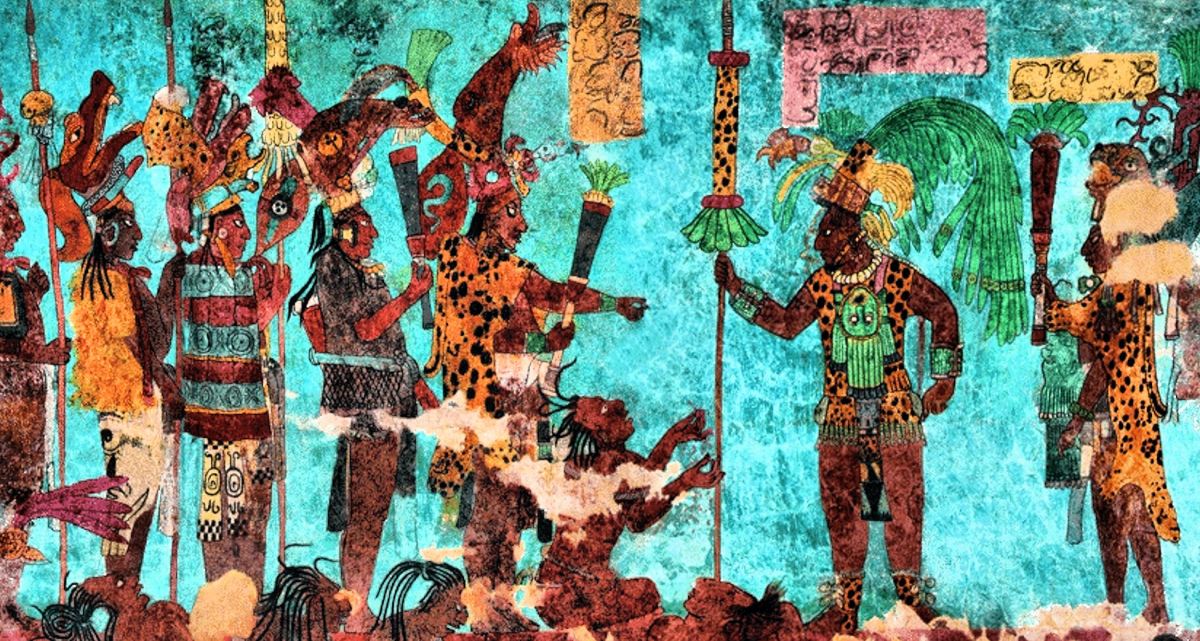
Image at top of article – This is a section of the famous murals in the Maya city of Bonampak, overlooking the Usumacinta River at the border of Chiapas State with Guatemala. Despite still being inside a temple in the jungle, the murals are in astonishing good condition. I did not take this photo, since my camera and film were incapable of getting a decent image without use of a flash bulb . . . which was forbidden. Dr. Román Piña Chan gave me copies of his archival photos, after I got back to Mexico City from being in southern Mexico a month. He had just been fired by the new president of Mexico, Luis Echeverria, and so was quite generous to me at that point. LOL
Attapulgite (also called Palygorskite)
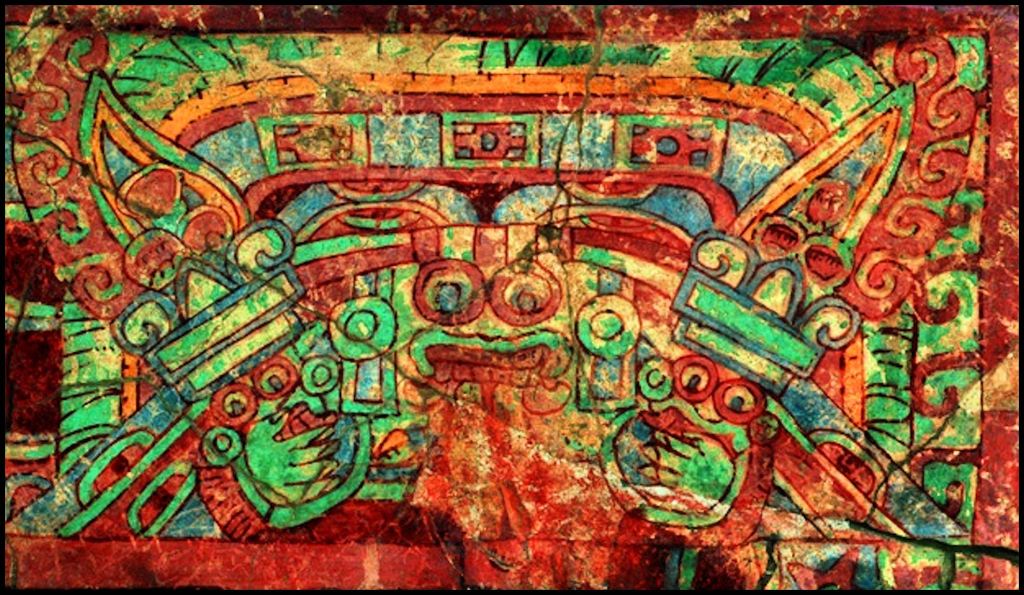
One of the oldest murals unearthed in Teotihuacan
Attapulgite or palygorskite is a magnesium aluminum phyllosilicate with the chemical formula (Mg, Al)₂Si₄O₁₀·4 that occurs in a type of clay soil common to southwestern Georgia in the United States. It is one of the types of fuller’s earth. Georgia contains one of the largest deposits in the world. This clay also occurs in commercial size deposits within coastal regions of Brazil and in Russia.
This mineral chemically combines with certain pigments and calcium carbonate to create a substance that is highly resistant to extreme moisture, acidic soil and extreme temperatures. It was the key ingredient in the murals and building stuccos created by Mesoamerican civilizations that enabled the structures to survive under harsh climatic conditions. In 2012, scientists at the University of Minnesota, hired by the History Channel, proved that the attapulgite utilized in at least one prominent Maya city, Palenque, came from a particular attapulgite mine near Attapulgus, Georgia.
Attapulgite is also used extensively in medicine and hospital emergency rooms. It binds to toxins, bacteria and water. Attapulgite adsorbs water, toxins and bacteria, thus saving the lives of patients with life-threatening digestive infections. It was the original active ingredient in Kaopectate, but the manufacturer now uses kaolin clay, also from Georgia. Emergency room personnel and military medics also use it to stop extreme bleeding from wounds.
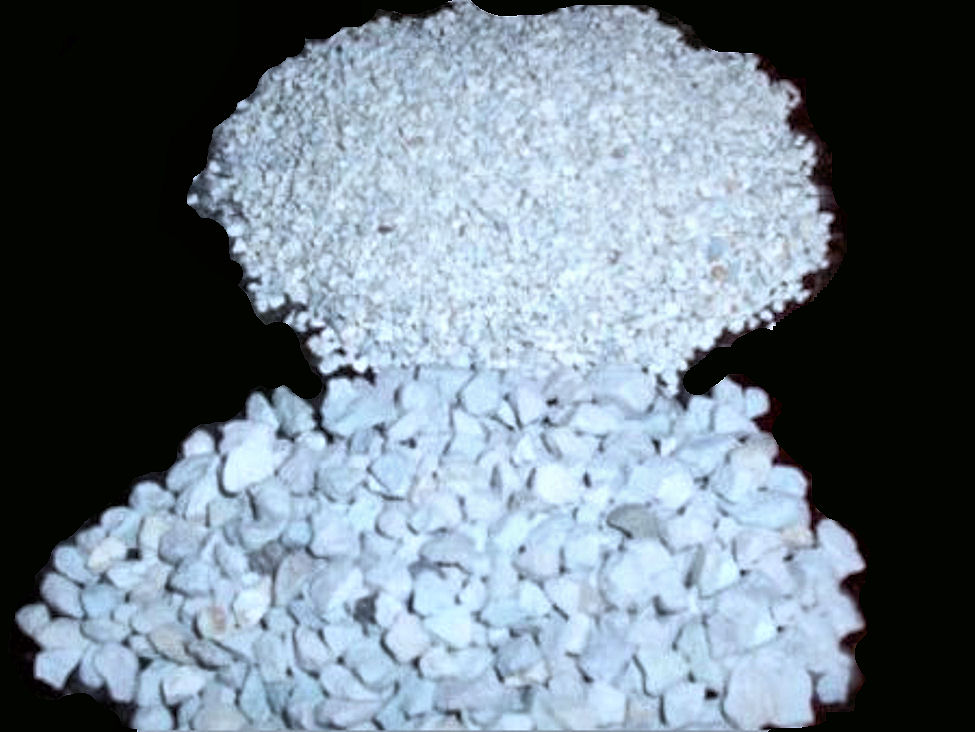
Processed attapulgite crystals are sold in bulk or bags. Attapulgus is a Creek word, meaning “stir with a wooden paddle.” Apparently, the local Native Americans processed the raw clay then sold them to transoceanic traders.
How I learned about attapulgite
Long, long ago . . . in a land faraway . . . I was able to see and photograph a collection of Teotihuacan’s murals, which were not accessible by the general public. They are now displayed in climate controlled environs of a special murals museum on the grounds of the Teotihuacan Archaeological Zone.
Because I was not permitted to use a flash bulb, this task required a special (and very expensive) high resolution-high speed film, which was not immediately available at camera shops in Mexico City. Dr. Piña Chan gave me a role of this film and handled its development in the museum’s photo lab . . . under the condition that the Museo Nacional de Antropologia retained the developed film. It was necessary for him to write a permission letter and request that a UNAH staff archaeologist be with me at all times to make sure that I did not touch the murals.
Few people in the United States know that Teotihuacan was originally located on an island in a shallow lake. There was much more rainfall back then and the climate was much more humid.
When I got back from Teotihuacan and delivered the exposed film to the museum, I asked Dr. Piña Chan how in the world it was possible for 1900-1400 year old murals to survive in such good condition. All he said . . . or at least what I recorded in my journal . . . was that the ancients knew of a mineral, which chemically changed the ingredients of the murals, making them impervious to constant moisture and thermal extremes.
Then . . . 39 1/2 years later, I wrote article in my Examiner column on December 21, 2011 (Maya New Year) introducing the Track Rock Terrace Complex to the world. I was now living in the former office of an abandoned chicken house-egg hatchery. It had telephone and internet service. The purpose was to get work for the Georgia archaeologists. At that time 85% of the people in the United States with a post-graduate archaeology degree were unemployed or had left the profession to get unrelated work elsewhere.
Being it was the Christmas holidays I expected get maybe 1200 views. Actually, the article eventually had over 3 1/2 million views in the Examiner at around 200 million or more around the world on RSS news feeds and newspapers in 62 nations.
The Georgia archaeologists Old Guard, occultists and fans of Adolf Hitler had a flying fit. I was supposed have been destroyed by being evicted from my home on Christmas Eve. None knew about my extensive connections with Mexico or that I had been friends with some very famous archaeologists in the United States . . . but all of them, except George Stuart, had died in the previous two decades. National Geo wouldn’t tell me where George was living in retirement. In his 2014 obituary I learned that it was just over the mountain from my former North Carolina farm!
I decided that I needed to publish a book ASAP which explained my knowledge of Mesoamerican and Southeastern Native American architectural history. At least, the archaeologists would back off and newspaper reporters would have something to quote. Unfortunately, my journal in Mexico, fellowship thesis and large collection of archaeology-anthropology-history books were somewhere in boxes, stacked inside a rental storage bin . . . remember I was homeless.
The only archaeologists that I know definitely read the book, lived in Europe, Canada and Mexico!
I dived into the internet and tried to update my knowledge of what had been going on among archaeologists in Mexico. In the process, I ran across several articles about Maya blue. Mexican archaeologists could not figure out where the Mayas obtained the vast quantities of attapulgite for their buildings and murals. A Harvard archaeology professor wrote a professional paper suggesting that they paddled over 5,000 miles to the nearest deposit in Brazil.
I went online to find some closer locations for attapulgite. I was shocked to see that Georgia was one the major producers of attapulgite in the world. It was 1,080 miles (1738 km) from Chichen Itza to the nearest Georgia mine. All of the Georgia mines were near either Chattahoochee or Flint Rivers. That’s a lot shorter route for a cargo boat.
Well, the book was published. Several major networks or channels talked to me about producing a TV program on the subject. The US Forest Service only approved a filming permit for the Travel Channel then turned down the other requests, because the North Carolina Cherokees told them to. (yes, really). The History Channel went ahead with their project.
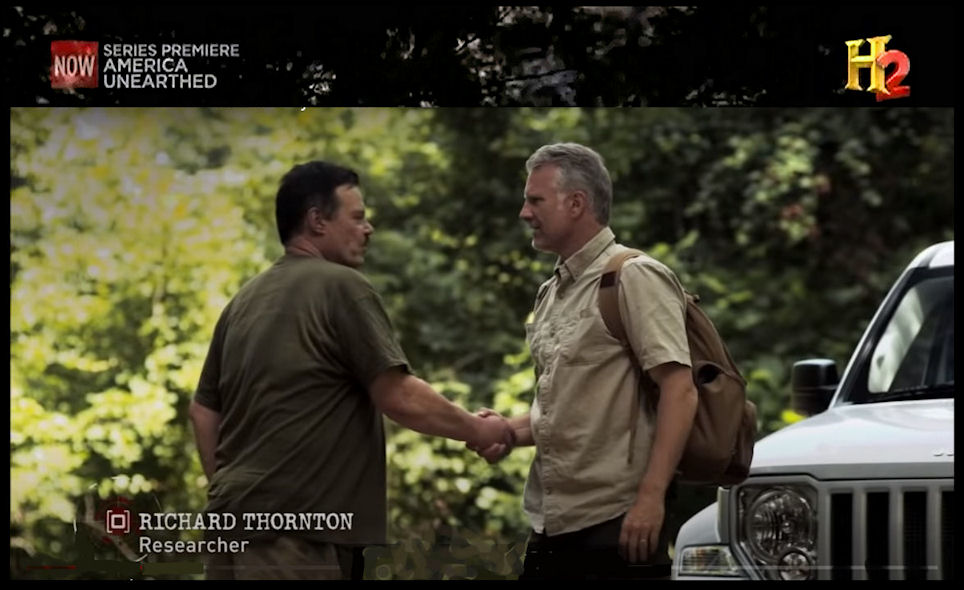
An opening scene in the premier of “America Unearthed.”
The entire History Channel Program was based on my book. Scott Wolter knew nothing about the subject, prior to planning for the premier of his new series, “America Unearthed.” In my contract, it was specifically stated that I was to be credited both in the script and at the end for writing the book. I wasn’t.
I cringed when I learned that the film company was going to obtain one sample of Maya Blue stucco from one building in one Maya city, Palenque then compare it to one sample from one attapulgite mine in Georgia. Amazingly, the scientists at the University of Minnesota found a 100% match. There is much more to this story. I will save that for the end of the article.
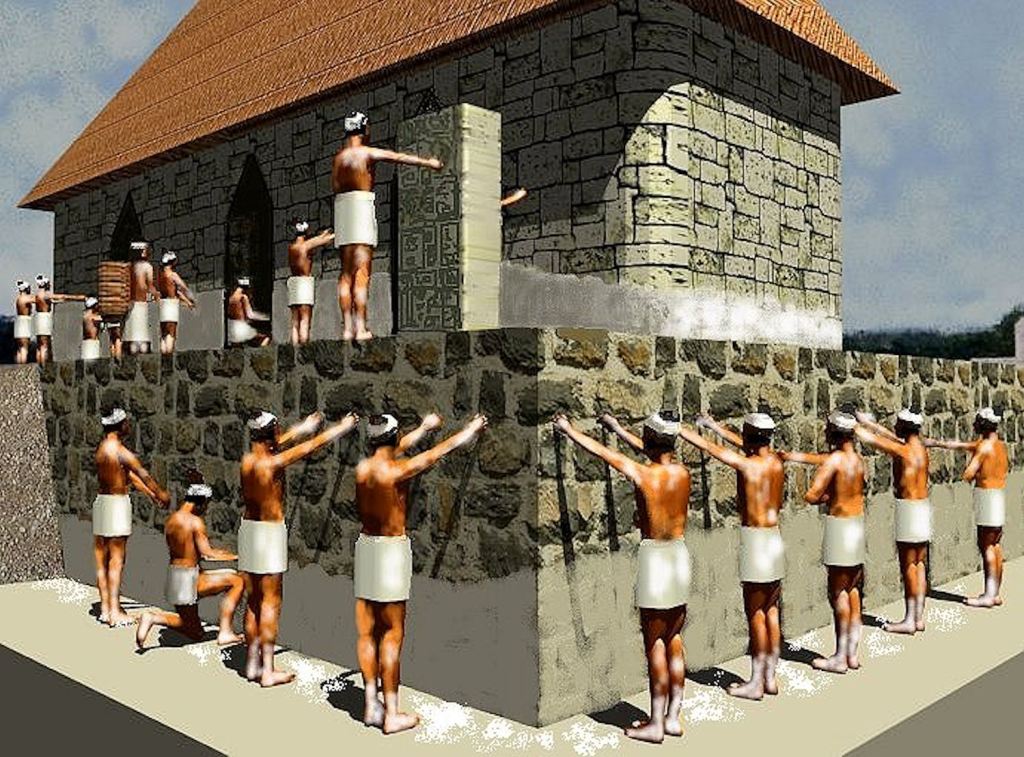
Maya masons used enormous amounts of mica, when applying stucco.
The multiple uses of mica
The use of mica by the Mayas is much easier to explain. Why they used it and where their mica came from is another matter. The nearest significant deposit was near the Iztaccíhuatl Volcano, southeast of Metropolitan Mexico City. That’s 560 miles (901 km) of very rugged mountain terrain between the deposit and Palenque. Other Maya cities were up to 871 mi (1,402 km) south of Iztaccihuatl. As a whole though, Mexico has very little mica.
So, how did the Mayas even know about mica? There is some mica in the highest mountains of Guatemala, but mica is not endemic there as it is in the Southeastern United States Piedmont and Blue Ridge Mountains. The Mayas used unimaginably vast quantities of mica particles to reinforce the stucco on their buildings and their murals. Major building projects would have needed “truck loads” of mica.
Mica was also one of the pigments on the murals. High-born Maya women used mica particles as make-up. Sheet mica was used to make mirrors and windows.
I have not been able to identify any scientific study, which sought to determine where the Maya cities met their massive demand for mica particles and sheets.
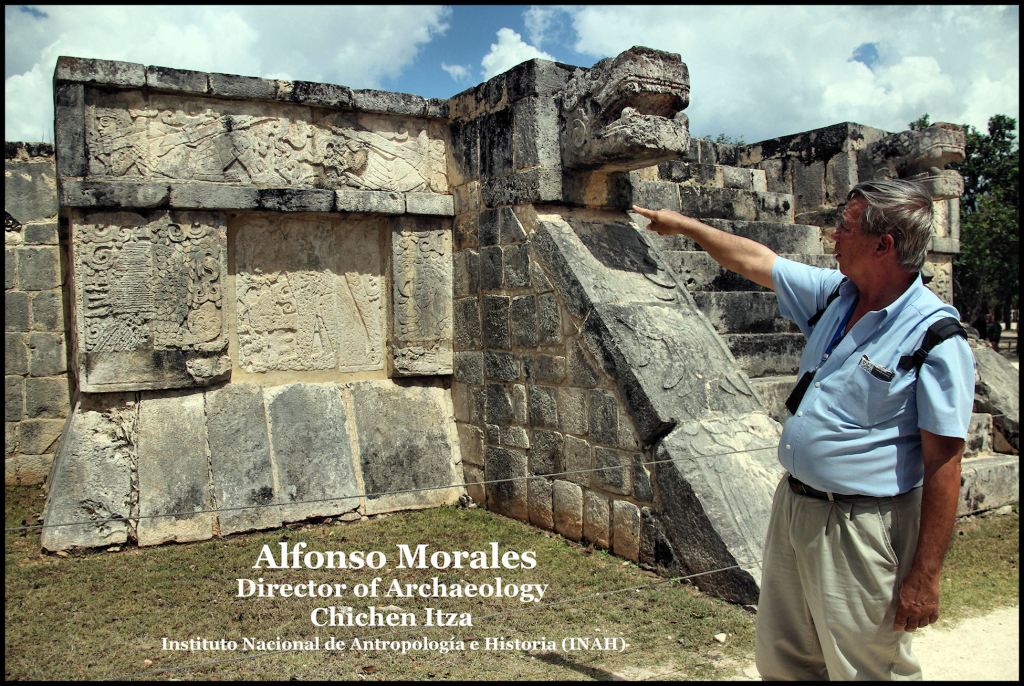
From the premier of “America Unearthed” – Alfonso points out details of a bas relief that are very similar to Creek Indian art at Etowah Mounds in Georgia.
Life is stranger than fiction
Alfonso Morales, Director of Archaeology at Chichen Itza was a key member of the cast of the premier of “America Unearthed.” However, I did not know anything about Alfonso being on the program, until I watched the premier in December 2012.
It was Alfonso, who was filmed stating, “That the Mayas traveled to and settled in Georgia and Florida many times is a fact, not a theory. We now know that important chiefs from there also visited Chichen Itza!” It was due to Alfonso’s connections that the History Channel’s film company was able to obtain any sample of ancient Maya Blue stucco.
You see . . . Alfonso grew up at Palenque. His father was my tour guide at Palenque. His Canadian mother cooked my meals at the Palenque Inn, which she and her husband owned. Alfonso was an adolescent at the time and served our table.
With me at that incredible tour of Palenque was David and Linda Schele from Mobile, Alabama. David was an architecture professor at the University of South Alabama. Linda was in graduate school, studying art. He had been awarded a grant to photograph some Maya cities.
The only color slide that I have of me now at a Maya city site was taken by Linda at Labna. Ana Rojas was at the restrooms at the time. Below is a snapshot I took of Linda, when she saw her first Maya inscription at Palenque.

As I was taking the snapshot, I yelled to Linda, “You look like Inspector Clouseau in the “Pink Panher” movies!
While at Palenque in August 1970, we ran into National Geo archaeologist and photographer George Stuart. He was photographing the famous stone bas reliefs in the courtyard of the palace. At the time, however, he merely introduced himself as an archaeologist from South Carolina. After I went off to photograph Palenque from a mountain top, David and Linda went back to chat with George. The experience caused Linda to change her major from art to anthropology.
I did not start becoming good friends with George Stuart until 1983, when he photographed my North Carolina farm for a National Geo book on the Appalachian Mountains. Also, in the 1980s, Linda collaborated closely with George & Gene Stuart’s son, David . . . the team that finally translated the Maya writing system.
Unknowingly, the History Channel’s film company scheduled the filming of the America Unearthed premier at my rental cabin on the exact 40th anniversary of me meeting archaeologists Román Piña Chan and Ignacio Bernal for the first time.
As I said, Life is Stranger than Fiction!
 The Americas Revealed
I’m infinitely curious about how things work and how they fit together. I might have been Mayan in a previous life. Your posts show you have lots of experience researching early American human habitation.
LikeLiked by 1 person
Hi Richard
I went to Hog Mountain Mine near Lagrange Ga about 4 years ago to dig for semi precious gems. All over the site was big pieces of mica, some almost the size of my hand. It was in sheets and smaller broken up pieces. Some was close to the color of the old Coke bottles, a greenish tint , and some was a light blue. Most mica I have seen at Trackrock was Grey and silver colored. Hog Mountain is very close to the Chattahoochee/Flint river system.
Anyone traveling the rivers had to pass through this area. Since I have been to the mine I have wondered if the Mayan used the area to mine mica. I can’t imagine the Mayan not finding the deposits since mica was important to them.
You can visit Hog Mountain Mine and go gem grubbing when they are open. I found some nice smoky quartz and some nice clear quartz pieces as well as the mica.
LikeLiked by 1 person
That’s right! And you know the Georgia Gold Belt extends down the Carroll County and northern Troup County then crosses into Alabama. The Creeks were panning and mining for gold in that region two decades before the official announcement of the Georgia Gold Rush.
LikeLike
Yes sir you are right. The Stockmar Mines at the Pine Mountain gold museum in Villa Rica is a good place to learn about gold mining in that area.
They say there is a huge amount of gold there still, its not economically viable to pull it out.
You have also written about all the Georgians that went to California in the 1849 gold rush that mined in the hills where the gold veins were because they knew hard rock mining. Those guys pulled a lot of gold out of them thar hills.
Keep up the great work Richard!
LikeLiked by 1 person
Have you seen my video on the Georgia-California gold connection? It was funded by the California Arts Council.
LikeLike