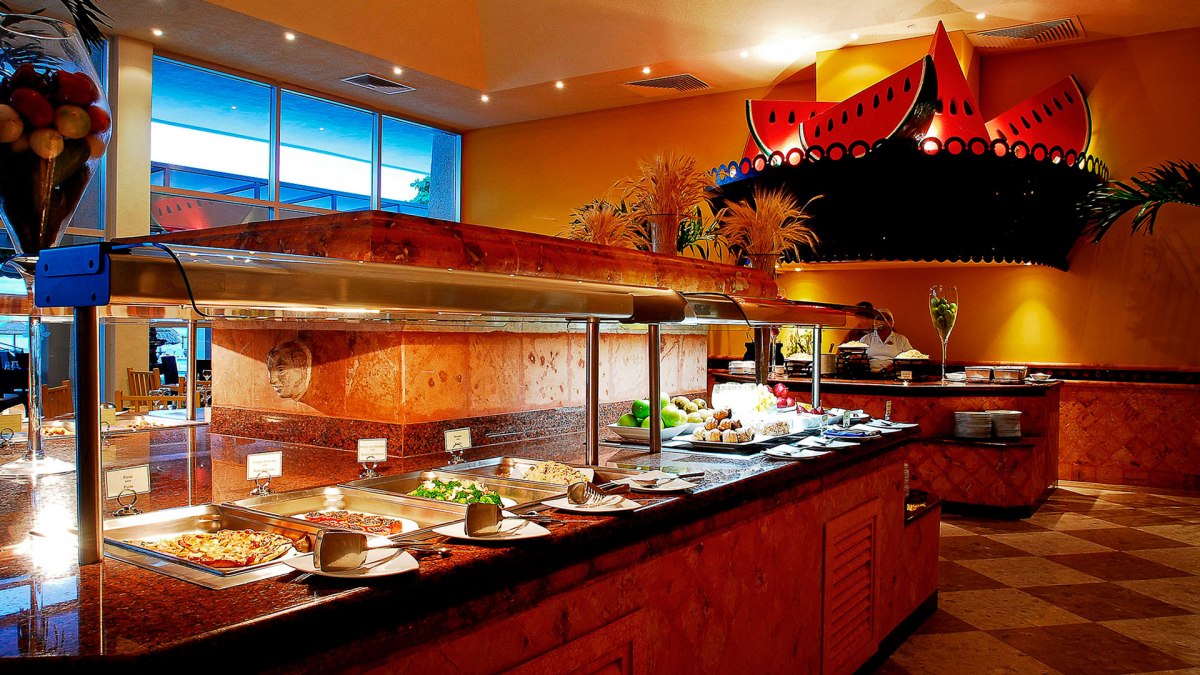
The first time that I ever ate Mexican cuisine was my first day in Mexico at this buffet restaurant in Colonia Coyoacan, Mexico City – June 21, 1970.
It was the Dawn of the Age of Aquarius.
As I walked into the enormous restaurant above, I was dumbfounded by the sophisticated decor and the sheer scale of traditional Mexican dishes that I had never seen or even heard of. I had seen tortillas and tamales in the movies, so somehow expected that, along with beans, they were the extent of a typical Mexican diet. Now we had some Cuban restaurants in Metro Atlanta,but still I had never seen a mango or papaya in person.
In truth, Mexico City was one of the most sophisticated metropolises in the Americas. The Atlanta of 1970 quickly seemed quite provincial in comparison. At least Atlanta had the nation’s largest hippie colony in Midtown. . . but civic leaders were trying to get rid of it, despite the international tourism that it drew.
by Richard L. Thornton, Architect and City Planner
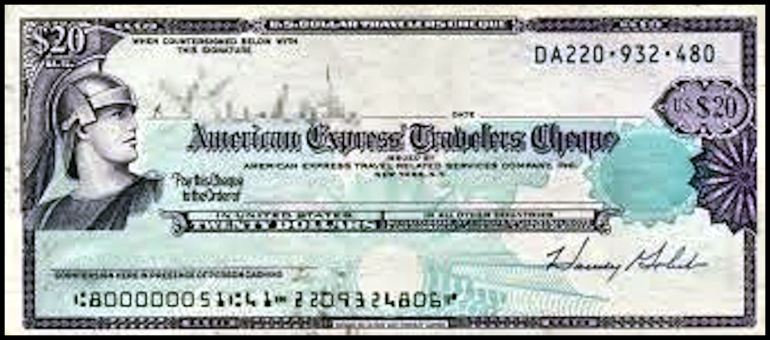
It was a time that is now Gone With the Wind . . . both in Mexico and the United States. Gasoline company credit cards were widely used by adults with jobs, but unavailable to students, unless in their parents’ names. Only wealthy people owned general credit cards and debit cards were unknown. Students could only own general credit cards in their parents’ name. Many businesses in the USA and Mexico did not accept credit cards. US Credit Cards could only be used in some Mexican banks and hotels. Thus, I had to carry with me all the money I would be spending during three months, in the form of American Express Travelers Checks.
In both nations, you could hear music everywhere you went – mostly, each nation’s version of pop and country music. There was music on the car radios, music along the sidewalks, music in the stores and definitely, music from a tape player in your dorm room, when you made our on Saturday Night with your significant other. I recently bought a Crosby, Nash, Stills and Young CD recently. Hearing the music brought back so many memories of the girls from long ago in a time our lives when passing in college and getting a date on Saturday night were my two main concerns.
Young men and women in the United States really liked each other back then. All the barriers against women obtaining degrees in the professions had been removed. The laws had recently been changed that allowed all women to obtain birth control, regardless of age or marital status. A variety of birth control methods were free for all students at the Georgia Tech Infirmary.
Latin American women had always liked men, but a significant portion of the young men still viewed women as property. Thus, free-spirited, educated Mexicanas eagerly embarked on relationships with men from North America and Europe, who treated them as equals. This was the situation with all three love relationships I had in Mexico during the 20th century.
In 1970, there was still a law in place that only married or previously married women in Mexico could obtain birth control pills. This was especially ironic, since at that time all birth control pills in the world were made from the Mexican Wild Sweet Potato. Daughters from wealthy and upper middle class families solved that problem by having doctors in Houston, Texas or Havana, Cuba. Blue collar gals took chances that sooner or later ended up in quick marriages.
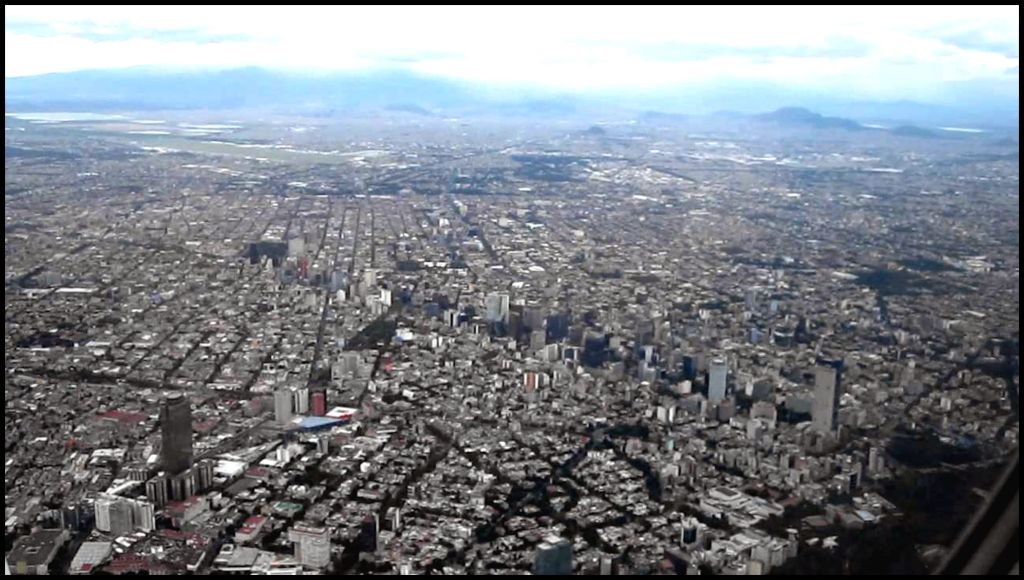
Even in 1970, the Distrito Federal stretched as far as one could see. The moment that my Eastern Air Lines jet entered the air space over Mexico City, I realized that this fellowship was the craziest thing that I had ever done. I had never been in a foreign country . . . never been farther west than Birmingham, Alabama or farther south than Tampa, Florida, but here I was going alone into an entirely different world than I had ever known.
I couldn’t even speak Spanish! The Georgia Tech Architecture Faculty had loaded so many extra courses on me in the last six months in preparation for the trip, I had not had time to take an introductory Spanish course or even listen to an “Introductory Spanish” tape. The first time I ever rode in a taxi was the one from the Mexico City airport to a “pension”in Colonia Coyocan. Realizing that I knew nothing about international travel, the Mexican Consulate in Atlanta had made reservations for me at something called a pen-se-ON.
The term originally applied to what we would call a boarding house, whereby a widow would rent out rooms of a conventional house in order to survive. My pension appeared to be a mansion that had been gutted then rebuilt on the inside to be one-bedroom apartments with private baths.
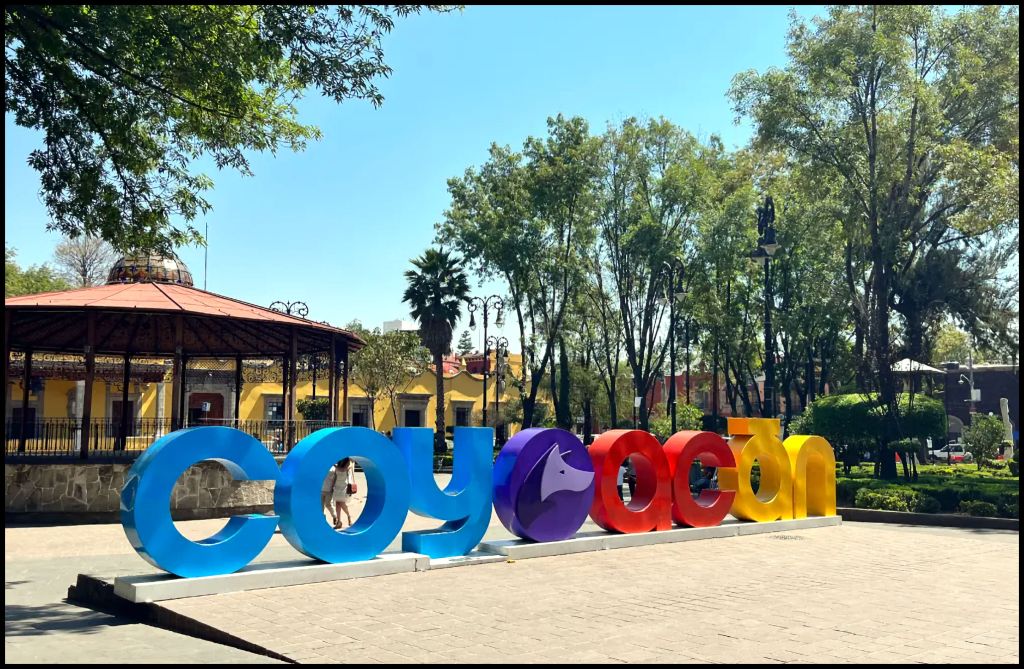
Coyoacan means “Place of one who owns coyotes.” The town predates the arrival of Aztecs.
I had barely had time to utilize the bathroom in my pension, when a there was a knock on the door. I opened the door to see a smiling, distinguished looking Latin American man in his late 20s. He introduced himself as a medical doctor in Venezuela , who visiting his kid sister. She was a student at the national university in Mexico City. He showed me her photo. She was a 10+, who easily could have been Miss Universe. He invited me to join him for lunch at the buffet restaurant across the plaza.
As stated above, I was astonished at the decor and dishes offered at this restaurant. The only things that I recognized were the seafoods, salads and fruits. He recommended the giant shrimps. He said that they were safe, if you sprinkled lemon juice on them. I figured that a doctor would know what was good and what wasn’t.
As I went back into my room after the meal, the doctor told me that he would contact his sister and arrange for us to meet in person later that week. I next called a number, given me by the Mexican Consulate in Atlanta. It was the home of a young woman, who had worked as a secretary at the consulate, but now was a sales rep for a posh hotel on the Paseo de la Reforma. Her boyfriends typically drove Mercedes-Benz’s .
Sr. Soto invited me over for diner than night. His two daughters and I immediately made friends. We danced for a couple of hours to their new Credence Clearwater Revival album. I was invited to spend the night in Ruth’s room, while she would sleep in Gionela’s double bed.
During the night I became violently ill and through up all over Ruth’s room and clothes. By morning, I was paralyzed. The Soto’s called a doctor. I had an often fatal form of salmonella, carried by Gulf Coast shell fish in the summer months. Professor Soto’s pharmaceutical plant packaged a type of antibiotic used against salmonella, typhoid and cholera. Without those antibiotics, I would have been seriously ill for weeks and could have possibly died. The Soto’s invited me to be based at their hone for the remainder of the summer, if I agreed to let them accompany me on my visits to archaeological sites in Metro Mexico City. Of course, I said, yes.
Professor Soto retrieved my belongings from the pension. When I unlocked my suitcase, I noticed that things were not in the same order as I left them. Someone had gone through the contents, but not stolen anything. There was only one item that could have revealed my secret mission in Mexico and Guatemale , , , the address of a Guatemalan man, who had graduated from our NROTC unit, but now was an officer in the Guatemalan Navy. I was to make contact with him in Guatemala City.
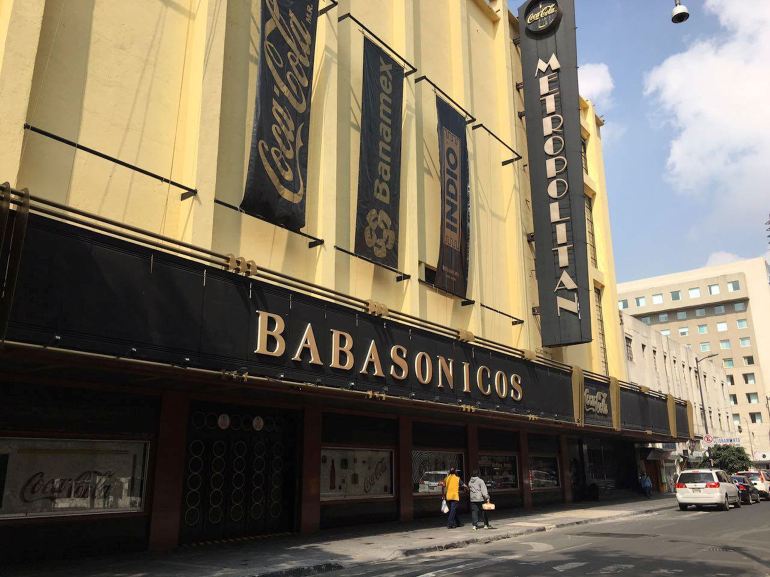
Teatro Metropolitan in Mexico City
On July 3, The Soto Family and I attended Ruth’s high school graduation at Teatro Metropolitan in the Centro. As we were passing through the inner exit door, I spied the Venezuelan doctor’s “sister” on the edge of the relatively narrow sidewalk, scanning people coming through the outer exit door. There is no way that the doctor could have known that I would be at the graduation. I had not even called the Soto’s when we parted ways. This was some sort of set up . . . but who?
The 10-rated Venezuelan senorita recognized my face, smiled and started walking toward me. At that moment, Ruth called for me to meet her neighborhood friend, Alicia, who was two years older than her and two years younger than me. There was instant chemistry between Alicia and I. The Venezuelan senorita stood at a distance for a while then walked away. I never saw her or the doctor again.
As for what agency was responsible for making me deathly ill, I will never know. It was probably the Soviet KGB or Cuban Dirección de Inteligencia. I never had face-to-face contact with any uniformed Naval Intelligence Officer. Because of a 20-year Non-Disclosure Agreement, I could never discuss the matter with Naval officers at Georgia Tech.
My French soulmate, Vivi, was covert Surete’. She did some checking and found out that the US Navy was trying to stop the Nixon Administration from starting another “Vietnam” in Central America without Nixon and the “War Hawks” knowing about it. My low profile, friendly visits to guerilla camps was part of that effort. All the Maya insurgents were pro-democracy and wanted closer trade ties with the USA. Maya school teachers were giving English classes to them.
The events smelled of the type tactics used by the KGB to recruit new agents. They would have just made me disappear in Mexico, if they wanted to stop my mission. If they didn’t suspect anything, the doctor would have saved me from a terrible illness, so I would trust him. He then would introduce me to his hot “sister.” She then would have a legitimate reason for frequent visits to the USA or perhaps, we would get married eventually. If they were not able to “turn me” into a Communist spy, they at least would have a beautiful woman imbedded inside the United States, eventually with U.S. citizenship.
Life is indeed a box of chocolates.

