Landskrona, Sverige ~ Sommaren 1972
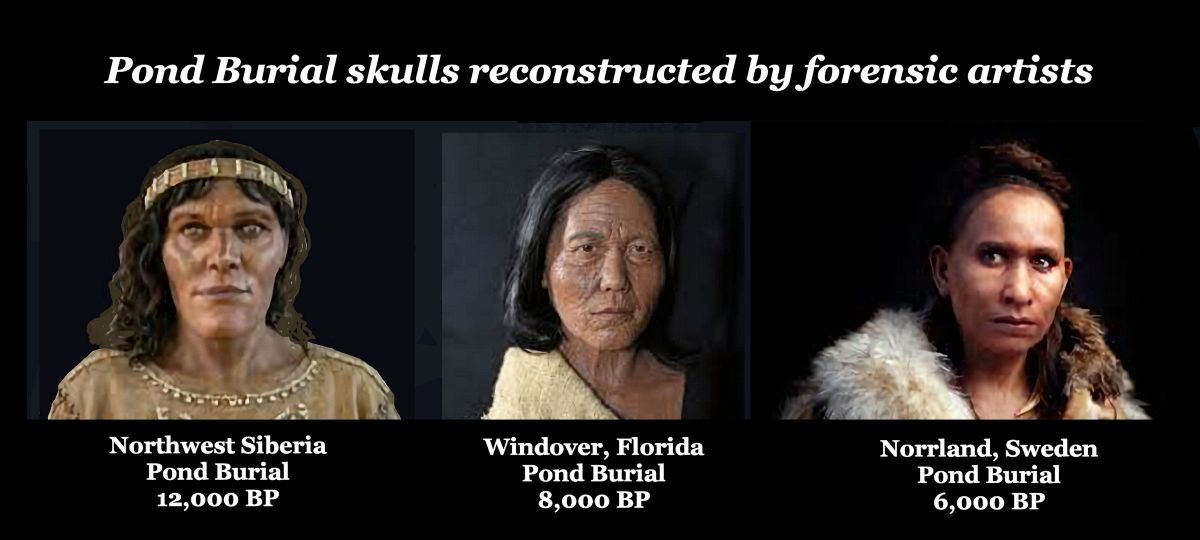
Ancestors of the Sami were already living in Florida, when their relatives were beginning to settle Sweden – c. 7,500 BC! Obviously, the Sami had first entered eastern North American at some time earlier.
For over two decades, Creek descendants, particularly those from branches of the Creeks in Georgia, South Carolina and Florida (aka Seminoles), who managed to avoid deportation to Oklahoma, have been puzzled by the presence of Sami, Finnish and Scandinavian ancestry in their DNA reports. This DNA was labeled “Post-Columbian,” but they had no known ancestors, who immigrated to North America from Scandinavia during the period after the Columbus voyages.
There are several key Scandinavian words in the Muskogee-Creek language, so obviously some Scandinavians settled in Georgia and South Carolina prior to Columbus. However, Scandinavian is Northern Germanic. Sami and Finnish are in an entirely different language family that originated in northwestern Siberia. Sami words and customs are part of the Uchee cultural tradition, however.
Norwegian and Swedish archaeologists have recently discovered that the Northern Sami were skilled mariners and boat-builders, going back thousands of years, who actually taught the Scandinavian how to build boats capable of navigating the oceans/ Before the Vikings were the Sjo Sami !
The Sea Peoples of the South Atlantic Coast series
Slide Show
by Richard L. Thornton, Architect & City Planner
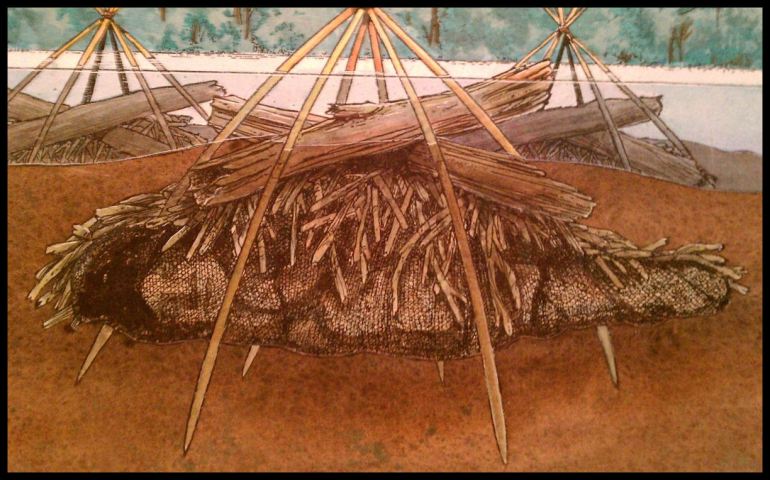
The same tradition of wrapping the bodies of the deceased with fishnet-like fabric then staking them to the bottoms of shallow ponds was practiced at the same time by the same people in northwestern Russia, Karelia, Finland, eastern Sweden and the Southeastern American Coastal Plain. The practice of underwater burials dates at least back to the end of the last Ice Age and seems to have originated east of the Ural Mountains Region of Russia. I have no clue why the archaeologists in Florida have never gone on the internet to find out that fact. They do admit now that the original people buried at Windover Pond were from “Western Asia” and were not “American Indians” from Siberia.
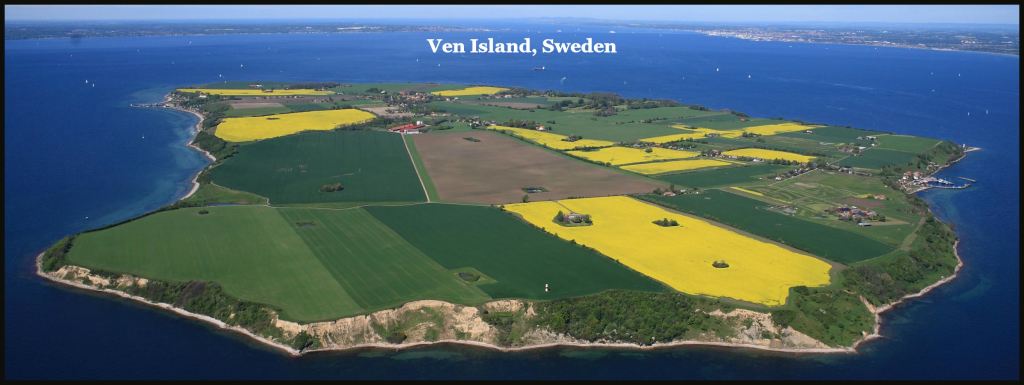
Ven Island in the Oresond Channel between Sweden and Denmark was Ground Zero during the Scandinavian Bronze Age. Beginning in the Neolithic Period, large herds of sheep, goats and cattle were grazed here. During the Bronze Age, Iron Age and Viking Age, Ven was a major international trade center.
Hey Y’all! When I graduated from Georgia Tech, I didn’t know what a Sami was . . . then two weeks later I learned that I ARE one!
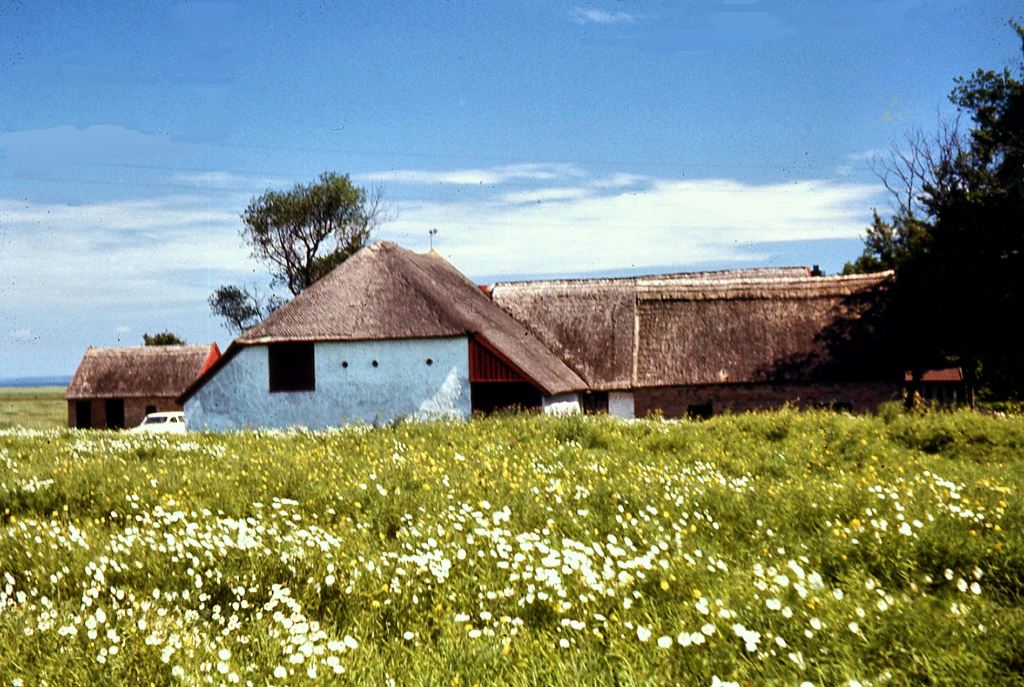
Yep! Talking about culture shock . . . I gained the subline wisdom that only anthropologists have, the good ole fashion way. First, on Saturday, June 3, 1972, I graduated from Georgia Tech. On Monday, June 5, 1972, I was assigned by Gunnar Lydh, City Architect of Landskrona, Sweden the project of designing a pedestrian village on a wheat field near a Late Medieval farmhouse.
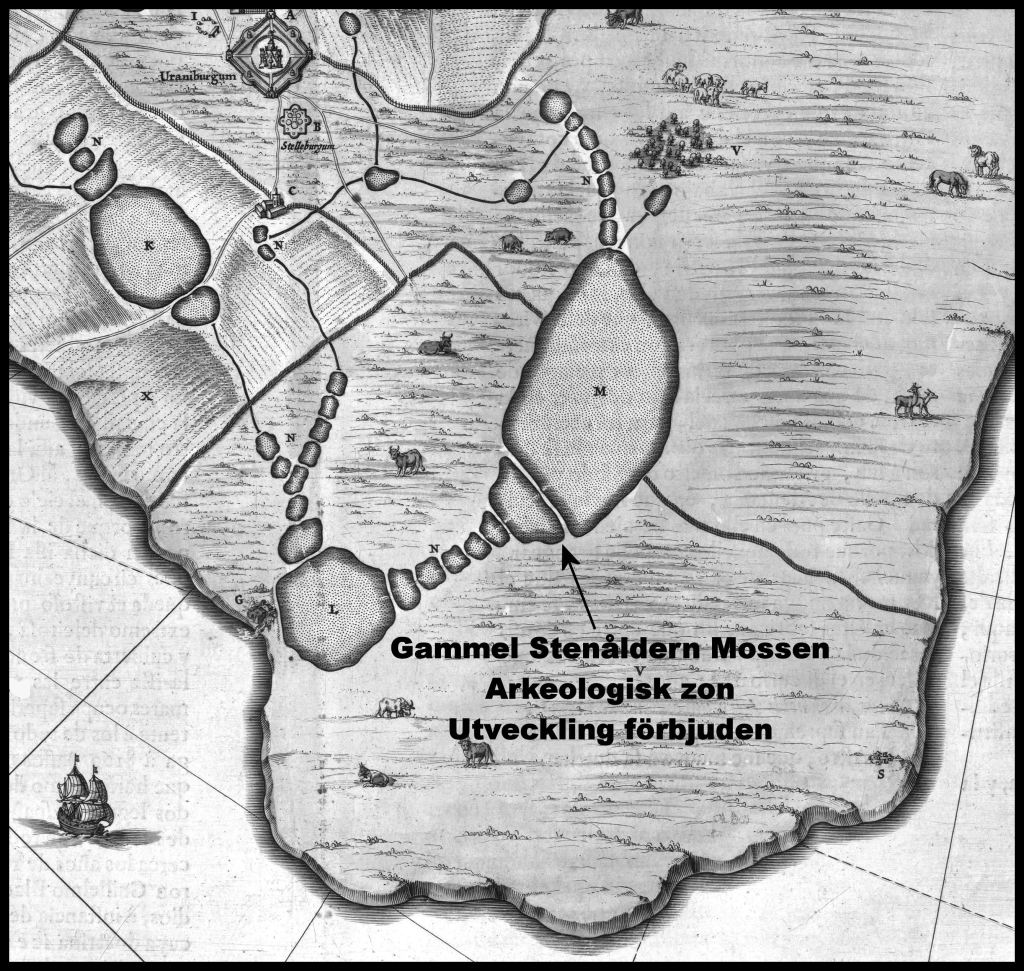
Then, then the next day, Gunnar was informed by our two staff archaeologists that what appeared to be a dry wheat field was underlain by a series of ceremonial ponds that were chock full of Neolithic burial and Bronze Age weapons, plus probably, some Bronze Age and Iron Age sacrificial victims. Danish farmers had been finding mummified Iron Age sacrificial victims, but no Neolithic burials. The much older Neolithic burials are only found in Sweden, Finland and Russia Of course, there might be some in Denmark, but just not unearthed yet.
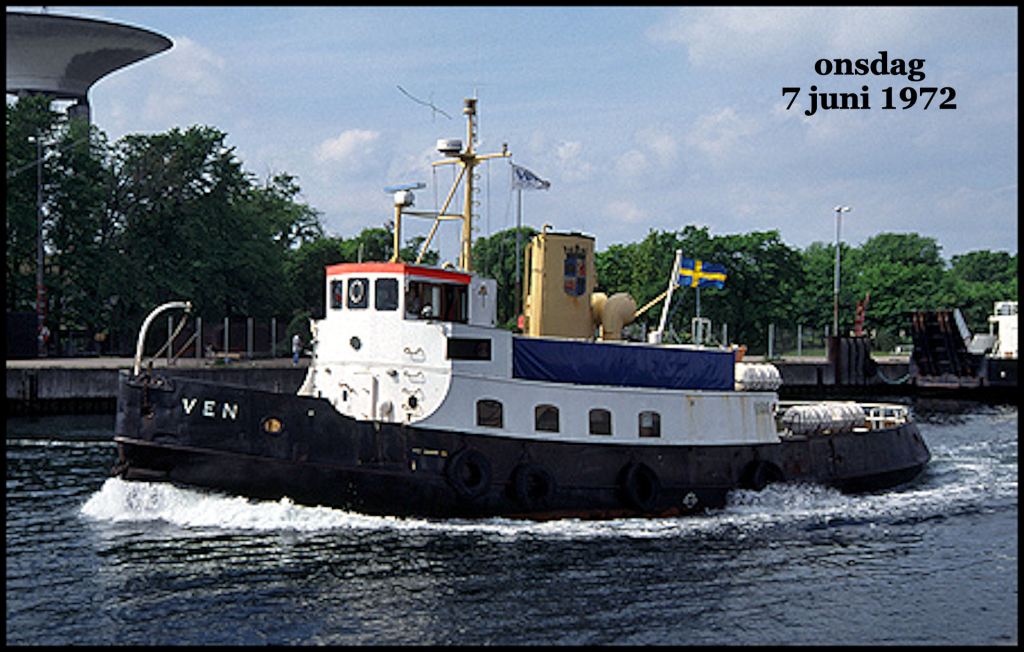
On Wednesday, June 7 we took an old tugboat, converted into a ferry to Ven Island to figure out where to put the pedestrian village. The only location was near an ancient harbor, which served Bronze Age shrines and one of Sweden’s oldest churches. Gunnar pointed out rock carvings that he said were some of the oldest in Sweden. I told him that they were identical to those a girlfriend and I had seen in April at Track Rock Gap in the Georgia Mountains. Gunnar laughed and said that was impossible.

On Thursday, one of the Landskrona City Council members invited me to have dinner with his family and then watch the premier of a new series on Swedish TV about life in the United States. He didn’t know that I was from Georgia. At the end of the program, the journalist predicted that one day, Jimmy would be elected president. Virtually, every week that I was working in Landskrona, then a city of 32,000, some family invited me to dinner in their home.
In contrast, when I moved here to Habersham County in May 2018, GA, the District Attorney and Sheriff’s Department had already embarked on a massive, complex effort to steal my modest fixer-upper house and have me banned by a judge from the State of Georgia via a petition being distributed to county residents. Of course, in such a den of vipers, no one has ever asked me to have dinner in their home. When the house theft thing fell through, several law enforcement agencies in two counties embarked on multi-thousand dollar, multi-year effort to prove that I was gay, since I didn’t believe that “Mein Kampf ” was sacred scripture given to us by God to guide our daily lives.
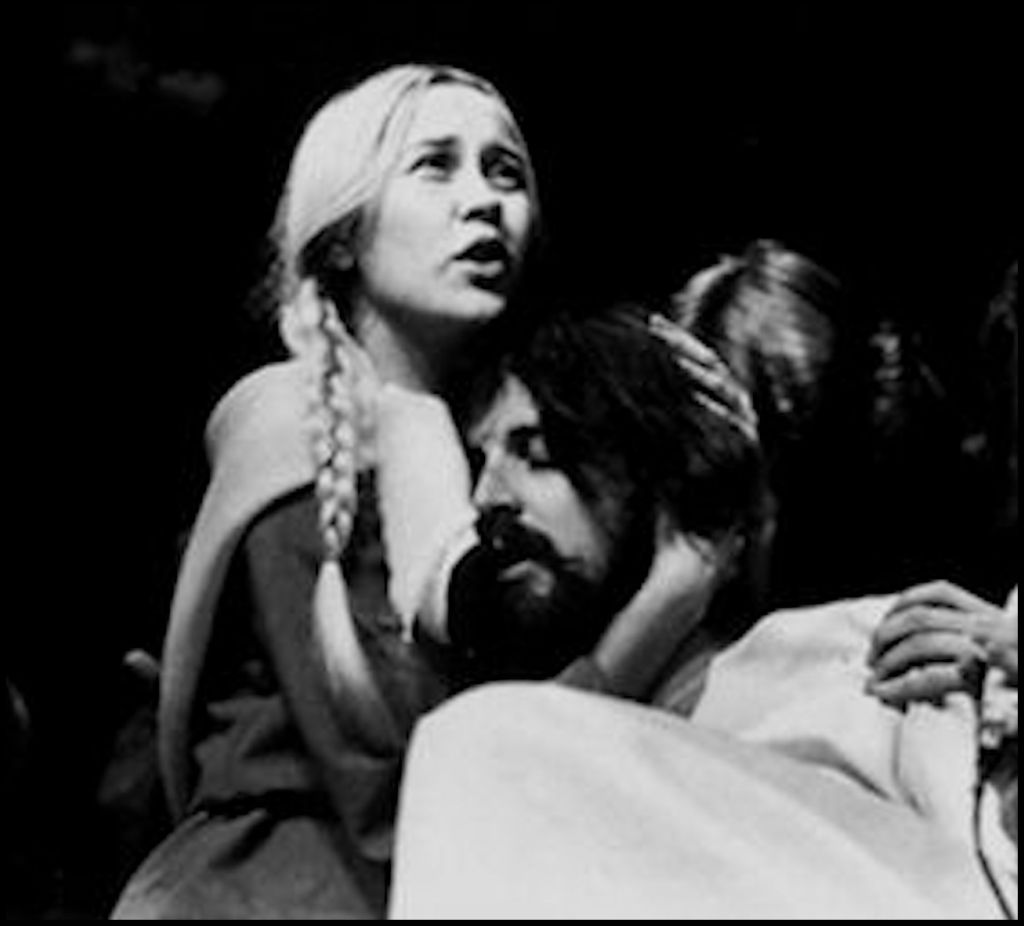
Friday, June 9, 1972 , Gunnar Lydh and his wife invited to join them at the Landskrona Auditorium to watch the film version of the Swedish version of “Jesus Christ Superstar.” I fell in love with the pig-tailed flicka with a voice like an angel, who played Mary Magdalene. While walking home from the auditorium at 11 PM at night and watching the sun set, I asked God why I couldn’t meet a girl like that? (Be careful what you ask for under a Midnight Sun.)
On Saturday, June 17, 1972, I riding my bike frantically from the Tempo Supermarket back to my apartment, so I could get dressed for the big Midsommarsfest Dance at Lund University. My official Swedish girlfriend and tour guide, Britt Louise Manson, was picking me up well in advance, because she was in charge of it. She was a law student there and President of the Unversity Division of the Pro-NATO Center Political Party.
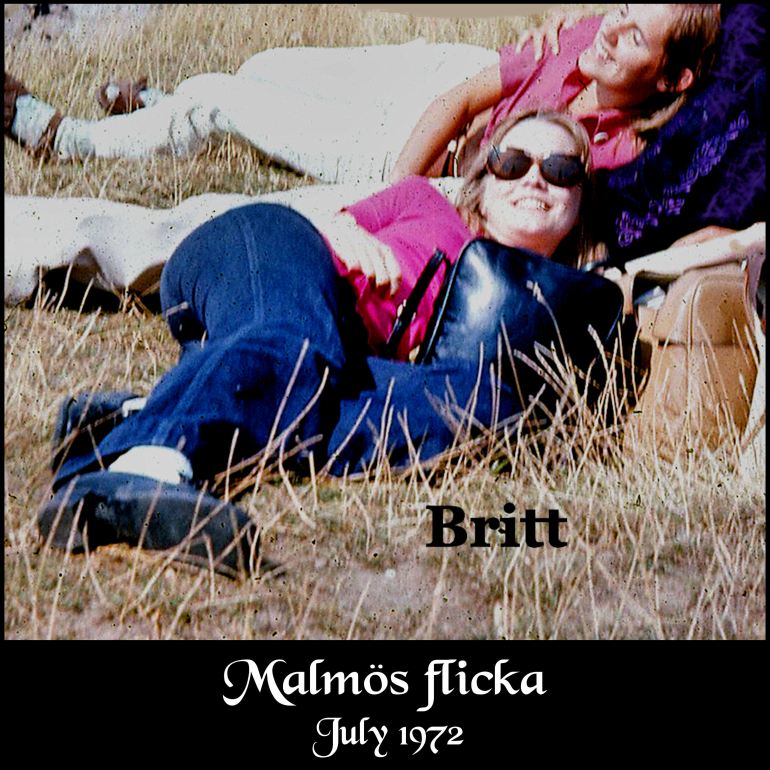
Britt had promised to introduce me to some nice Swedish flickas, who I could go out with. Southern Scandinavia at that time was crawling with blond Soviet spies, pretending to be wholesome Scandinavian flickas. At that time, Britt didn’t think that she could get along with American men because of the Vietnam War. However, in 1972, virtually every /American, even the Naval officers who trained me, were angry that our government had dragged us into that war, but she didn’t realize that.
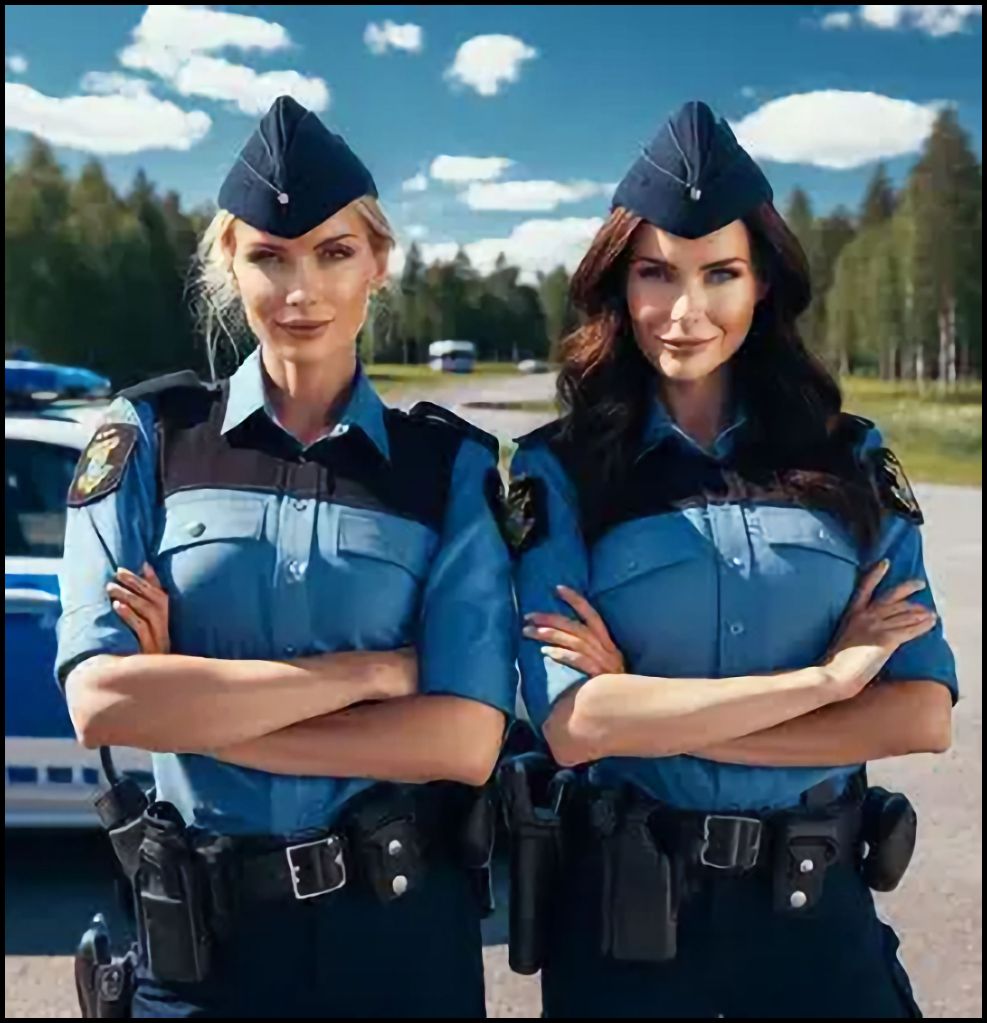
Suddenly, I was stopped by a Landskrona Police Porche patrol car – yes, really. When I saw the two female officers I hoped they were going to say, “Rikard, you have been a bad boy, so we are going to have to spank you!” Nope, they were issuing me a ticket for speeding on a bicycle. I pretended not to understand them. They tried several other languages, but since I was literally the only American in Landskrona, they didn’t think about using English, since I din’t look like either an Englishman or what they thought Americans looked like. I spoke back to them in a mixture of Maya and the Creek Indian names of rivers in Georgia.
Finally, the blond officer said in Swedish, “Look, he is a stupid Northern Sami. They shouldn’t let those morons leave Lapland.” They then tore up the ticket. When Britt picked me up, she explained that Sami was what the Lapps of northern Sweden call themselves. She did add, though, that I really did look like a Northern Sami. She asked me if any of my family had emigrated from Sweden.
Britt was excited because she had booked a band from Stockholm that frequently performed on Swedish National /Television. Sorry, this is an old faded Polaroid photo from that night. They were a big rock band, modeled after the American group, “Chicago” – with trumpets, trombones, saxophones, guitars, an organ, etc.
After the dance, the band, Britt, two of her friends and I went out to eat at a restaurant in Malmö overlooking the Oresund Channel. We sat together at a long table. The long-haired blond singer overheard that I had come to Sweden two weeks earlier from the United States. She asked if she could swap chairs with someone across from me so she could learn more about America.
It was difficult for us to talk, because everyone was being so polite. They would say things in Swedish then translate it into English, so I could understand. She first asked if I had a girlfriend in Sweden. I said no. She then asked if we could go sit at a separate small table, so she could practice her English. I said yes. When I stood up, she said, “Oh you are so tall. That is good. My former boyfriend (Bjorn Ulvaeus) always wore 15 or17 cm (6-7″) tall platform shoes, when we went out, because he was so much shorter than me.”
She told me that she hoped to soon move to the United States. It was her dream to sing on Broadway. Eventually, I figured out that I was sitting across from Mary Magdalene . . . without her pigtails. OMG! She said that I did not look like an American. I told her about being labeled a Sami. She laughed and said that actually, she had some Southern Sami in her.
She was really a sweet kind gal. I didn’t want to tell her that it was not very likely that she would make it into the major leagues in the United States, coming from a pop music band in Sweden that played college dances on weekends. She really couldn’t talk about much except music. She didn’t know where Atlanta or Georgia were. However, you couldn’t help but like her, because of her sweet disposition.
The restaurant closed at 3 AM. She and the brunette singer invited me back to the hotel to continue the evening, but I had no way to get back to Landskrona other than in Britt’s car. We ended up sleeping in Britt’s mother’s apartment. The last time I saw Mary Magdalene was on the beach in Landskrona. She wore her pigtails.
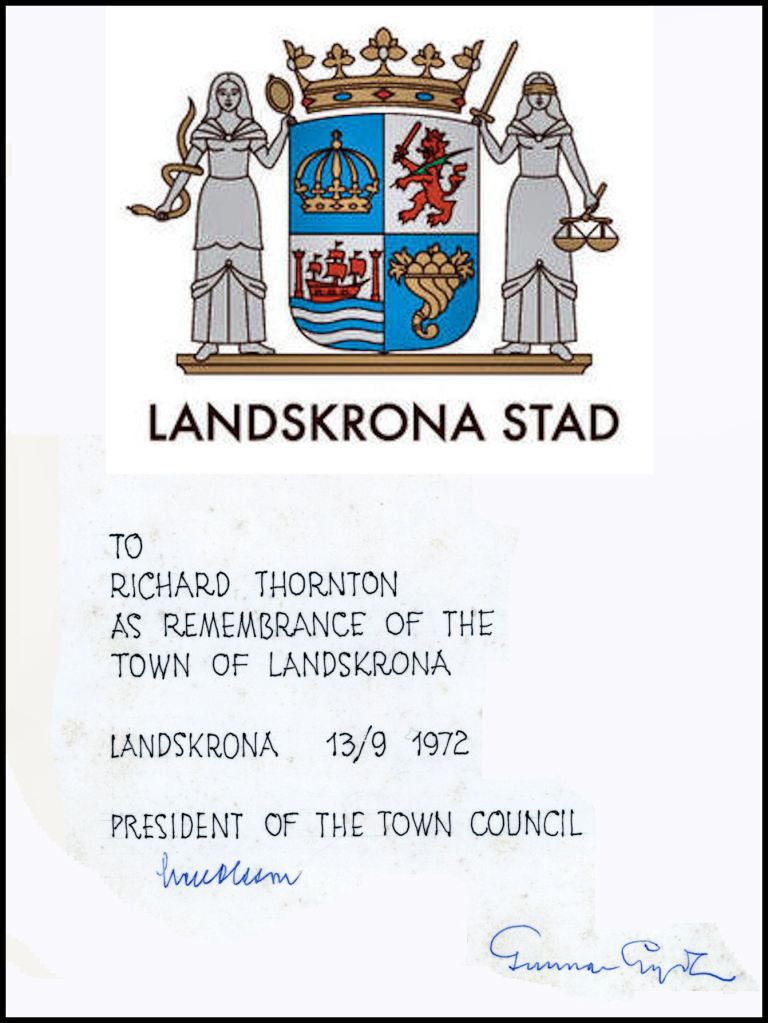
Shortly after I returned to Landskrona after being at Ground Zero at the Black September terrorist attack on the Munich Olympics, the leaders of the city held a ceremony, where they gave me several gifts, including the Seal of the City. The Black September cell that I had been watching down the hall in my apartment building “had gotten the heck out of Dodge City” in August.
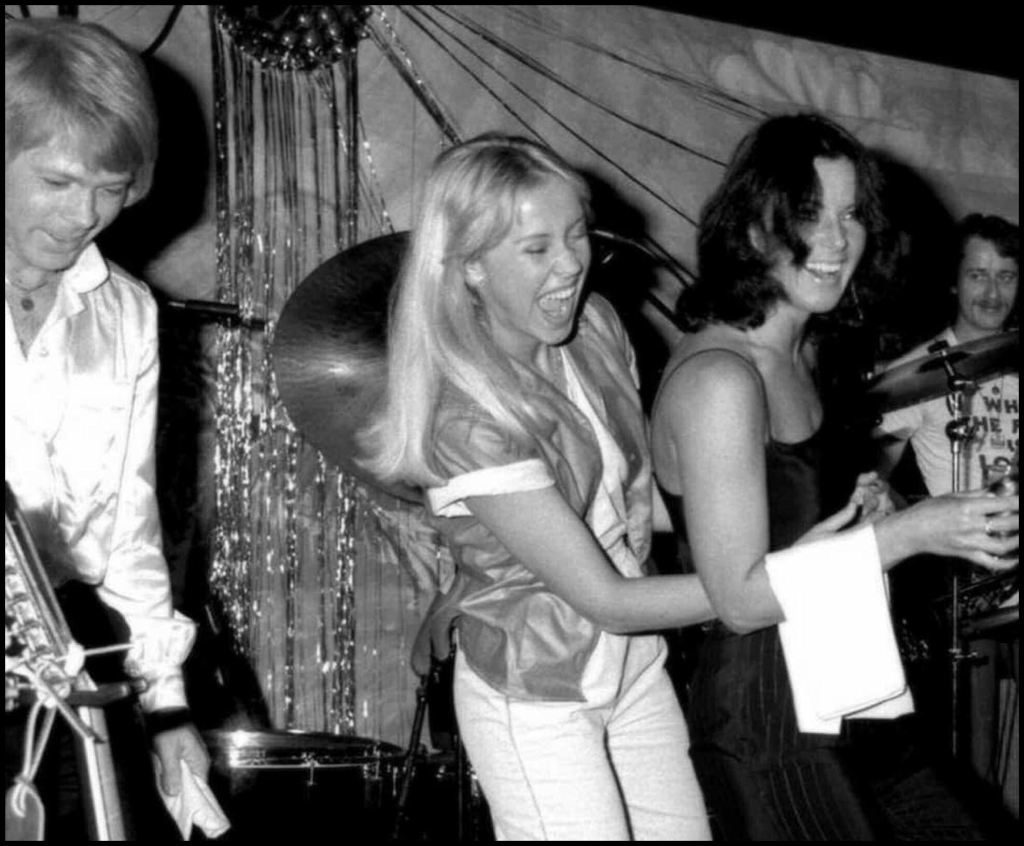
Bjorn, Agnetha and AnniFried at their last public concert on the beach in Landskrona
In August 1972, Mary Magdalene was asked to join the band, named, “Bjorn, Benny och de två svenska flickorna.” (Bjorn, Benny and the Two Swedish Girls. That became ABBA two years later, when it became obvious that the group was nothing without the two Swedish girls. They became the two most recognized young women in the world. Almost exactly seven years later, ABBA performed their last public concert at the Landskrona Strandpaviljong (Beach Pavillion). Life is stranger than fiction. The last song that they performed was “Dancing Queen.”
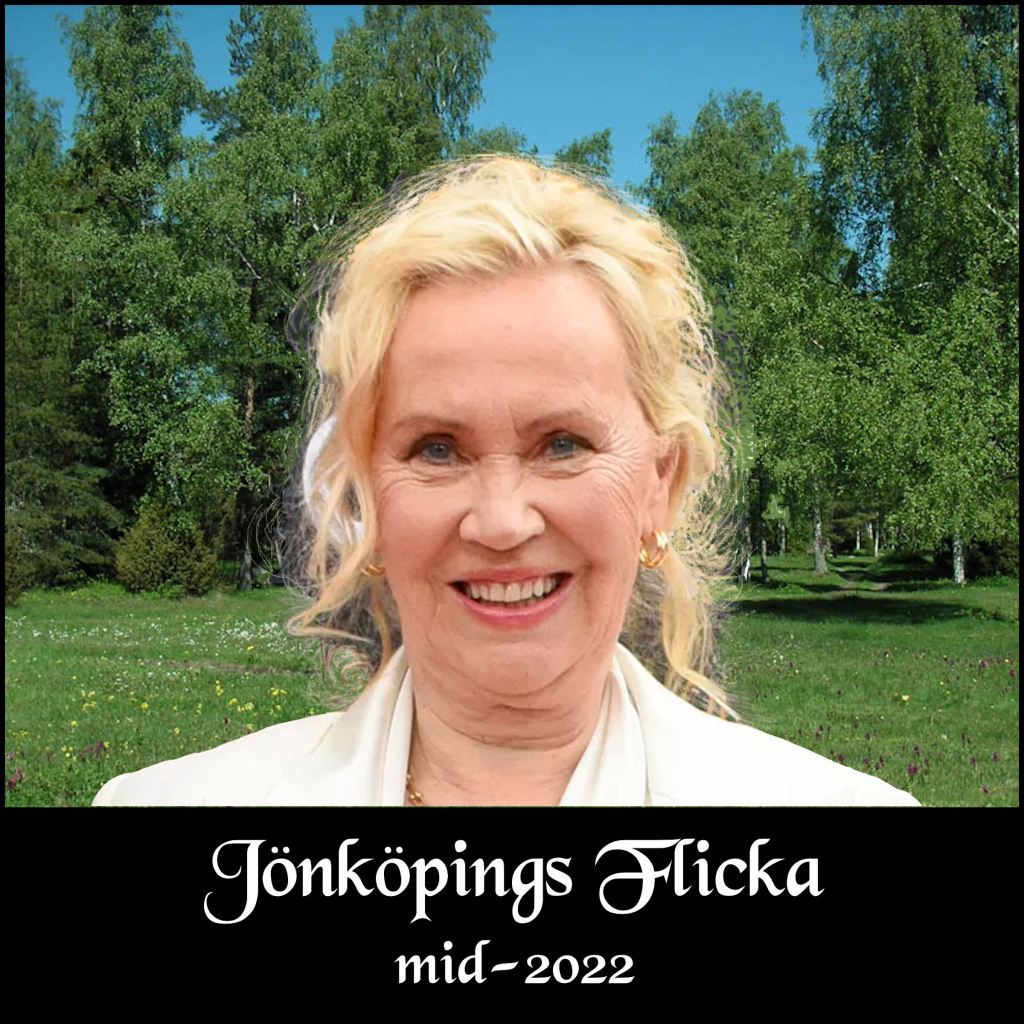
On the morning of June 17, 2022, I turned on my computer to see an official-looking email from the corporate office of YouTube. It contained a notice that I had been sent a Private Video, whatever that was. There was an extremely long legal notice, labeled “Terms of Use for Private Video” afterward stating all the YouTube rules about not making commercial use of Private Videos.
After I clicked acceptance of the Terms of Use, a webpage appeared with a question, Do you accect receipt of a Private Video from Jönköpings Flicka?
Jönköpings Flicka? I had traded messages on Linkedin with some female architects and planners in Sweden, but none lived in Jönköping. Then I remembered that Agnetha had grown up on a farm near Jönköping then when her music career began to blossom, she lived in the city for awhile.
Sure enough, it was from Agnetha Faltskog. She had filmed a chat from the farm, where she grew up (background of screen shot). The theme of her message was “The Summer of 1972.” She opened by admitting that she had forgotten my name. She had actually spent more years performing at dances than in ABBA. She had fond memories of meeting wonderful people at the dances, but couldn’t remember their names.
I presume that she had run accross one of the TV programs, I had been on, which are now on YouTube or perhaps she watched one of my videos about the cultural connections between Bronze Age Sweden and the Georgia Gold Belt. Whatever the case, she had the name to persuade YouTube employees to track me down.
No problem! I couldn’t even pronounce her name after only being in Sweden two weeks, and probably would have forgotten her first name, had she not become internationally famous.
She said that in the summer of 1972, she was just a simple country girl, who knew nothing about the world outside Sweden. She had dropped out of school at age 16 to focus on her music career. Hence the reason that we could not have much conversation other than about music. Fortunately, while in high school, I had been the drummer in a rock band.
Agnetha said that she felt uncomfortable being made a role model for young women around the world and in reality, the fantasy of many a young man in the 1970s. I think she deserves to be a role model. She was a very sweet lady, when I met her and she is obviously a very thoughful person to go to all that trouble to film a video at her childhood farmstead on the 50th anniversary of us meeting.
It’s not like we were ever in a relationship. This was a brief time of two young people’s paths crossing, while going in different directions. I am quite honored to have known her back before she was the blond A in ABBA.
Of course, none of the deputies and cops monitoring my phone and internet were even alive, when I was in Sweden. Most would not have a clue who ABBA was. However, I started playing ABBA Youtube videos and they quickly realized that they had wasted a whole lot of taxpayers’ money trying to prove that I didn’t like women. LOL That nonsense came to a screeching halt. Thank you Agnetha and the people of Landskrona for your many kindnesses.

