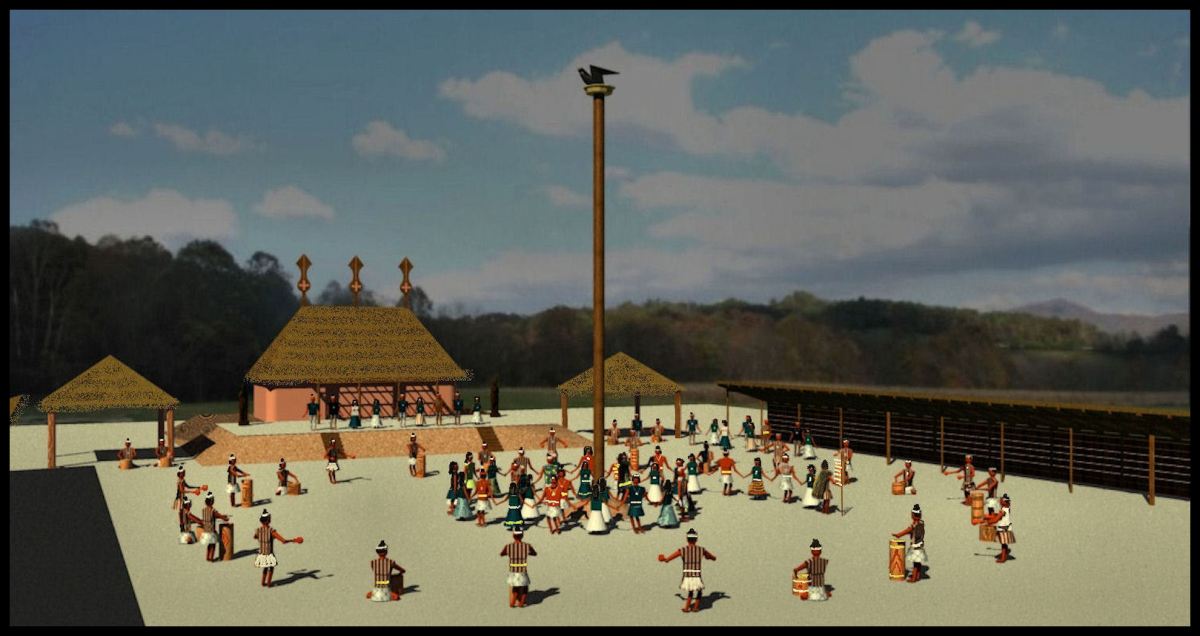
There STILL have not been any DNA studies carried out to create Pre-Columbian DNA markers for genetics labs or even of the Southeastern Creeks and Seminoles today.
The documentary did not specifically state what the genomes were for living Muskogee Creeks in Oklahoma or the Pre-Columbian skeletons unearthed at Etowah Mounds. It merely stated that Oklahoma Creeks had different genetic profiles than the ancient residents of Etula (Etowah Mounds). There were four distinct occupations at Etowah. My family’s AmerIndian DNA is all from southern Mexico and eastern Peru. We COULD be direct descendants of one of the four occupations.
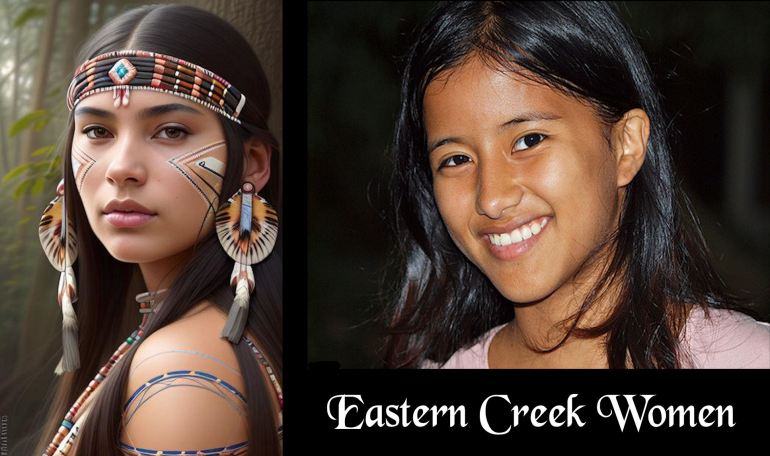
What the creator of the documentary and the Southeastern university profs don’t realize is that there had been much intermarriage between divisions of the Creeks and Creeks with other tribes – particularly Cherokee, Apache and Shawnee over the past two centuries of their residing in Oklahoma.
In contrast, Eastern Creeks and Seminoles have tended to marry Creeks and Seminoles with similar genetic profiles or else people of distinctly different races. So, genetic testing of Eastern Creeks provide a much more accurate measure of the situation prior to contact with peoples from the Old World.
You will notice that the spokesman for the video repeatedly state that anthropologists don’t know what happened in the 1600s. That is just not true. The anthropology professor, he quotes was a student of Professor Charles Hudson, the man who created this myth. Over the years, i have provided readers of the extensive information on this period, derived from French, Dutch and Virginia eyewitness accounts. These are far more detailed and accurate than the Spanish sources, relied on by Charles Hudson.


Richard,
Very informative and supportive of your own suggestions about Creek origins.
Joe
LikeLiked by 2 people
Clan exogamy: A man and woman from the same clan were generally not allowed to marry. They were expected to marry someone from a different clan because members of the same clan were considered relatives.
Matrilineal society: The Creek traced family lineage through the mother’s clan. Children belonged to their mother’s clan, and maternal relatives played an important role in their upbringing.
Community approval: Marriage was often supported by the families and the wider community, not just the couple.
LikeLiked by 1 person
Clan exogamy: A man and woman from the same expected to marry someone from a different clan because members of the same clan were considered relatives.
Matrilineal society: The Creek traced family lineage through the mother’s clan. Children belonged to their mother’s clan, and maternal relatives played an important role in their upbringing.
LikeLiked by 1 person