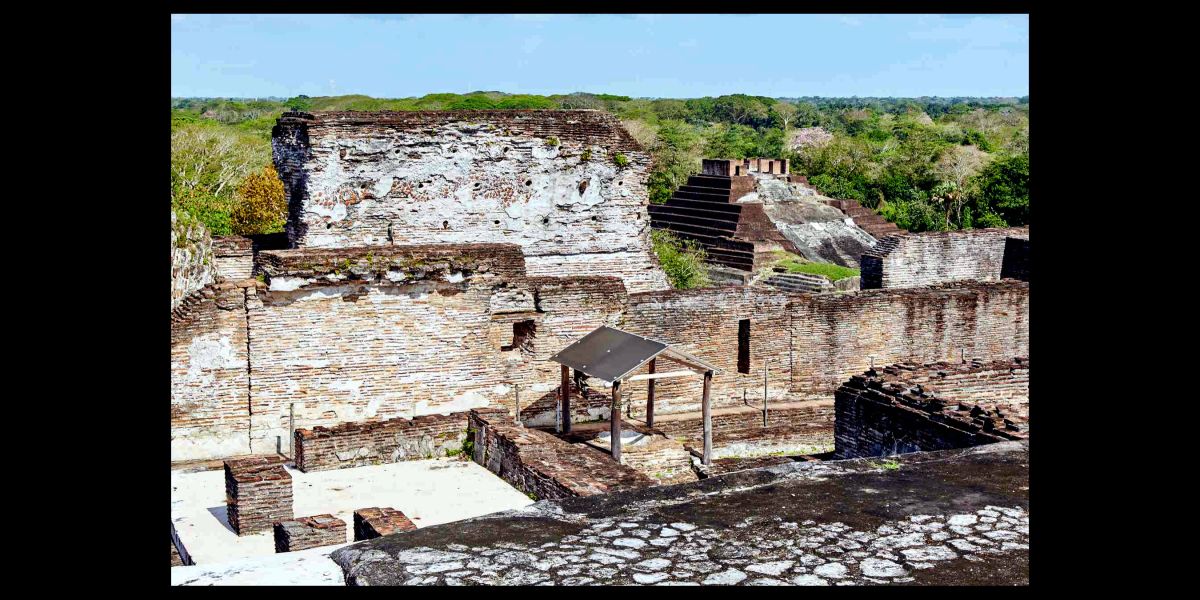
From roughly 500 AD to 1000 AD, this Chontal Maya city dominated the cacao trade in Mesoamerica.
Comacalco was the only Indigenous city in the Americas that was constructed with kiln-fired bricks and hydrated lime mortar. Its earliest rulers are portrayed with European features, but subsequent generations were portrayed with Indigenous Mesoamerican features. The archaeological museum in Comalcalco clearly portrays the difference in its exhibits, but makes no comments concerning the obvious conclusion.
by Richard L.Thornton, Architect & City Planner
All photographs are from the INAH or Comalcalco Museum.
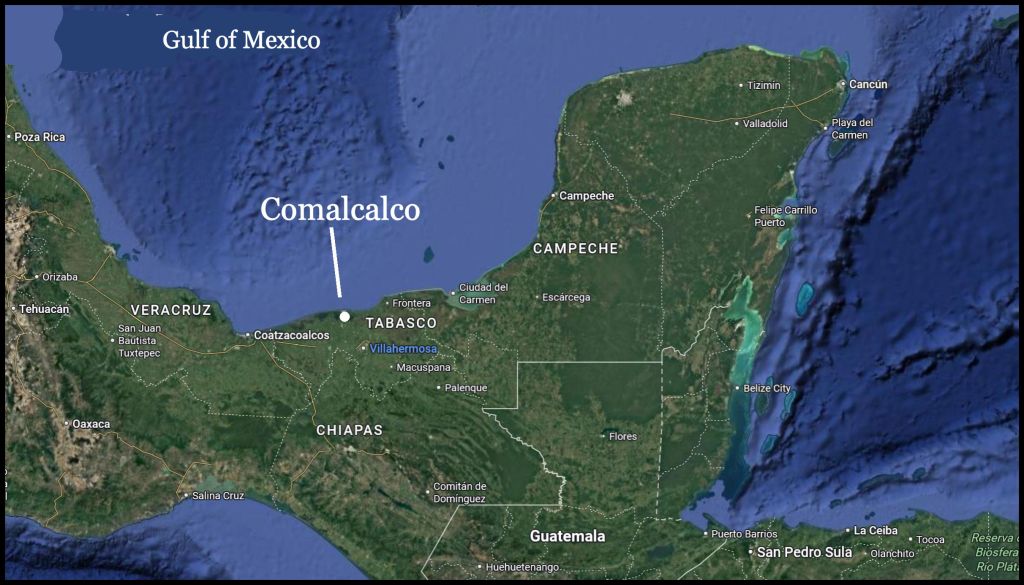
The site was for many centuries a small village dating back to the “Olmec” Civilization.
Very honestly, I didn’t know that Comalcalco was built out of kiln-fired bricks and mortar made from fired oyster shells until last night. Back in 1966, my future fellowship coordinator, Dr. Román Piña Chan, was the Supervising Archaeologist for the excavation and restoration of Comalcalco’s ruins. However, four years later, he never mentioned the city and did not assign a site visit there in my syllabus.
Actually, I spent part of a day in the Centro of the Colonial city of Comalcalco. I don’t recall any signs mentioning this site and the Maya city is not mentioned in my thesis. It was just happenstance last night that I ran across a mention of the brick architecture by a Mexican architect, while I was working on a project for a Canadian client.
Readers will see in some of the photos that the bricks at Comalcalco were quite similar to Roman bricks. which shaped like thick floor tiles. Their geometry allowed more adhesion to the lime mortar, which was used both by the Romans and at Comalcalco. Modern mortar is made from Portland cement and thus similar in strength to concrete.
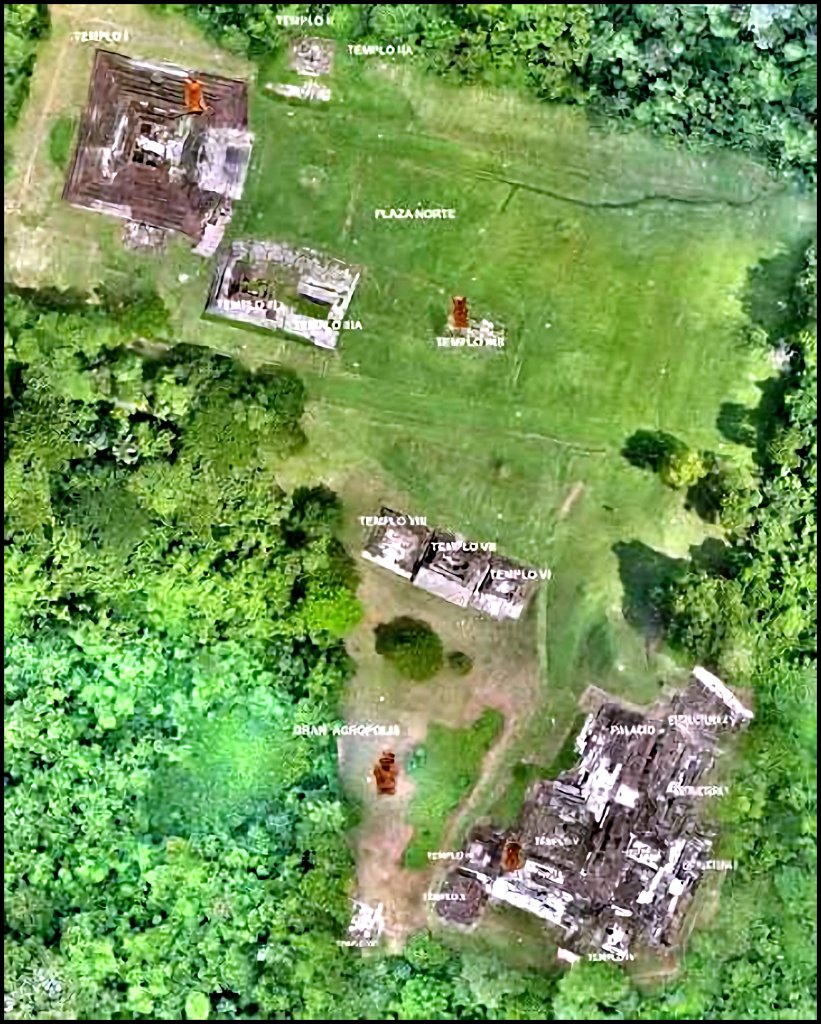
Aerial photograph of Comalcalco’s Acropolis
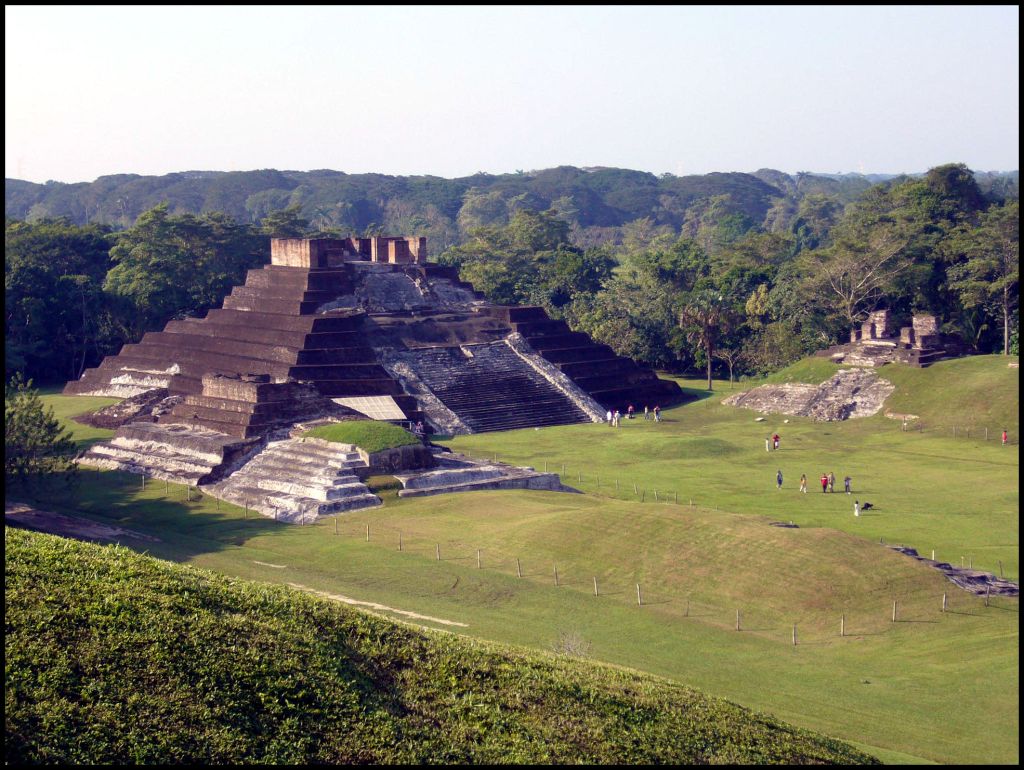
Many smaller pyramids and mounds have not been excavated.
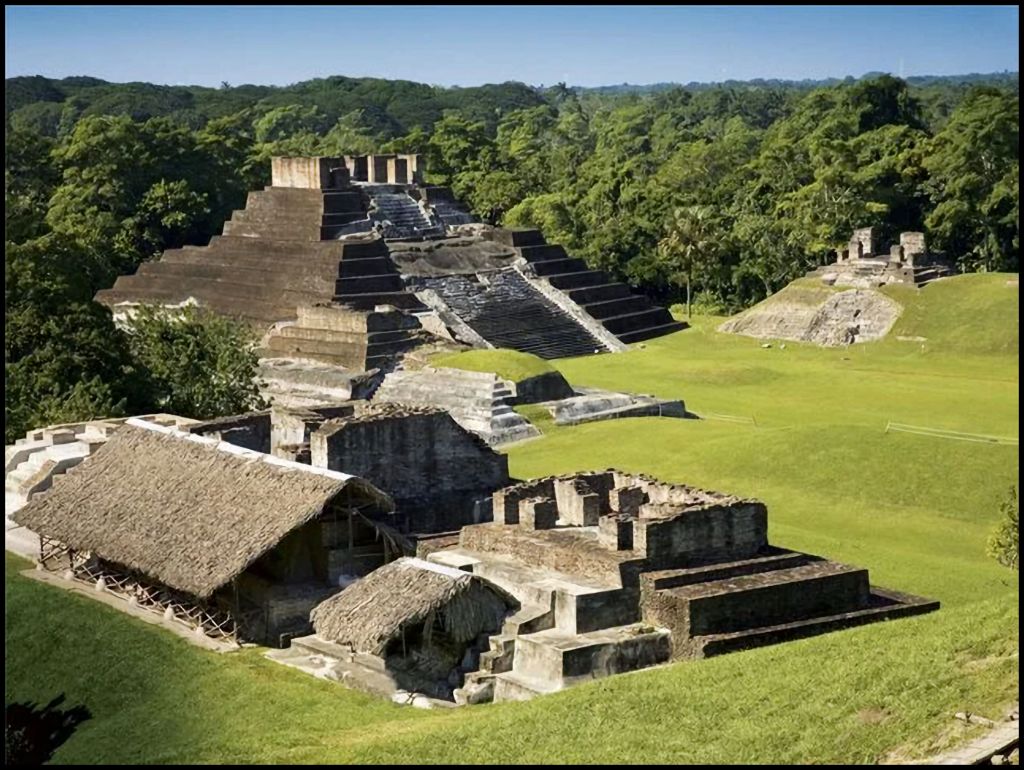
The thatched roofs cover on-going archaeological work.
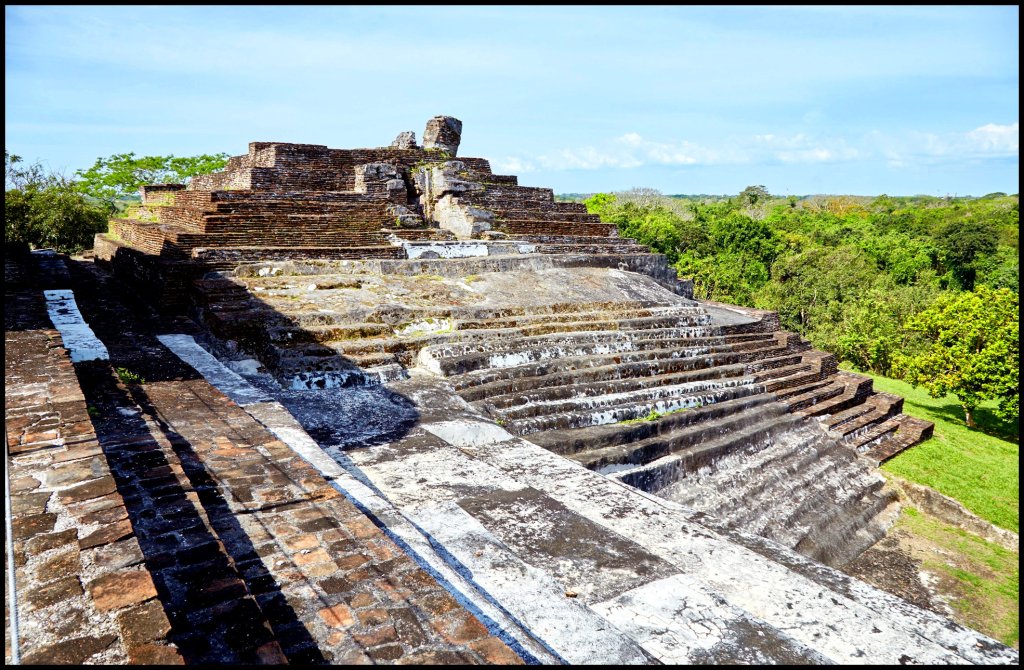
The terraces of the public buildings were finished with a form of concrete.
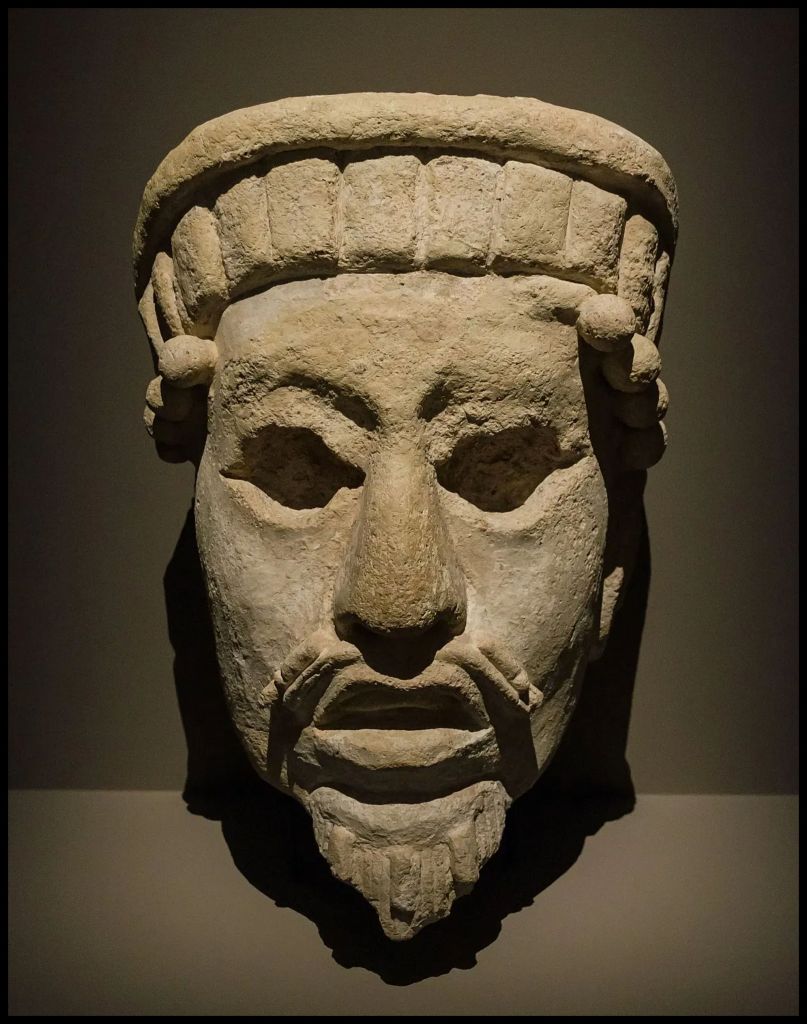
This bust is believed to be the first king of Comalcalco
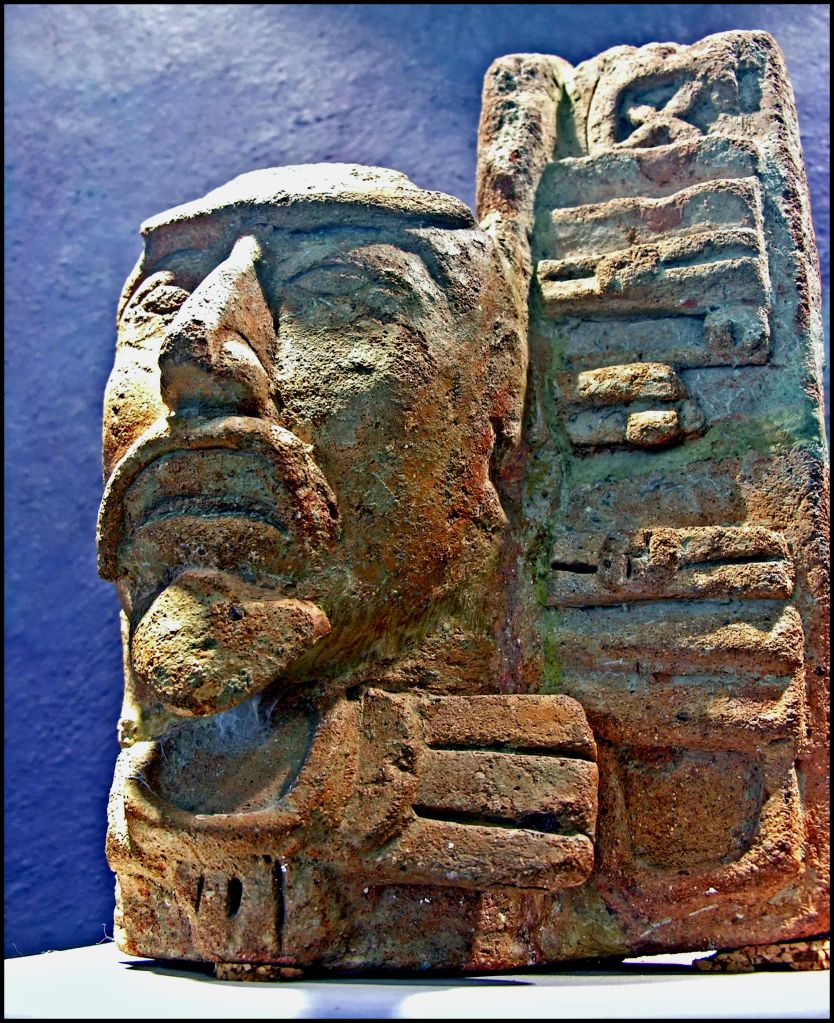
This is a terra-cotta architectural detail, portraying a prominent early leader of Comalcalco.
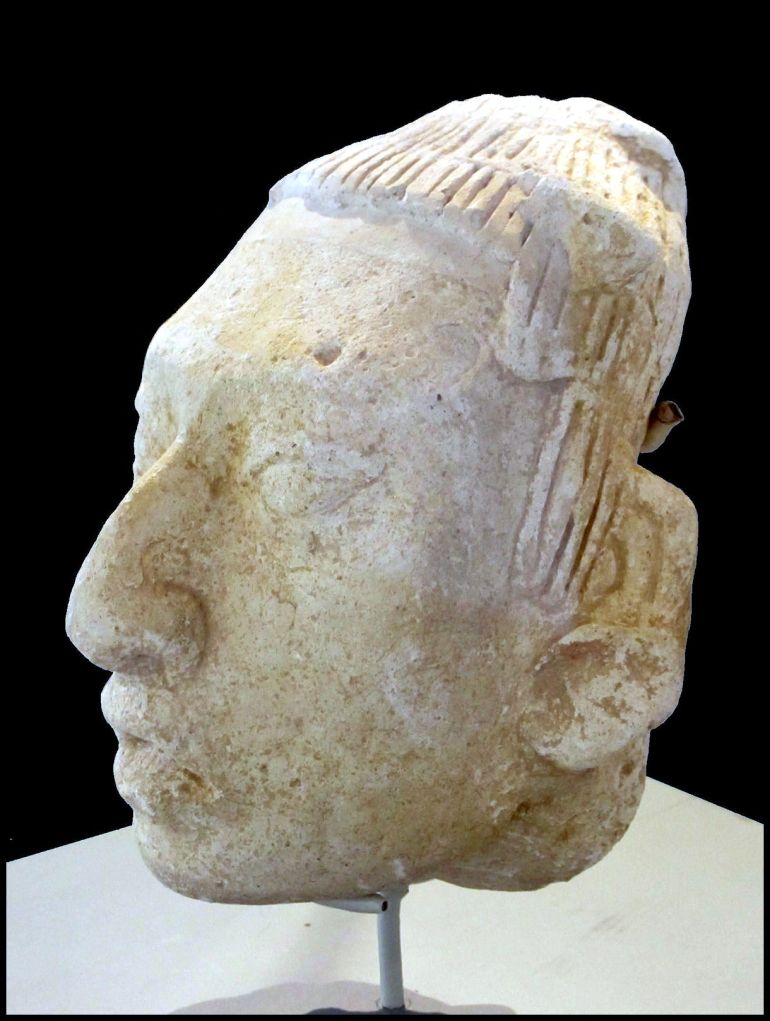
This is a terra cotta bust of a leader of Comalcalco around 750 AD. It appears to have been coated with either lime or kaolin clay. Note that the bust clearly portrays a man with Maya features. He is not wearing either a mustache or a beard. He does not wear the pillbox hats like the earlier personages.
The truth is out there, somewhere!

